

Table of Contents
- Importance of Environmental Testing
- Technological Advancements in Test Chambers
- Modular and Portable Solutions
- Integration of IoT and Big Data
- Market Growth and Industry Demand
- Case Studies in Innovative Testing
- Conclusion
In today’s rapidly evolving technology markets, the reliability of products under a variety of conditions is a non-negotiable benchmark for quality. Manufacturers need assurance that products will perform reliably whether exposed to intense heat, biting cold, or fluctuating humidity, through environmental temperature test chamber and on-site customer visits. Rigorous testing in controlled environments is instrumental not only for regulatory compliance but also for maintaining brand reputation and customer trust. By identifying vulnerabilities early, manufacturers can mitigate costly recalls and improve safety and customer satisfaction. This is particularly vital in industries such as automotive, aerospace, electronics, and pharmaceuticals, where a single failure can jeopardize user safety and corporate credibility.
Importance of Environmental Testing
Environmental reliability testing confirms that all product components can endure the pressures of their designated environments over time. Without it, manufacturers risk shipping products that might fail during normal operation or under environmental stress. This testing dramatically reduces after-market failures and warranty claims while bolstering brand loyalty and industry reputation. In high-stakes fields, rigorous environmental simulation is necessary to meet international regulatory standards and certifications, fostering broader market access and consumer confidence.
Beyond direct performance validation, environmental stress testing offers valuable insights for product design improvements. Engineers can pinpoint which components are most likely to fail under specific environmental loads, enabling the refinement of weak points and yielding insights that shape future product generations. Furthermore, organizations that develop robust testing protocols help create a culture of quality and accountability across their R&D, manufacturing, and supply chain teams. This approach not only prepares products for real-world challenges but also influences customer perceptions regarding overall product dependability and corporate transparency, which can translate into greater business opportunities and market expansion.
Technological Advancements in Test Chambers
Recent advancements in environmental test chambers have transformed them into high-precision instruments optimized for efficiency, reliability, and safety. Newer chambers can achieve rapid temperature shifts (up to 10°C per minute), thereby shortening test cycles and increasing throughput in manufacturing operations. Enhanced energy-efficiency features, such as more effective insulation and adaptive control systems, are enabling the maintenance of performance standards while lowering operating costs. These advancements not only improve accuracy and repeatability but also ensure safer working environments for lab technicians, thanks to innovations such as improved air filtration and emergency shutdown systems.
Today’s test chambers are also increasingly integrated with user-friendly digital interfaces, offering more intuitive operation and easier test scheduling for teams. Remote monitoring features, advanced scheduling tools, and onboard diagnostics are now becoming standard, helping organizations maximize uptime and respond quickly to technical anomalies. This digital transition makes these tools accessible to a broader range of users, including smaller engineering teams, and speeds up the process from prototype to market-ready product.
Modular and Portable Solutions
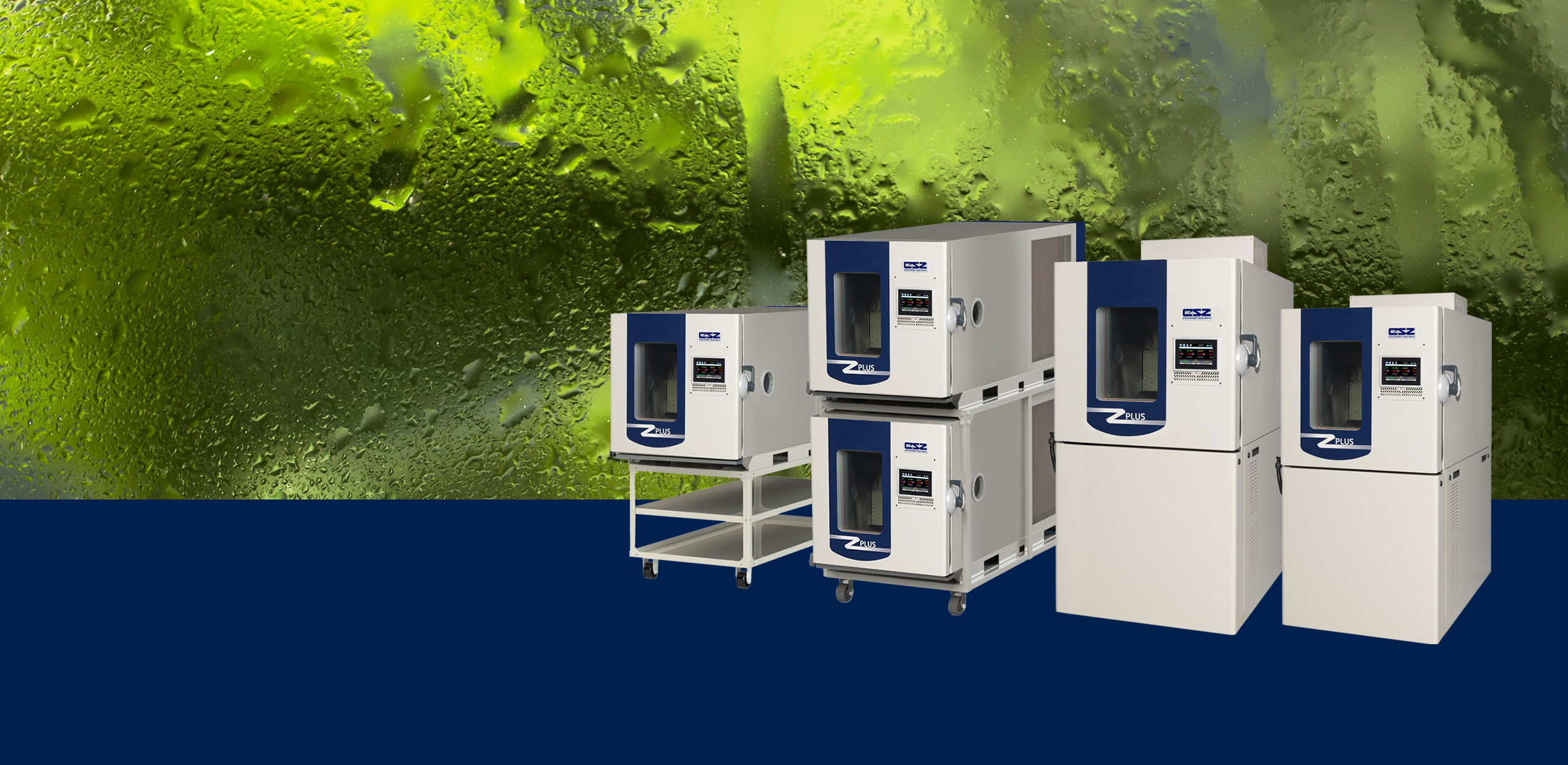
The trend toward flexible, scalable testing environments has led to the rise of modular and benchtop environmental chambers. These systems are particularly useful for R&D labs or startups that may lack the space or budget to install large-scale test environments. Modular chambers allow teams to expand their testing capabilities as business needs grow, while portable versions support on-site or remote product validation. This degree of flexibility is increasingly seen as foundational for agile development practices, enabling frequent prototyping and iterative improvements without extensive infrastructure investment.
Additionally, modularity allows enterprises to tailor solutions to their specific workflows. Teams can select from custom add-ons, such as vibration modules or specialized humidity controls, to mimic precise environmental scenarios unique to their sector. By allowing for such tailored simulation options, manufacturers can be confident that test results mirror the actual field conditions their products will encounter once deployed. This adaptability not only reduces costs but also enables continuous product optimization in line with rapidly evolving industry requirements.
Integration of IoT and Big Data
Modern test chambers are progressively incorporating the latest digital technologies through IoT integration and big data analytics. IoT-enabled devices provide continuous, real-time monitoring and can instantly alert teams to anomalies or deviations from test protocols. Data from multiple sensors can be consolidated and analyzed remotely, uncovering critical trends and reducing both human error and equipment downtime. This smart connectivity allows engineers to optimize testing protocols, shorten product development cycles, and bring reliable products to market more quickly.
With the influx of big data, manufacturers can look beyond basic test results to uncover hidden patterns that might otherwise go unnoticed. Predictive analytics derived from previous test runs can guide new design iterations, minimize unnecessary testing, and shorten time-to-market. As IoT-connected chambers become increasingly standard, they will not only deliver significant operational efficiencies but also enhance audit and compliance traceability, boosting accountability throughout a product’s lifecycle.
Market Growth and Industry Demand
The global market for environmental test chambers is on a strong trajectory, forecasted to increase from USD 1.35 billion in 2025 to USD 1.66 billion by 2033, at a compound annual growth rate (CAGR) of 2.62 percent. This growth is fueled by the ever-increasing need for quality validation and safety assurance across all technologically intensive industries. As products become more intricate and operate in more aggressive environments, manufacturers must invest in more rigorous, comprehensive testing regimes. The demand is further amplified by strict regulatory requirements, with governments and international bodies mandating higher safety and durability standards.
Emerging industries, such as renewable energy, electric vehicles, and advanced medical devices, present unique challenges and opportunities for expanding the scope and sophistication of environmental testing. As new materials and complex electronics introduce additional performance requirements, the universe of environmental testing grows broader and deeper. Forward-thinking manufacturers invest in expanding in-house capabilities or establishing strategic partnerships with specialist labs to keep up with changing regulations and customer expectations. This commitment is essential to thriving in markets where the cost of failure can have consequences far beyond the balance sheet.
Case Studies in Innovative Testing
Leading manufacturers are continuously investing in advanced testing methodologies. For example, Daikin Applied is dedicating $163 million to its new research and development facility in Plymouth, Minnesota, designed to replicate the immense demands of hyperscale environments. Facilities like this lead to product innovation by enabling extensive simulation of extreme conditions. These investments mark a strong industry commitment to product reliability and quality, helping set new benchmarks for environmental testing worldwide. Another example comes from the electronics sector, where multinational firms have implemented accelerated life-testing protocols to replicate decades of wear in just a few months. By leveraging the enhanced capabilities of new test chambers, they can deliver products that meet greater standards for longevity and safety, even in geographically diverse markets. These real-world applications demonstrate the direct correlation between cutting-edge testing strategies and product leadership on a global scale.
Conclusion
Environmental test chambers have cemented their place at the heart of modern product development and quality control. With ongoing innovations in chamber technology, modularity, and data analytics, businesses can more efficiently, safely, and thoroughly evaluate products before release. As the market continues to thrive and technologies advance, the role of environmental testing in ensuring both the reliability and market competitiveness of products will only grow in significance. As the technology landscape continues to evolve, manufacturers who prioritize advanced environmental testing will lead the way in pushing boundaries, delighting customers, and meeting increasingly rigorous standards. The smart investment in environmental test chambers today ensures the solutions of tomorrow are robust, resilient, and ready to meet the demands of the world’s most challenging environments.
