

What is the plan when the only fix a contractor will quote runs into six figures and the water is due back in September? That is the real question sitting under flood protection barriers madeira beach fl for anyone on a ground level slab about two feet above the crown of the road. Two seasons running, a few inches came in under the garage door and ran down the hallway, and the only proposal on the table was a full house elevation nobody in the family can fund this decade. Here is the argument, stated plainly: a removable barrier system stops those same two inches for a small fraction of an elevation bid, and all it asks in return is that somebody is home to put it up. That trade is worth understanding before anyone signs anything.
Two Inches Of Water Costs More Than It Sounds
Two inches sounds survivable. It is not, at least not on the repair estimate. Water goes where the house lets it, so a slab home takes it through the garage door track and the front threshold, and if the yard drains slow, the back slider too. Say the hallway and two bedrooms get wet. Baseboard and the bottom two feet of drywall come out, the pad under the carpet is gone, the hollow core doors swell, and in an illustrative scenario that lands somewhere between $9,000 and $14,000 once the vanity cabinet and the closet shelving are counted. What turns up on this street season after season is not catastrophic loss. It is the same mid four figure repair twice a decade, plus a week in a hotel and a month of arguing with an adjuster.
Three Ways Ground Level Homes Keep Water Out
The first approach keeps water outside the envelope entirely, using door and window seals plus removable panels fitted to the exact openings that leak. The second accepts a wet floor and plans around it: tile instead of carpet, vents that let water move in and back out without blowing a wall off its plate, nothing valuable stored below knee height. The third raises the living floor above the base flood elevation and ends the argument permanently. Most comparisons a homeowner is handed skip straight from the second to the third, which is how a $9,000 problem turns into a $180,000 conversation.
Think about it the way a family in Buffalo thinks about winter. They can buy a second vehicle built for snow, or they can bolt four snow tires onto the car already in the driveway every November and pull them off in April. One choice is capital. The other is a chore with a calendar reminder attached. Neither is wrong, and the household budget usually decides which one happens.
Elevation Solves Everything And Costs Everything
Elevation genuinely works, and no barrier matches it. Lift the living floor above the flood elevation and surge stops being a repair line item. The bill is the problem. A six figure bid on a slab house is not padding, because the number carries structural engineering, a permit set, utility disconnection and reconnection, new stairs and landings, months of temporary housing, and a foundation system that has to be designed for this specific lot. Timelines run in months rather than weeks, and the house is unlivable for a stretch of it.
Mitigation grant programs do exist, and some Pinellas households have used them. Eligibility rules, match requirements and waiting lists vary by jurisdiction and change between funding cycles, so ask the county floodplain office directly instead of trusting what a neighbor was told back in 2019. Get the answer in writing before it becomes part of the budget.
Barriers Only Work If Someone Deploys Them
A barrier protects property. It has never protected a person.
That distinction matters more than any spec sheet in the brochure. The National Weather Service is direct about it: when you are told to evacuate, move to higher ground immediately, because 6 inches of moving water can knock a person off their feet, 12 inches can float a car, and 18 inches can carry away large vehicles. Never walk or drive through floodwater. Deploy early, leave when the order comes, and do not go back for the panels.
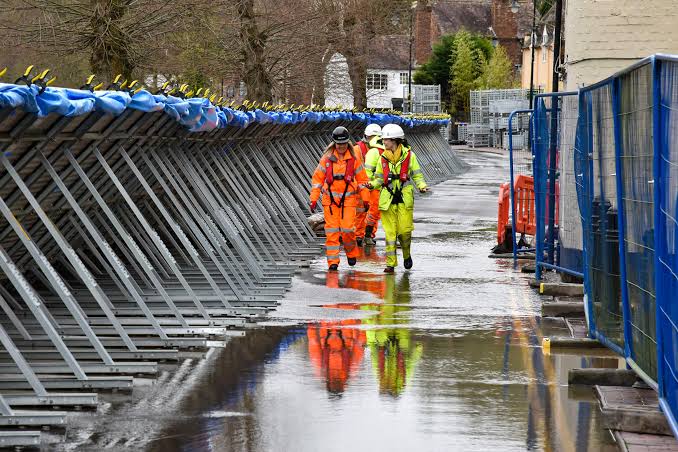
Custom fitted barriers are not sandbags. They stow flat against a garage wall, they go up in well under an hour once someone has done it twice, and they need a physically present human when the forecast turns. That last part is the whole risk, and it is where seasonal residents and rental owners get caught, because a barrier still sitting on the shelf during a king tide is money that bought nothing. Storage is its own small headache, the same headache as the holiday bins that take over every Florida garage by October. Back to the point: measure the wall space before ordering, and settle in advance who drives over and sets the panels when a system is three days out.
Ask How Insurance And Permits Change The Math
Flood premiums belong in this comparison, not off to the side of it. NerdWallet ran the Florida numbers in August 2026 and put the average National Flood Insurance Program policy in the state at $938 a year, with coastal zones averaging $2,413 annually because of hurricane driven surge risk. Against a barrier package, that annual figure is the honest benchmark, since one avoided interior claim can outrun several years of premium. Whether any specific mitigation measure moves a premium depends on the rating rules that apply to your property, so put the question to your agent and ask for the answer in writing.
Permitting cuts the same way. Temporary, removable protection is treated very differently from permanent structural alteration in most Florida municipalities, but the specifics are local and they change, so confirm with the building department rather than assuming. An installer who works in high velocity hurricane zones every week will usually know which questions the local reviewer asks first.
Pick The Layer You Can Actually Deploy
Homeowners weighing flood protection barriers madeira beach fl installers fit against a full elevation bid usually discover the answer is not either or. It is sequencing. Barriers and rated openings buy a decade of dry hallways while the elevation money either materializes or does not, and the house is protected the whole time instead of only after the last check clears. The best flood plan is the one a household can afford and will actually deploy. Price both, ask what each one demands of you the week a storm forms, and pick the layer that still gets set up when everyone is tired and the forecast is ugly.
