

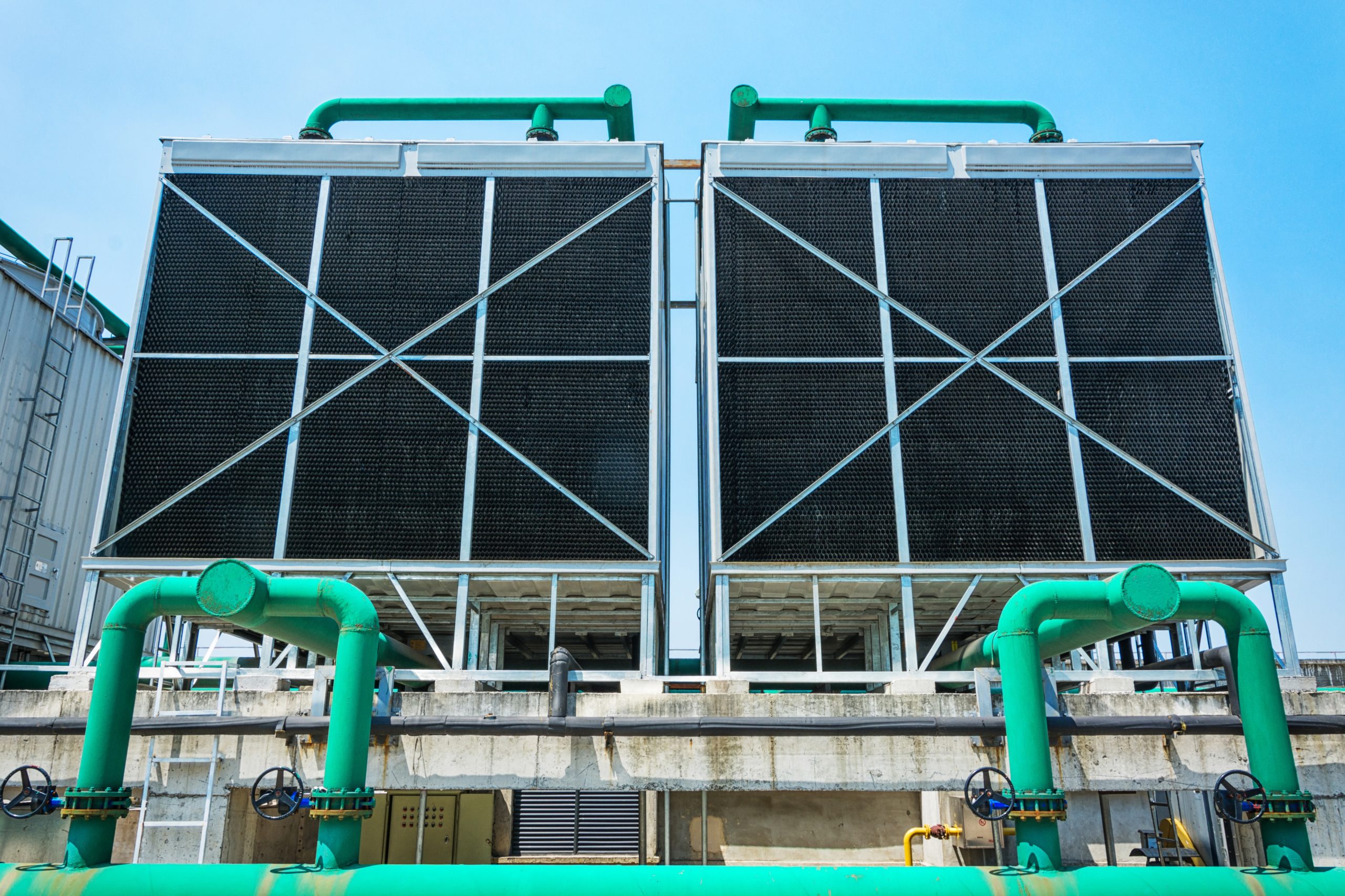
Cooling towers play a vital role in maintaining the efficiency of commercial, industrial, institutional, and manufacturing cooling systems. By removing excess heat from equipment and processes, they help ensure stable operations while lessening energy consumption. However, because cooling towers constantly circulate water, they are vulnerable to scale buildup and biological growth. Without proper treatment, these issues can gradually reduce performance and shorten the lifespan of critical equipment.
Implementing a comprehensive cooling tower treatment program helps protect the entire system from avoidable damage. By maintaining water quality and addressing potential problems before they become serious, businesses can improve reliability and extend the life of their cooling equipment.
Preventing Scale Formation
One of the primary goals of cooling tower treatment is preventing scale from forming on heat exchange surfaces. As water evaporates during the cooling process, dissolved minerals become more concentrated. Over time, these minerals can harden into scale deposits that coat pipes and other system components.
Even a thin layer of scale can significantly reduce heat transfer efficiency. When heat cannot move effectively through the system, equipment must work harder to maintain the desired temperature, leading to higher energy consumption and increased wear on mechanical components.
Water treatment programs use carefully selected chemicals and water management strategies to control mineral concentrations and reduce scale formation. By keeping heat transfer surfaces clean, facilities can maintain efficient cooling performance while lowering operating costs.
Minimizing Corrosion Damage
Corrosion is another common threat that can affect cooling tower systems over time. Water, oxygen, dissolved salts, and varying pH levels can gradually attack metal surfaces, causing pipes, pumps, condensers, and cooling tower components to deteriorate. If left untreated, corrosion can lead to leaks, weakened structural integrity, equipment failures, and expensive repairs. In severe cases, damaged components may require complete replacement long before reaching their expected service life.
A proper cooling tower treatment program includes corrosion inhibitors and regular water chemistry monitoring to create protective conditions within the system. Maintaining balanced water quality helps minimize metal loss and preserves the integrity of valuable equipment, supporting reliable operation for years to come.
Controlling Biological Growth
Cooling towers provide warm, moist environments that encourage the growth of bacteria, algae, fungi, and other microorganisms. Without proper treatment, biological contaminants can quickly multiply and form biofilms that coat internal system surfaces.
Biofilm creates several challenges. It reduces heat transfer efficiency, restricts water flow, contributes to under-deposit corrosion, and makes equipment more difficult to clean. Certain bacteria, including Legionella, may also present health risks if not properly managed.
Routine cooling tower treatment incorporates appropriate biocides and monitoring procedures to control microbial activity. Regular cleaning and water quality testing help minimize biological growth while supporting both system performance and occupant safety.
Extending Equipment Service Life
Cooling tower systems represent a significant investment, making long-term equipment protection a priority for facility owners and managers. Preventive treatment helps lessen the cumulative effects of scale, corrosion, and biological contamination that gradually shorten equipment lifespan.
By maintaining clean system components and balanced water chemistry, cooling tower treatment reduces unnecessary stress on pumps, valves, piping, heat exchangers, and other critical assets. Equipment that operates under optimal conditions typically requires fewer repairs and experiences less frequent failures throughout its service life. Extending equipment longevity also allows businesses to delay costly capital replacements, improving the overall return on investment for their cooling infrastructure.
Effective cooling tower treatment is essential for protecting your system from scale, corrosion, and biological growth while supporting reliable, energy-efficient performance over the long term. Moreover, a proactive treatment program not only helps lower maintenance costs and extend equipment life but also minimizes the risk of unexpected downtime that can disrupt operations.
If you want to get the most from your cooling tower and ensure it continues to perform at its best, it’s worth reaching out to experienced cooling tower treatment professionals, such as those from Blue Earth Products. They can assess your system, recommend the right treatment approach, provide ongoing support, and help keep your equipment operating efficiently for years to come.
