

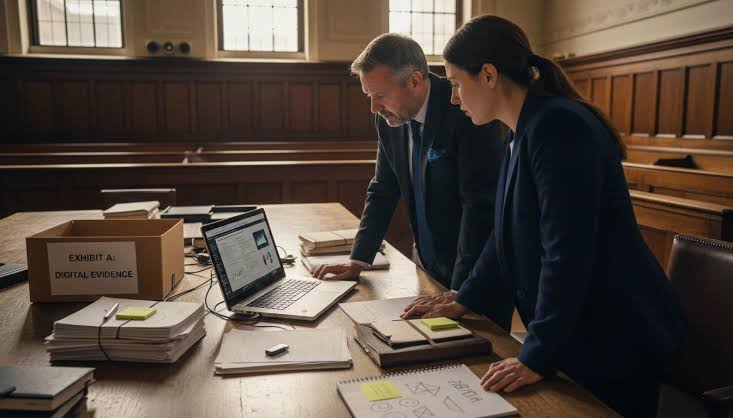
In Cleveland, serious internet-related criminal allegations can place a person’s reputation, career, and future at risk before the case reaches a courtroom. Federal and Ohio authorities investigate online offenses, and the evidence presented can be difficult to understand without legal guidance. Someone accused of wrongdoing might recognize an email address or device mentioned in a police report yet have no idea how investigators reached their conclusions. That uncertainty becomes especially troubling when prosecutors rely on technical findings to support serious charges. Understanding what the prosecution must prove is an important part of preparing a defense.
An aggressive child pornography charges lawyer can help Cleveland residents examine the allegations, understand their rights, and identify concerns that deserve closer attention. Early legal advice also helps defendants avoid statements or decisions that could complicate their position. Serious internet-based criminal cases require more than accepting an investigator’s interpretation of electronic activity. Every accusation deserves scrutiny, particularly when the consequences include imprisonment, registration requirements, and lasting damage to personal relationships.
How Initial Evidence Gets Reviewed
Investigators often reduce large collections of chats, downloads, searches, and storage records into brief reports. Defense counsel works backward through those summaries to inspect source records, access logs, file paths, and timestamps.
A lawyer also checks who had physical access to a device or account. Shared computers, family phones, repair access, workplace systems, and public networks can affect attribution. A file located on hardware does not establish who saved, opened, viewed, or transferred it.
How Warrants And Seizures Are Tested
Digital searches begin with the warrant, affidavit, and authorized seizure scope. Counsel compares those limits with the devices, folders, accounts, and records investigators actually examined.
A search that extends beyond judicial authorization creates a legal issue for the defense. Counsel also examines seizure records, extraction dates, preservation steps, and documentation showing who handled the evidence.
How Metadata And Forensic Images Are Checked
Metadata can reveal creation dates, edits, downloads, transfers, and device information. Those details require context because copying, syncing, extraction, and system changes can affect recorded times.
Forensic imaging creates a working copy of seized data for examination. Counsel reviews whether the image was complete and verified, then checks hash records and preservation notes. A discrepancy between the source device and extracted material can affect evidentiary reliability.
How Deleted Data Is Evaluated
Deleted data requires separate review because recovery methods can produce fragments without restoring the original context. Counsel examines how investigators recovered the material, which tool produced it, and whether another review verified the result.
Compare recovered fragments with file-system records, application data, and known user activity. That comparison helps determine whether a recovered item came from intentional use, automatic processes, or incomplete remnants.
How Cloud And Network Records Are Interpreted
Cloud evidence includes stored files, account records, messaging data, backups, and access histories. Counsel examines account identifiers, login records, internet protocol logs, and provider returns before linking activity to one person.
Network records can show that an internet connection was active at a certain time. They do not automatically identify the individual who used that connection. Defense counsel compares router, provider, device, and session records to test the attribution.
How Experts Examine Technical Findings
Independent technical review can test forensic methods, deleted-file recovery, extraction results, and laboratory notes. An expert can identify processing errors or explain limits that a short report does not reveal.
Counsel then turns those findings into focused questions for depositions, hearings, or trial testimony. Jurors need to know what a record proves, what it cannot prove, and which conclusions depend on disputed assumptions.
How Intent Is Separated From Technical Activity
Prosecutors can rely on searches, file names, folders, previews, downloads, or sharing records when arguing knowledge or intent. Defense counsel examines each item alongside user history, device settings, and account activity.
Automatic backups, cached files, shared devices, and unexpected downloads can create records without proving deliberate conduct. The central question remains whether the evidence establishes knowing action beyond a reasonable doubt.
How Technical Evidence Is Presented At Trial
Technical findings must connect clearly to the legal questions before the court. Counsel can use timelines, device histories, and focused testimony to show where records support a claim.
Clear presentation also separates facts from assumptions about user behavior. That distinction helps jurors evaluate technical evidence without treating detail as proof of every disputed point.
Conclusion
Serious digital evidence cases require careful review of collection methods, attribution, timestamps, forensic images, cloud records, and network activity. Counsel should trace important conclusions back to underlying records rather than rely on summaries alone. A practical next step is to organize each disputed fact with its source, access history, and preservation record. That process gives counsel a clear basis to challenge unsupported conclusions before trial and test whether each claimed fact is properly supported.
