

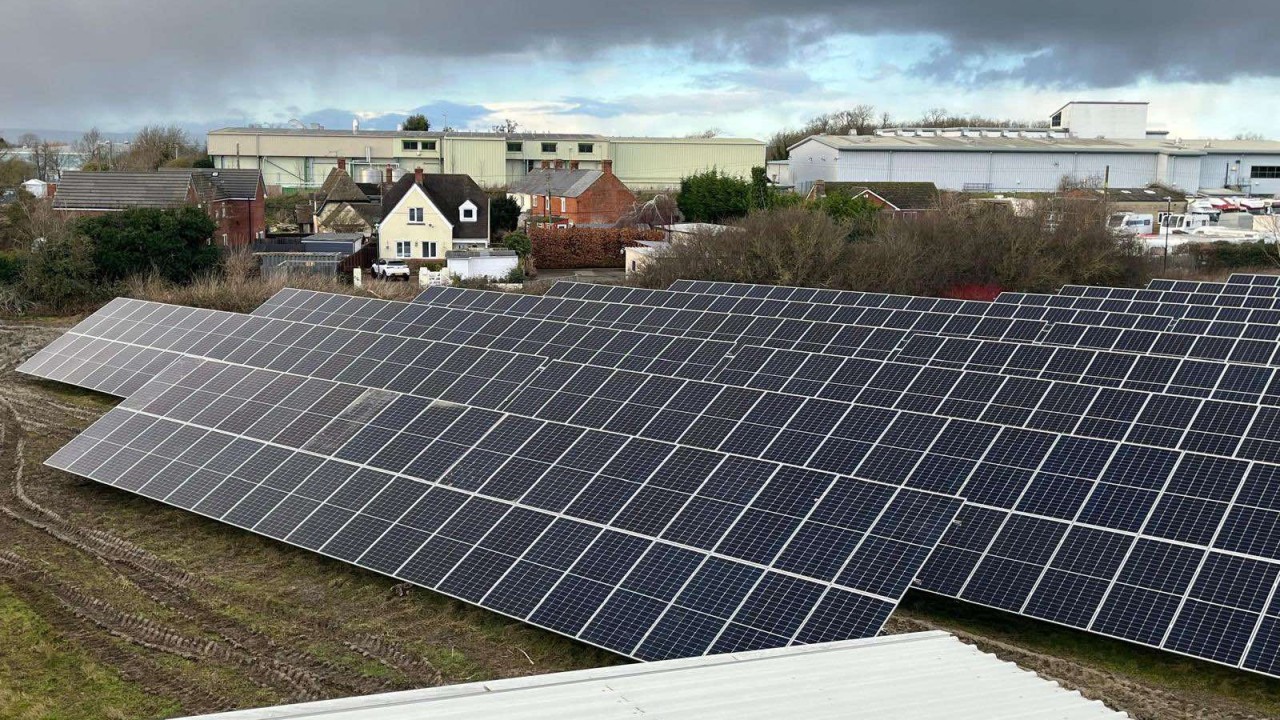
Nineteen years. That is the age of the shingle roof sitting under a surprising number of solar quotes right now, and it is the number roof installers pittsburgh pa wish somebody had raised before the array contract got signed. The argument here is blunt: on a roof that old, replace the shingles first, then mount the panels once. A 7.2 kilowatt system on a 1,600 square foot house is a twenty-five year commitment bolted onto a covering with maybe three winters left in it. Those two timelines do not match. The mismatch has a price, and the homeowner is the one who pays it.
Arrays Get Sold Before The Deck Gets Checked
Solar consultations run on production estimates and monthly payments. The rep models sun angles, shading and a utility rate curve, then prints a payback year that looks great. What rarely appears on that sheet is the age of the thing the racking bolts into. Job after job, the same gap turns up: a homeowner who can quote their kilowatt-hour offset to one decimal place and has never once been told how many years of granules are left overhead. A Boston Solar rundown published in April 2026 put the sensible threshold at 15 to 20 years of remaining roof life before panels go up, since architectural shingles last 20 to 30 years in total while an array keeps producing for 25 to 30. Nineteen years in, an architectural roof sits at the wrong end of that band (a few do last longer, and good for them, but those are not the ones to plan around). The racking does not care how good the payback math looks.
Removal And Reset Costs Land On Homeowners
The re-roof does not disappear. It just gets more complicated and more expensive. When the shingles finally fail, every panel, rail and mounting foot has to come off, get stacked somewhere safe, and go back up once the tear-off is done. That means a second mobilization for the solar crew, a fresh set of roof penetrations to flash, and a scheduling knot between two trades who each need the other to finish first. Say the array is eighteen panels on a straightforward gable: a removal and reset in the $2,500 to $6,000 range is a reasonable planning number to hold in your head, and it buys zero additional watts. Put that beside a roof you were going to pay for anyway and the sequencing mistake has already cost real money. If the roof has more than fifteen years left, mount the array now and stop worrying about it. If it is under ten, tear off first, and the seasons in between are a judgment call about how long you want to gamble on a covering you already know is aging.
Ask The Panel Company These Roof Questions
A good solar rep answers all of these without flinching. A rep who changes the subject has answered them too, just not in the way you were hoping. Ask at the first appointment, before any deposit moves, and write the answers down, because the person quoting you in March is often not the person installing in June.
- How old is my roof, and how did you determine that? A good answer names the shingle type and a documented install date, not a guess made from the driveway.
- Who pays to remove and reset the array if the roof is replaced in five years? A good answer is a written dollar figure or a named clause, not a shrug.
- Does mounting panels affect my shingle manufacturer’s warranty? A good answer names the manufacturer and the flashing method your crew uses.
- Will you coordinate penetration and flashing details with my roofing contractor? A good answer includes a phone call before installation day, not after it.
Re Roof First Then Mount The Array
One thing to settle before anybody climbs anything: this is not an inspection you do yourself. Solar modules stay energized in daylight even with the inverter switched off, so never touch array wiring for any reason. Never walk a roof to look at racking or flashing either, because CDC and NIOSH researchers tracking construction-worker injuries reported that ladder falls accounted for 81% of fall injuries treated in emergency departments, and those were trained people in harnesses. Detaching, re-flashing and remounting panels is licensed electrical and roofing work.
The sequence that works is dull, and it saves the most money. Get the roof assessed first, replace it if it is inside a decade of the end, then hand the solar crew a fresh deck with proper flashing details and twenty years of life under it. The roof installers Pittsburgh PA homeowners call for a free estimate can measure the remaining life in an afternoon, and that single number decides the order of operations. Panels bolted onto a nineteen-year-old roof are not a bargain. They are a second invoice with a delay built into it.
