

Hiking trails and greenways bring people outdoors, connect neighborhoods to green spaces, and give communities a shared place to walk, run, and unwind. Behind every well-used trail is a surprising amount of planning and construction work that most visitors never think about.
From the surface under their feet to the small bridge they cross without a second thought, each piece of infrastructure serves a purpose. This article looks at the components that make up a functional, welcoming trail system and what goes into bringing them to life.
Trail Surfacing and Material Selection
The surface of a trail affects everything from how accessible it feels to how long it holds up under regular use. Some trails use compacted gravel, others use natural dirt paths, and paved sections often appear near urban greenways where accessibility is a priority. Choosing the right surface depends on the surrounding terrain, expected foot traffic, nearby drainage patterns, and how the trail connects to roads or parking areas.
Civil engineering firms and landscape contractors are the professionals most commonly involved in planning and installing these surfaces.
Signage and Wayfinding Systems
Clear signage helps visitors understand where they are and where the trail leads next.
Wayfinding systems often include distance markers, directional signs, trail maps, and informational panels about the surrounding area. Without this kind of guidance, even well-built trails can feel confusing or unwelcoming to first-time visitors. Sign fabrication companies and outdoor recreation planning firms typically handle the design and placement of these systems.
Timber Bridges and Water Crossings
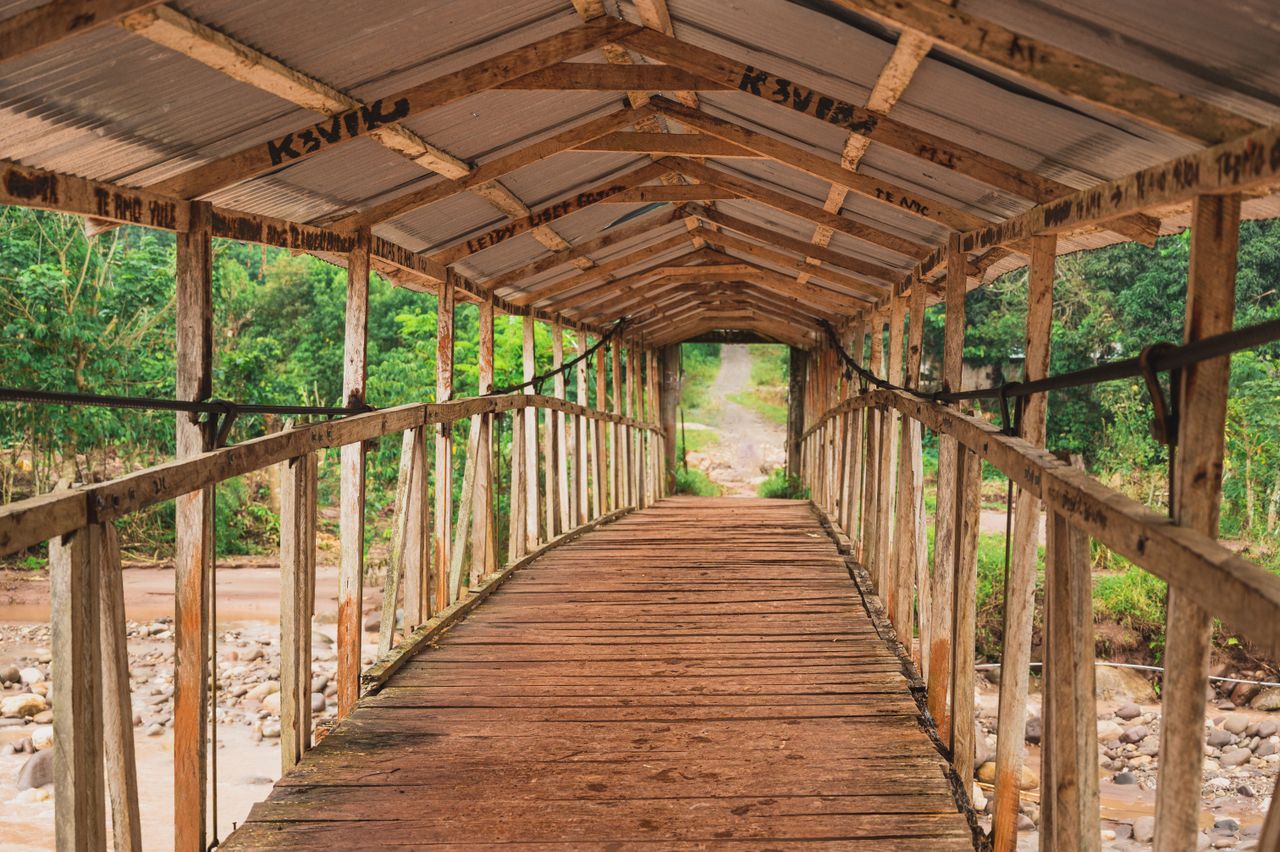
Timber bridges are a common solution for helping hikers cross streams or wetland sections without disturbing the natural landscape underneath. These structures are valued because they use natural materials suited to wooded surroundings while still providing a stable, safe crossing point.
The quality of a timber bridge depends heavily on the wood treatment used and how well the structure is engineered to handle weather exposure over time. Companies that specialize in timber bridge construction usually work alongside park departments or trail development organizations to design crossings suited to the specific site conditions.
Erosion Control Measures
Erosion is one of the biggest ongoing challenges for any outdoor trail system. Water runoff, foot traffic, seasonal weather changes, and steep slope grades can gradually wear down trail edges and create unsafe conditions.
Erosion control often involves reinforcing vulnerable areas with natural or engineered materials that hold soil in place.
Environmental consulting firms and specialty erosion control contractors are frequently brought in for this type of work, particularly in areas with steep grades or frequent rainfall.
Boardwalks for Wetland Crossings
In areas where trails pass through wetlands or marshy ground, boardwalks offer a way to keep visitors on a stable, dry path. These elevated wooden or composite structures protect sensitive ecosystems from foot traffic while still allowing people to experience the area up close.
Boardwalks require careful planning around drainage and moisture exposure since they sit in consistently wet environments. Outdoor structure fabricators and environmental construction firms are the usual providers for this type of installation.
Trailhead Facilities and Parking
A trailhead is often the first part of a trail system visitors see, and its design plays a role in how welcoming the space feels.
Parking areas, entry signage, basic amenities, and clear pathways into the trail all fall under trailhead planning. These spaces need to accommodate varying numbers of visitors depending on the season and day of the week. Municipal planning departments and site development contractors are typically responsible for designing and building trailhead facilities.
Drainage and Culvert Systems
Proper drainage keeps trails from flooding or eroding after heavy rain. Culverts, in particular, allow water to pass underneath a trail rather than pooling on the surface or washing it out. This kind of infrastructure is easy to overlook because it sits below ground, yet it plays a major role in keeping a trail usable year round.
Civil engineering firms and drainage specialists are commonly involved in assessing and installing these systems.
Seating and Rest Areas
Rest areas give hikers a place to pause, especially on longer trails or ones with elevation changes. These spaces often include benches, small shelters, picnic tables, or open clearings positioned at points along the route.
Placement matters here since rest areas need to balance visibility with a sense of quiet separation from the main path. Outdoor furniture manufacturers and park equipment suppliers are common sources for these installations.
Fencing and Railings
Fencing and railings serve both a safety and guidance function along trails. Near steep drop-offs, water crossings, sensitive habitat areas, and erosion-prone slopes, railings help keep visitors on the intended path.
The materials used for fencing can vary depending on the surrounding environment and the level of protection needed.
Fence installation companies and outdoor infrastructure contractors typically handle this work for trail systems.
Lighting and Safety Features
Lighting becomes especially important for greenways used during early morning or evening hours.
Solar powered fixtures and low profile lighting are common choices since they minimize disruption to the natural surroundings while still improving visibility. Safety features can also include emergency call stations or reflective markers along less visible sections. Outdoor lighting specialists and municipal infrastructure teams are usually responsible for planning and installing these features.
Ongoing Maintenance Planning
Trail systems require consistent upkeep to remain safe and enjoyable for visitors. Maintenance can include clearing debris, repairing surface wear, inspecting structures like bridges and boardwalks, and monitoring drainage systems for blockages. Seasonal changes often dictate the type and frequency of maintenance needed throughout the year.
Parks departments and trail maintenance organizations generally oversee this ongoing work, often with support from volunteer groups in local communities.
Trail and greenway systems are made up of many smaller pieces working together, and each one contributes something meaningful to the overall experience. Understanding what goes into these spaces helps explain why some trails feel more thoughtfully built than others.
From the surface underfoot to the small bridge crossing a creek, every detail reflects careful planning suited to its environment. The next time you walk a well-maintained trail, there is a good chance a lot of quiet planning made that experience possible.
