

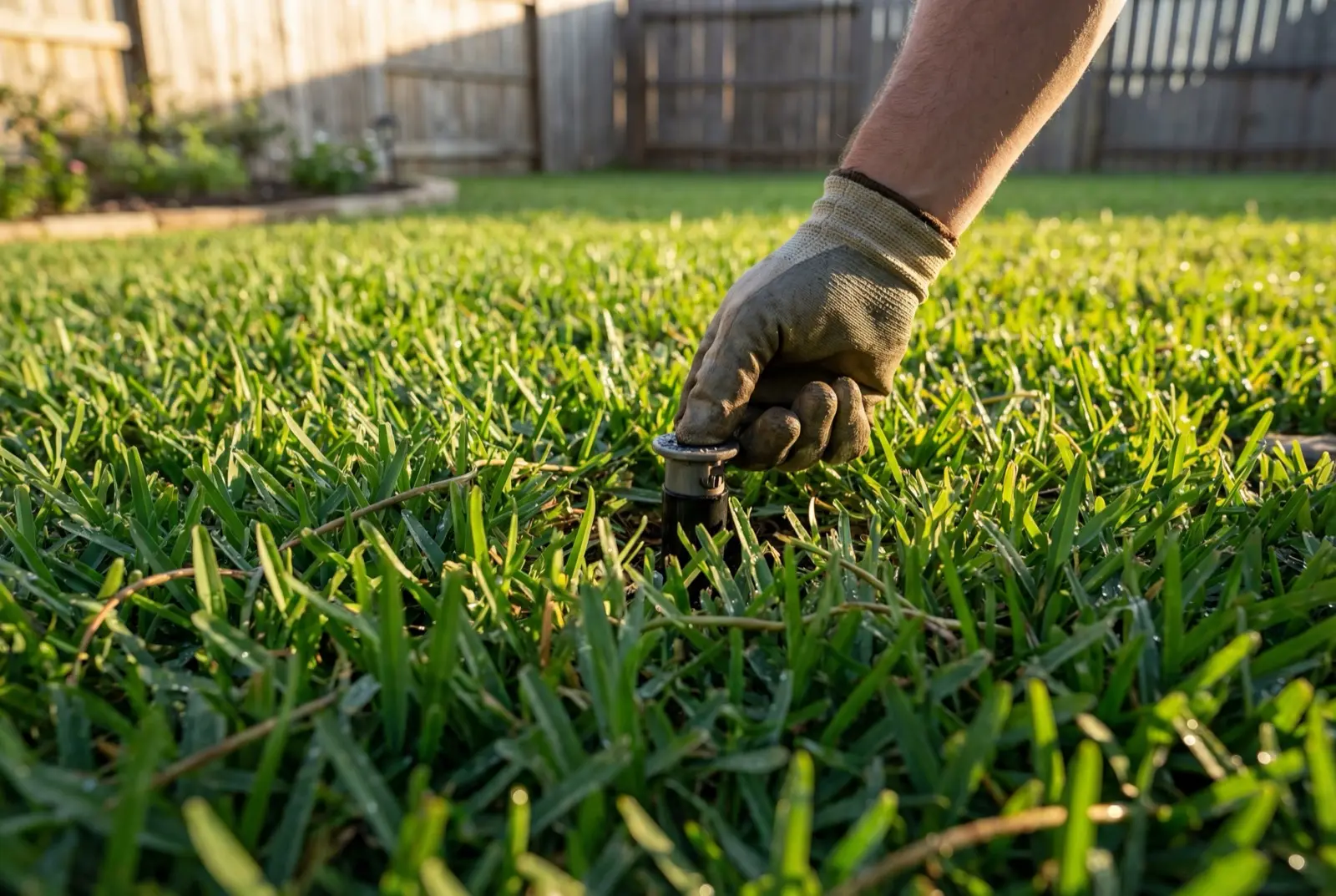
If the same shaded corner of your back lawn goes brown every August, the fungus is the symptom and the way the lawn gets cut is the cause. That is the blunt version, and after enough summers running a crew in Fairfield County I have stopped softening it. Homeowners cut short, cut with a dull blade, and set the irrigation clock for nine at night, then wonder why last year’s treatment did not hold. The patch comes back because the conditions that fed it never changed. It is also why a crew out for the tick control darien ct homeowners ask about in June keeps finding the same damp thatch layer that feeds disease two months later. Fix the habits and a treatment program finally has something to work with.
Cutting Short Invites Every Fungal Problem You Have
Cool season grass in a Darien back lawn wants to sit at three inches or better, and a yard carrying roughly forty percent afternoon shade wants the top of that range. Short grass has less blade to feed itself with and a shallower root system, and there is no canopy left to shade the crown, so the ground underneath dries slower after a wet night rather than faster. That is exactly the environment brown patch is looking for. As of July 2026, Penn State Extension describes brown patch as yellow rings or sunken patches of grass reaching up to 3 feet in diameter under humid conditions, which is about the size of the spot homeowners photograph and text me in the second week of August.
Raise the deck one notch. It is the cheapest disease control you will ever apply.
Dull Blades Tear Grass And Open Wounds
A sharp blade slices. A dull one tears, and the torn tip goes straw colored within a day, which is why a freshly cut lawn can look gray from the patio instead of green. Every ragged end is an open wound on a plant, and a wound sitting in warm humid air is where a fungal problem gets started. Sharpen twice a season if you cut your own grass (once in April and once around the Fourth of July is a habit worth stealing). Job after job, the lawns that hold their color through August are the ones cut with a blade somebody actually maintains.
Evening Watering Keeps Blades Wet Overnight
An irrigation clock set for nine at night is the single most common thing we change on a first visit. Grass that goes into the dark wet stays wet until the sun finally clears the tree line the next morning, and in a shaded yard that can be past ten o’clock. Call it twelve hours of leaf moisture, every night, straight through the humid stretch of the summer. Move the start time to four or five in the morning and the blades dry within an hour or two of sunrise.
A homeowner a few streets off the Post Road had a patch he had treated three years running. His clock ran at nine, his deck sat at two inches, and the damage always started in the same shaded corner. He moved the watering window to five in the morning and raised the mower, and the following August the spot held.
Thick Thatch Shelters Disease And Pests Alike
Thatch is the spongy layer of old stems and roots sitting between the green grass and the soil, and once it gets past half an inch it stops doing anything useful. Water sits in it and never fully clears, and fungus rides out the season down there waiting for the next warm humid week. Pests want the same thing the fungus wants, which is a layer that stays damp, so the shaded back corner is usually the worst spot on the property for both. Anyone working in that corner should check themselves, the kids, and the dog for ticks the same day, because that is where ticks wait.
Cool Season Lawn Problems And Their Cultural Corrections, An Illustrative Example Scenario
| Problem | Condition That Triggers It | Cultural Correction |
| Brown Patch Fungus | Shade plus overnight moisture and warm humidity | Raise mowing height to 3+ inches, water in morning only |
| Thatch Accumulation | Short mowing and poor decomposition from shade | Dethatch in fall, reduce shade if possible, aerate |
| Blade Damage and Stress | Dull mower blade and wet conditions | Sharpen blade before each season, mow when dry |
| Disease Recurrence | Same thatch and moisture conditions each season | Improve air circulation, adjust irrigation schedule |
Common Questions About Treating Recurring Patches
Why Does The Same Patch Come Back Every Year?
Because nothing about the conditions changed. A fungicide knocks down the active infection, but the shade and the overnight moisture are still sitting there waiting for the next humid stretch. What we see most often is a lawn that got treated correctly and then went right back to being mowed short and watered at night for another full season.
Can I Mow While A Patch Is Active?
Yes, as long as you wait until the grass is dry and bag the clippings while the patch is still spreading. Mowing a wet lawn moves spores across the yard on the deck and the tires. Rinse the underside of the mower when you finish and let it dry before the next cut.
How Long Until I See A Difference After Treatment?
Damage already done does not turn green again, so what you are watching for is the edge of the patch holding still instead of creeping outward. That usually shows within two to three weeks. Real recovery, meaning new grass filling the dead area back in, generally waits for cooler September nights or a fall overseeding.
Fixing Habits Makes Treatment Actually Hold
Treatment is the smaller half of this job. A disease control program that corrects the mowing height, the blade, the watering window and the thatch layer alongside a targeted application is what stops the August patches from coming back, and the same corrections make that corner of the yard a less comfortable place for pests, which is why the homeowners who book tick control darien ct services in the spring so often end up in a conversation about mower decks. Pick one habit this week and change it, then change the next one in the fall. Your lawn will tell you by next August whether it worked.
