

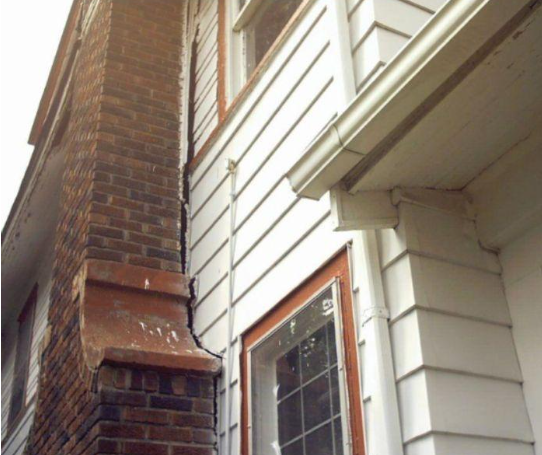
Pier and beam foundations are designed to support a structure above the ground using a system of piers, beams, and floor joists. This setup creates a crawl space beneath the structure and makes many foundation components easier to access. Even with those advantages, the support system can develop problems when soil shifts, water collects beneath the structure, or materials begin to weaken.
Pier and beam foundation repair in Battle Creek may become necessary when the supports beneath your structure shift, settle, weaken, or lose proper contact with the framing above. These problems can affect floor levels, doors, walls, and other parts of the structure. Understanding what causes foundation movement can help you recognize warning signs earlier and know when an inspection makes sense.
Soil Movement Can Shift Foundation Supports
The soil beneath a foundation plays a major role in how well the support system performs. Soil conditions can change throughout the year as rainfall, dry weather, and temperature patterns affect the ground.
Some soils expand when they absorb water and contract when they dry. Other areas may experience settling or erosion. When the soil beneath one pier changes more than the soil beneath another, the supports may no longer remain level.
This movement can lead to sloping floors, gaps around trim, sticking doors, or changes in the way flooring feels under your feet. Pier and beam foundation repair may be recommended when movement has caused supports to settle or shift out of position.
Poor Drainage Can Affect the Ground Below
Water around the foundation can create several problems. Heavy rainfall, clogged gutters, improper grading, and downspouts that discharge too close to the structure can allow water to collect near or beneath the crawl space.
Excess water may soften soil around foundation supports or wash soil away from certain areas. Repeated changes between very wet and very dry conditions can also contribute to soil movement.
Watch how water moves around the structure after a storm. Puddles near the foundation, standing water beneath the floor system, or consistently damp soil can indicate that drainage deserves attention.
Correcting drainage issues can be an important part of protecting repaired supports from continued movement.
Crawl Space Conditions Can Weaken Wood Components
A pier-and-beam foundation usually includes wooden beams and floor joists above the crawl space. These materials perform well when conditions remain suitable, but persistent dampness can create trouble.
High humidity, plumbing leaks, standing water, and poor airflow can expose wood components to conditions that contribute to decay and fungal growth. As wood loses strength, sections of the floor system may begin to sag or feel soft.
Pier and beam foundation repair may involve replacing damaged structural materials, improving support, and correcting the conditions that contributed to the damage.
A crawl space inspection can provide useful information because many early foundation problems begin beneath the structure where they are easy to overlook.
Plumbing Leaks Can Create Hidden Damage
Plumbing lines often run through crawl spaces, so a small leak can affect the foundation before you notice a problem inside.
Water from a leaking supply or drain line can saturate soil near piers. It can also keep wooden beams and joists damp for extended periods. Over time, those conditions may affect more than one part of the support system.
Signs of a possible leak can include unexplained damp areas, standing water, stained wood, unusual water use, or visible plumbing damage.
If water appears beneath the structure without an obvious source, identifying the cause is important before foundation work begins.
Aging Piers and Beams Can Lose Stability
Foundation materials can deteriorate as they age. Wooden components may weaken, masonry piers can crack, and older supports may shift after years of soil movement.
Previous repairs may also begin to fail if they were intended as temporary solutions or if the original cause of movement was never addressed.
A professional inspection can identify which components remain structurally sound and which areas need additional support. Pier and beam foundation repair should be based on the current condition of the entire support system rather than a single visible symptom.
Previous Construction Problems Can Affect the Foundation
Foundation trouble is not always caused by age or changing soil. In some cases, the original construction or a previous repair may contribute to the problem.
Piers that are spaced too far apart can place extra stress on beams. Undersized structural components may also struggle to carry loads properly. Improperly installed supports can create uneven pressure throughout the floor system.
Temporary adjustments can sometimes mask symptoms without correcting the underlying cause of movement. Raising one section of flooring may improve its appearance, but unstable soil or damaged framing can continue causing problems underneath.
Michigan residents who want to learn more about state construction requirements can visit the Michigan Department of Licensing and Regulatory Affairs Bureau of Construction Codes. The agency provides information about building codes and construction requirements across the state.
Signs That Your Foundation Should Be Inspected
Foundation movement can show up in several ways, and you may notice more than one symptom at the same time.
Common warning signs include:
- Floors that slope or sag
- Bouncy or soft areas in the floor
- Doors that suddenly stick
- Gaps around walls or trim
- Cracked or shifting foundation piers
- Damaged beams or floor joists
- Standing water in the crawl space
- Visible changes in floor height
These symptoms do not always reveal the exact cause. An inspection can help determine if the problem is related to soil, damaged supports, water, plumbing, or another condition.
Scheduling an evaluation after noticing changes can provide a clearer picture of the problem before more components become affected.
What Happens During Pier and Beam Foundation Repair?
The repair process depends on what caused the foundation problem.
Some situations may require adjusting or replacing piers. Others may involve repairing beams, adding structural support, correcting settled sections, or replacing damaged wood. Drainage or plumbing problems may also need attention when water contributes to the damage.
Pier and beam foundation repair works best when the repair plan addresses the source of movement along with the affected structural components. Simply correcting a floor slope without addressing the conditions underneath may leave the same problem in place.
A detailed inspection allows the repair plan to focus on the areas that actually need attention.
Conclusion
Pier and beam foundation problems can develop from soil movement, drainage issues, plumbing leaks, weakened materials, aging supports, or previous construction problems. Paying attention to changes in your floors, crawl space, doors, and foundation supports can help you recognize when an inspection is needed.
Understanding the cause of the problem makes it easier to choose an appropriate repair approach. The sooner you investigate noticeable changes, the more information you have when deciding what to do next.
If you have noticed uneven floors, shifting supports, crawl space damage, or other foundation concerns, contact Battle Creek Foundation Repair Pros to discuss your foundation and learn more about repair options for your property.
