

When homeowners think about protecting their property, they usually focus on the roof, windows, plumbing, or landscaping. One area that rarely receives much attention is the crawl space. Since it’s hidden beneath the home, it’s easy to forget it even exists until a problem begins affecting the rest of the house.
The reality is that a crawl space plays a major role in your home’s structural stability, indoor air quality, moisture control, and energy efficiency. Ignoring this area can allow small issues to develop into expensive repairs that impact much more than the space beneath your floors.
If you’re looking to learn more about crawl spaces, visit website to explore professional foundation and crawl space solutions designed to help protect your home from long-term moisture and structural problems.
What Is a Crawl Space?
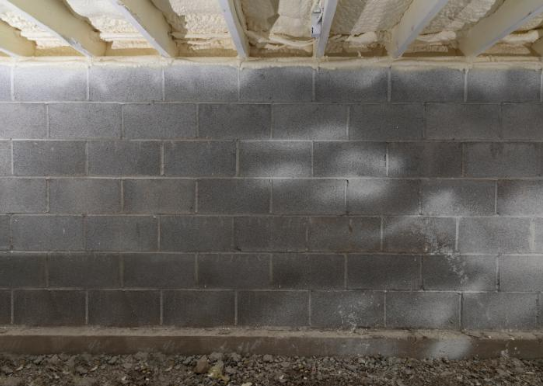
A crawl space is a shallow area located beneath a home’s first floor that provides access to plumbing, electrical wiring, HVAC components, and structural framing. Although homeowners rarely enter this space, it serves several important functions that support the home’s overall performance.
Unlike a basement, a crawl space isn’t intended to be used as living space. Instead, it creates a buffer between the ground and the home while allowing easier access for maintenance and repairs.
Modern building experts recognize that properly maintained crawl spaces contribute to improved structural performance, healthier indoor air, and easier access to essential utility systems.
Why Moisture Is the Biggest Concern
The greatest threat to most crawl spaces is excess moisture.
Water can enter through poor drainage, plumbing leaks, foundation cracks, groundwater, or humid outdoor air. Once moisture becomes trapped beneath the home, it creates an environment where mold, mildew, wood rot, and pests can thrive.
Even if you never enter your crawl space, the moisture doesn’t stay there.
Air naturally circulates throughout a home, meaning damp air from below can eventually affect indoor air quality in the living areas above. Moisture problems beneath the house are also associated with damage to floor joists and structural framing if left untreated.
Signs Your Crawl Space May Need Attention
Many crawl space problems become noticeable elsewhere in the home before homeowners ever see what’s happening underneath.
Common warning signs include:
- Musty odors indoors
- Floors that feel soft or uneven
- Higher indoor humidity
- Increased pest activity
- Mold growth
- Rising energy bills
- Standing water after heavy rain
- Sagging or squeaky floors
These symptoms don’t always indicate major structural damage, but they often suggest that the crawl space deserves a closer inspection.
Addressing concerns early helps prevent moisture-related problems from spreading throughout the home.
Crawl Spaces Affect Energy Efficiency
Many homeowners don’t realize that an unhealthy crawl space can increase heating and cooling costs.
When moist air enters the crawl space, insulation may become damp and lose much of its effectiveness. Air leaks around the floor system can also allow conditioned indoor air to escape while humid outdoor air enters the home.
Maintaining dry, well-insulated crawl spaces helps improve energy efficiency by reducing unwanted air movement and protecting insulation from moisture damage. Proper moisture control and encapsulation can improve energy performance while reducing humidity inside the home.
Preventing Mold and Wood Rot
Wood framing beneath your home depends on a dry environment to remain structurally sound.
When moisture levels remain elevated for long periods, mold and fungal growth may begin developing on floor joists and other wooden components. Over time, prolonged moisture exposure can contribute to wood decay and weaken structural members.
Preventing these conditions is often much easier than repairing damaged framing later.
Routine inspections help identify moisture problems before mold or wood deterioration become widespread.
Why Drainage Around the Home Matters
Many crawl space problems actually begin outside.
Improper grading, clogged gutters, overflowing downspouts, or standing water near the foundation allow excess moisture to collect around the home. As surrounding soil becomes saturated, water may eventually enter the crawl space.
Improving exterior drainage often plays an important role in protecting crawl spaces because reducing water around the foundation limits the amount of moisture reaching the area beneath the home.
Combining proper grading with effective drainage systems provides long-term protection against recurring moisture issues.
Encapsulation Is Becoming a Popular Solution
Many homeowners are choosing crawl space encapsulation to improve moisture control.
Encapsulation generally involves installing a durable vapor barrier across the crawl space floor and walls while sealing gaps that allow humid air to enter. Depending on the home’s needs, additional measures such as dehumidifiers or drainage improvements may also be recommended.
This approach helps create a cleaner, drier environment beneath the home while reducing conditions that encourage mold growth, pest activity, and excess humidity.
Encapsulated crawl spaces are increasingly recommended in many climates because they provide more consistent moisture control than traditional vented crawl spaces.
Routine Maintenance Protects Your Investment
Like every other part of your home, crawl spaces benefit from regular maintenance.
Homeowners should periodically:
- Inspect for plumbing leaks
- Check for standing water
- Monitor humidity levels
- Look for signs of pests
- Examine insulation
- Inspect vapor barriers
- Keep gutters and downspouts functioning properly
These simple maintenance tasks help identify developing concerns before they become larger structural repairs.
Regular inspections also allow homeowners to monitor changes over time and address issues while they’re still relatively manageable.
A Healthy Crawl Space Supports a Healthy Home
Although it’s one of the least visible parts of the house, the crawl space influences many aspects of daily living. Moisture control, structural stability, indoor air quality, energy efficiency, and pest prevention all begin beneath the floor.
By recognizing early warning signs and investing in routine maintenance, homeowners can reduce the likelihood of costly repairs while extending the life of their home’s foundation and structural components.
When you need professional solutions for crawl spaces, Florissant Foundation Repair Pros provides comprehensive inspections and customized repair services designed to control moisture, improve structural stability, and help homeowners protect the long-term safety and value of their properties.
