

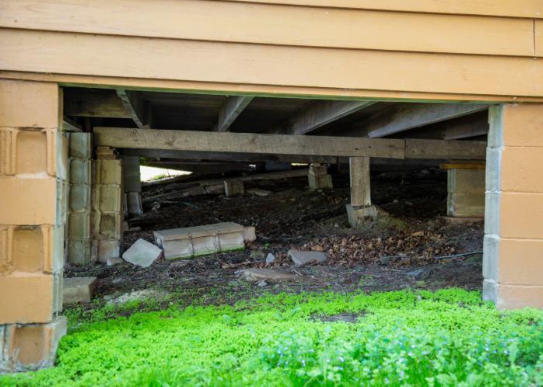
Crawl spaces tend to stay out of sight until something goes wrong. Moisture may collect beneath the floor, plumbing leaks may go unnoticed, and structural materials may slowly deteriorate without obvious signs inside the living space. By the time musty odors, uneven floors, or visible damage appear, the problem may have already been developing for months.
A modern crawl space inspection gives inspectors more ways to examine conditions beneath a property. Flashlights and visual observations still matter, but newer tools provide information that the eye alone may miss. Thermal cameras, moisture meters, digital inspection cameras, and humidity sensors make it easier to investigate suspicious areas and document what is happening below the floor.
Modern technology doesn’t replace professional judgment. Instead, it gives inspectors another layer of information. When physical observations and digital measurements work together, inspectors can spot small warning signs before they grow into larger concerns.
Visual Checks Still Have Their Limits
A traditional inspection usually starts with a visual review. An inspector may examine joists, beams, support posts, plumbing lines, insulation, foundation walls, and exposed soil. Signs such as staining, standing water, cracked materials, sagging framing, or corrosion may point toward a developing problem.
The challenge is visibility. Crawl spaces often contain narrow sections, dark corners, pipes, ductwork, and insulation that block the view. Damp material may look normal from the surface, while a small plumbing leak might remain hidden behind insulation.
Technology adds measurable information to those visual observations. Instead of judging an area solely by appearance, inspectors may compare moisture readings, temperatures, humidity levels, and photographs from several locations.
Thermal Imaging Finds Unusual Temperature Changes
Thermal imaging has become one of the more interesting tools used during property inspections. An infrared camera creates an image based on differences in surface temperature.
Temperature changes may point an inspector toward areas worth investigating. Damp materials sometimes register differently from nearby dry materials. An infrared camera can also reveal missing insulation, air movement, or temperature differences around pipes.
A thermal image doesn’t automatically mean there is water damage. Temperature differences have many possible causes, which is why suspicious areas require a closer physical evaluation.
When added to a crawl space inspection, thermal imaging gives inspectors a faster way to scan larger sections of framing, insulation, and surrounding materials. Photos may also become part of the inspection record, providing a useful reference if conditions change later.
Moisture Meters Reveal What Eyes Miss
Water is one of the biggest concerns beneath a property. Ground moisture, plumbing leaks, drainage problems, and humid air may expose wood framing and other materials to damp conditions.
A moisture meter measures the moisture level within certain building materials. Inspectors may use one on floor joists, beams, subflooring, or other accessible wood components when an area appears suspicious.
Readings are especially useful when materials look dry from the outside. A stain might come from an old leak that has already dried, while normal-looking wood may still contain elevated moisture.
Other warning signs may appear nearby, including musty odors, condensation, discoloration, rust, mold-like growth, or deteriorated wood.
The U.S. Department of Energy notes that moisture may enter crawl spaces through soil as liquid water or water vapor, with moisture contributing to conditions that promote mold and wood deterioration. Readers interested in the building science behind ground moisture may review the agency’s guidance here: U.S. Department of Energy crawlspace moisture guidance.
Small Cameras Reach Hard-To-See Areas
Getting a clear view beneath a structure isn’t always easy. Some crawl spaces have very little clearance, while pipes, ducts, insulation, and framing create additional obstacles. Compact digital cameras and extendable inspection cameras provide another option. Inspectors may use them to look around framing, behind accessible insulation, near plumbing connections, or into narrow areas that would otherwise be difficult to examine.
Photos also make inspection findings easier to document. Instead of relying entirely on written notes, an inspector may record visible cracking, staining, moisture, deteriorated wood, or unusual support conditions.
Images collected during one crawl space inspection may also create a useful baseline. If someone inspects the space again in the future, newer photographs may be compared with the earlier record to see if cracks, moisture staining, or other visible conditions have changed.
Humidity Sensors Track Damp Conditions
A crawl space may feel damp, but feeling alone doesn’t provide much useful data. Humidity meters give inspectors an actual measurement of the moisture present in the air.
Relative humidity may rise or fall depending on weather, drainage, ventilation, ground moisture, and seasonal conditions. High readings during one visit don’t automatically identify the source, but they provide another clue. Repeated or unusually high humidity may lead an inspector to investigate nearby conditions more closely. Ground moisture, plumbing leaks, poor drainage, condensation, or gaps in an existing vapor barrier may deserve further attention.
Digital sensors are particularly useful because they turn an invisible condition into measurable information. Instead of describing a space as simply “damp,” an inspector has data to compare with readings from other areas.
Structural Evaluation Still Needs Human Judgment
Cameras and sensors collect useful information, but inspectors still need to evaluate structural conditions carefully.
An inspector may look for cracked or deteriorated supports, damaged joists, sagging beams, foundation cracking, shifting components, or wood weakened by prolonged moisture exposure. Floor movement inside the property may also hint at what is happening underneath.
Technology adds context rather than providing a diagnosis on its own. A moisture meter might identify damp wood, for example, but someone still needs to determine where the moisture is coming from and how much material appears affected.
The strongest inspection process combines visual observations, measurements, photographs, structural knowledge, and an understanding of how different parts of the building interact.
Earlier Detection Keeps Problems More Manageable
Many crawl space problems start small. A slow leak may affect one section of wood before spreading farther. Drainage trouble may leave occasional moisture before standing water develops. A minor structural change may become easier to notice when older photographs and measurements are available for comparison.
People don’t need to crawl beneath the property themselves to watch for warning signs. Musty odors, unexplained indoor humidity, uneven flooring, visible cracks, or recurring moisture may signal that an evaluation is worth considering. Modern tools make hidden areas less mysterious. They provide clearer information about conditions that would otherwise remain difficult to observe.
Modern Tools Bring Hidden Issues Forward
Crawl spaces may be tucked beneath the property, but they play an important role in supporting the floors and surrounding structure. Moisture, drainage problems, damaged framing, and shifting supports deserve attention before obvious damage spreads.
Thermal cameras, moisture meters, inspection cameras, and humidity sensors have changed how inspectors gather information. Each tool provides a different piece of the puzzle, while physical evaluation places those readings into context.
A crawl space inspection performed before major symptoms appear may reveal developing concerns while the affected area is still limited. Early awareness gives property occupants more information and more time to decide what should happen next.
If you’ve noticed uneven floors, moisture, cracking, musty odors, or other signs of trouble beneath your property, Pro Foundation Repair Pflugerville provides professional foundation and crawl space services. Contact the company to schedule an evaluation and find out what may be happening beneath your property.
