

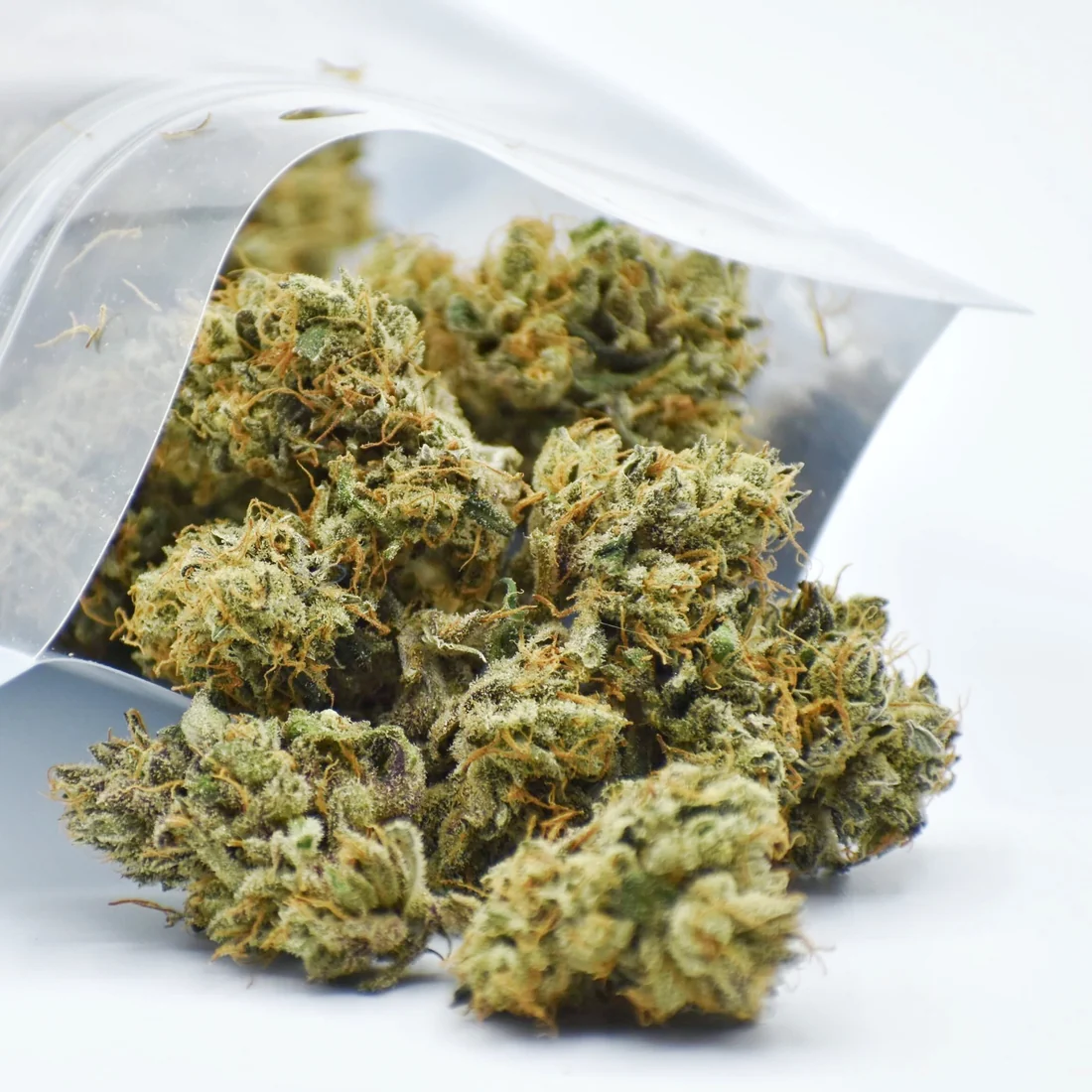
THCA flower has gained popularity among cannabis enthusiasts who are seeking potent and legal options for their wellness routines. As interest in this product grows, it’s increasingly important to know how to evaluate quality to ensure a safe and rewarding experience. For those interested in premium options or learning more about reputable sources, explore THCA flower strains to discover a curated selection of quality buds.
Not all THCA products meet the same standards of purity or potency. By recognizing the signs of high-quality THCA flower through visual, aromatic, and lab indicators, consumers can make informed decisions that enhance wellbeing and value. Safeguarding your experience begins with informed buying, whether for medicinal or recreational use. Knowing what sets the best apart helps you select safe, satisfying products.
THCA flower, when chosen carefully, offers a balance of legality and strong cannabinoid effects. Its benefits are not only potent but also safe and transparent, thanks to consumer vigilance and industry standards. As more states legalize cannabis, understanding how to identify quality is vital for both beginners and experts. Consumers should watch for marketing claims and rely on evidence like Certificates of Analysis (COAs) and cultivation openness. Recognizing quality is key to a positive, healthy cannabis experience.
Understanding THCA Flower
THCA (tetrahydrocannabinolic acid) is a non-psychoactive cannabinoid abundantly present in raw cannabis plants. Unlike THC, THCA does not cause intoxication until it is decarboxylated through heat, which can occur via smoking, vaping, or baking. This process transforms THCA into psychoactive THC, creating the familiar euphoric effects. THCA flower refers to cannabis buds harvested with high THCA content, intended to provide a strong and immediate experience when consumed appropriately.
Importance of Lab Testing
One of the most reliable ways to confirm the quality and safety of any THCA flower product is to review its Certificate of Analysis (COA). A COA is a document produced by independent accredited laboratories, detailing the precise cannabinoid makeup and screening for harmful chemicals. Key transparency elements in these reports include:
- THCA Percentage: Reflects the strength and desired effects of the flower.
- Delta-9 THC Content: Must remain below legal limits set by regulations, often 0.3 percent in the United States.
- Contaminant Testing: Ensures there are no pesticides, heavy metals, mold, or microbial risks present.
Brands that publish batch-level COAs demonstrate accountability and respect for consumers. A missing or inconsistent COA should raise concerns and prompt buyers to consider other options. Reputable dispensaries or online retailers typically make these documents readily available for public review.
Visual and Olfactory Cues
Visual inspection plays a big role in identifying quality THCA flower. Look for dense, hand-trimmed buds that glisten with trichomes, signifying a high concentration of cannabinoids and terpenes. Colors should be vibrant, ranging from deep green to a spectrum of purples and oranges, with minimal brown hues present. The presence of orange or red hairs is also a good sign, but should not dominate the surface.
Quality aroma is a reliable indicator of freshness and high terpene levels. A strong scent profile with citrus, pine, or earthy overtones is ideal. An off-putting, musty, or hay-like smell can indicate poor curing, improper storage, or age. As for texture, fresh THCA flower should be slightly sticky due to its resin content, yet remain pliable and not brittle. The buds should break apart gently without turning into powdery dust.
Cultivation Methods
How THCA flower is grown directly impacts its cannabinoid and terpene content, as well as its purity. Indoor cultivation uses advanced climate and light controls, helping ensure higher potency, greater terpene retention, and consistent appearance across batches. These flowers are generally denser and richer in color and scent due to optimized growth conditions.
Outdoor cultivation, while eco-friendly and natural, can result in lower-potency flowers and sometimes expose them to environmental contaminants or pests. The variance in weather and soil conditions means flavor and strength may not reach the same standard as top indoor-grown options. Choosing a product with clear details about its origin and growing methods will inform your expectations and experience.
Terpene Profiles
Terpenes are aromatic compounds in cannabis and other plants that influence scent and interact with cannabinoids, possibly boosting therapeutic effectsvia the entourage effect. Myrcene imparts musky or herbal notes and may promote relaxation, limonene offers citrus aroma with uplifting potential, and caryophyllene has a spicy smell and supports stress relief. Examining a product’s COA for diverse terpenes can help select based on desired effects and aromas. Research indicates terpenes may have anti-inflammatory and mood-enhancing benefits, making them key for users seeking more than potency.
Common Red Flags
Remaining vigilant for warning signs will help you avoid inferior products. If a product lacks a public COA, has an unappealing appearance, such as dry or stem-filled buds, gives off a stale or musty odor, or is offered at a price dramatically lower than the prevailing market price, these are major causes for concern. Such issues may indicate contamination, poor growing practices, or product age.
In these situations, it’s best to seek well-reviewed brands and to avoid unfamiliar sources making bold claims that cannot be independently verified.
Pricing and Value
THCA flower pricing generally reflects quality, cultivation technique, and overall cannabinoid content. Budget options, usually between $25-$40 per eighth, may appeal to cost-conscious shoppers but can lack the refinement of higher tiers. Mid-tier selections, priced from $40 to $60 per eighth, often strike a balance between price and features, making them suitable for most users. Premium top-shelf flowers cost $60+ per eighth and typically come with detailed transparency, advanced indoor cultivation, and exceptional potency or aroma.
Finding the best value involves weighing quality indicators, transparency, and price. It is rare for premium-level quality to be sold at bottom-tier prices, so be cautious of deals that seem too good to be true.
Conclusion
To select high-quality THCA flower, prioritize transparency and rigorous testing, start with a keen visual inspection, and seek flowers with a bold aroma and a strong terpene presence. Stick with reputable brands that disclose cultivation methods and consistently offer up-to-date COAs. An informed approach ensures that your THCA flower experience is as enjoyable as it is safe, helping you enjoy the benefits of cannabis with confidence.
