

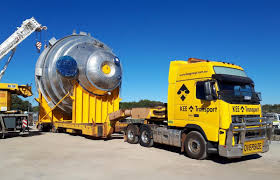
Heavy transport is rarely just about finding something powerful enough to pull a load. The real question is whether the whole setup suits the job. What is being moved? How far does it need to travel? Will the route include soft ground, narrow access, steep sections, or live worksites? These questions matter before a truck even starts.
For project teams moving machinery, materials, or heavy equipment, prime mover hire can make more sense when the job needs strength, planning, and reliable transport support in one place.
Start With the Load, Not the Truck
A common mistake is choosing transport based only on size or power. A strong prime mover is important, of course, but the load should guide the decision first. A dozer, excavator, water cart, trailer, or bulk material load may all need a different approach.
Before booking anything, teams should understand the load properly. That means checking:
- Weight and load dimensions
- Whether permits or escorts may be needed
- Pick-up and drop-off conditions
- Loading equipment available at each site
- Travel distance and road conditions
- Timing around other trades or machinery movements
This is where a rushed booking can become expensive. If the truck arrives and the load is not ready, the delay starts straight away. If the access point is too tight, the team may need to stop and rethink the route. If the ground is soft, the move may need more planning than expected.
Good heavy transport starts before the prime mover turns up. The more details shared early, the easier it becomes to match the equipment to the job. It also helps avoid those awkward moments where everyone is standing around a machine, trying to work out why the plan looked better on paper than it does on site.
Think About the Route, Site Access, and Turnaround
Prime mover support is not only about the highway section of a job. Some of the hardest parts happen at the start and finish. A machine may need to leave a crowded construction site. A delivery may need to reach a regional job where the final access road is rough. A trailer may need room to turn without holding up the rest of the crew.
Route planning should look at more than distance. A shorter road is not always the better road. Low branches, soft shoulders, narrow gates, traffic limits, steep entries, and uneven yards can all affect the move.
It helps to ask practical questions early:
- Can the prime mover enter and exit safely?
- Is there enough space to line up with the trailer?
- Will the loading area stay clear?
- Is the drop-off point firm enough for heavy transport?
- Are there time limits around site access or local traffic?
Turnaround matters too. On larger projects, one delayed transport movement can affect several other tasks. A grader may be waiting. A crew may need access to the next work zone. A supervisor may be trying to keep a tight schedule moving.
The right support reduces guesswork. It gives the team a clearer idea of what will happen, when it will happen, and what needs to be ready before the truck arrives.
Why Experienced Operators Make the Difference
The prime mover itself does the pulling, but the operator carries a lot of responsibility. Heavy transport needs careful judgement. Operators must read the ground, handle the vehicle properly, communicate with site crews, and respond when conditions change.
This matters most when the job is not simple. Regional projects, civil works, mining support, and machinery relocation often involve shifting conditions. Roads may change after rain. Access may tighten as works progress. Other plants may be moving through the same space.
An experienced operator can help by:
- Positioning the vehicle safely for loading and unloading
- Working with site supervisors and spotters
- Managing tight turns and limited access
- Keeping movements steady around active works
- Noticing risks before they become delays
That last point is important. Heavy transport is full of small decisions. Where to stop. When to wait. Whether the ground looks stable enough. How to approach a loading area without blocking the site.
A good operator does not just complete the move. They help protect the schedule around it. That is why project teams should look beyond price alone and consider whether the hire option comes with people who understand real worksite pressure.
Conclusion
Prime movers are essential for many heavy transport jobs, but the best results come from matching the truck, operator, route, and site conditions properly. Power matters, but planning matters just as much.
When project teams take time to check the load, access, timing, and operator support, the whole job becomes easier to manage. Heavy transport should not feel like a gamble. With the right prime mover setup, it becomes a planned part of the project rather than a problem waiting to happen.
