

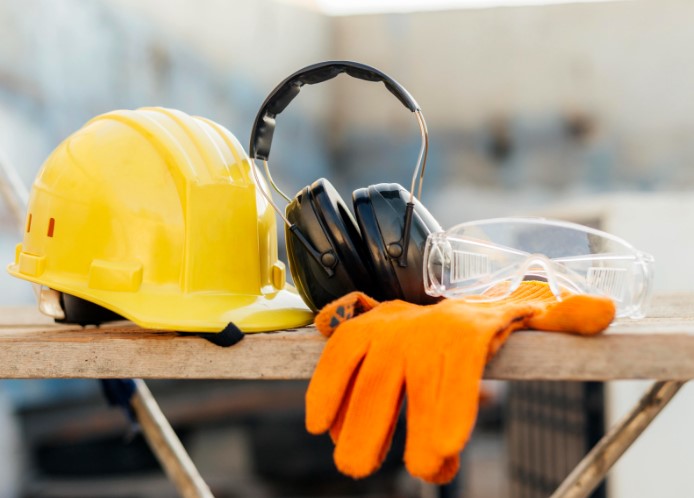
Employees are the backbone of a business, and their safety is of the utmost importance. Businesses worldwide utilise health and safety reporting to manage their safety procedures.
Health and safety reporting can be done in two ways: Manual and automated reporting systems. Here’s a detailed breakdown of both systems, explaining how they work so you can make an informed decision:
Importance of Health and Safety Reporting
First things first, what really is health and safety reporting at the workplace, and why does it matter? It is a systematic process of documenting and communicating information about potential hazards, incidents, and accidents. The aim is to identify near misses, meaning events that could have caused harm but didn’t.
Health and safety reporting allows organizations to mitigate risks and catch hazards before they cause irreversible harm. Other benefits of health and safety reporting include:
- Reduced accidents and injuries
- Improved employee productivity
- Legal compliance
- Improved business reputation
- Reduced costs
How a Manual Health and Safety System Works
This is the traditional form of health and safety reporting. Employees or workers are trained to identify various hazards like slips, falls, and trips, and are required to send their complaints via designated channels. This could be a designated healthy officer or their line manager.
Manual health and reporting systems heavily rely on physical forms, which encompass everything from the time of the incident to the names of any witnesses. Unfortunately, the traditional health and safety system has several shortcomings.
- Slow reporting process
- Inefficiencies due to human error
- Missed hazards
- Delayed response to hazards
- Lack of a centralised system leading to miscommunication
What are Automated Health and Safety Reporting Systems
Automated health and safety reporting systems have revolutionized the principles of workplace safety. It is digital program designed to helps organisations manage and maintain safety standards.
These digital solutions go beyond simple record-keeping by integrating sophisticated communication tools that react instantly to potential dangers. By implementing automated emergency notification protocols, companies can ensure that critical alerts reach the necessary personnel without the delays inherent in manual chains of command. This immediate dissemination of information is vital for coordinating rapid responses during high-pressure situations. Furthermore, the integration of real-time data allows for a more dynamic approach to risk mitigation. Such advancements represent a significant shift toward a more proactive and tech-driven safety culture.
Here’s how WHS software can benefit businesses:
- Timely incident reporting
- Timely incident management and response
- Incident tracking and analytics
- Reduced accidents and injuries
- Proactive workplace safety management
- Boosted employee morale and productivity
Key Features of Automated Systems
So, how do automated systems like WHS software actually work? Here’s a brief breakdown:
Risk management – Businesses can proactively identify workplace hazards and take timely action to minimise potential risks.
Incident reporting – WHS software has tools that make incident reporting a breeze. Employers can register a complaint from any device.
Training and compliance – Automated health and safety programs can be used to deliver training sessions and to track employee participation.
Accessibility and scalability – Most automated health and safety applications are cloud-based, which means they expand with your business. You can incorporate new tools and systems to cater to growing needs.
The Bottom Line
If you’re looking to adopt advanced safety protocols and ensure complete compliance, an automated health and safety software is the right choice. It will help boost employee productivity and make sure all procedures are in line with safety standards.
