

Muscle pain, tightness, and those persistent “knots” are some of the most common complaints seen in Singapore today, especially among office workers sitting long hours at desks, athletes pushing their physical limits, and individuals with generally sedentary lifestyles. Poor posture, repetitive strain, and stress often contribute to these issues, making them difficult to resolve with rest alone.
In recent years, one increasingly popular treatment offered in physio Singapore clinics is dry needling, a technique used to target stubborn muscle tightness and trigger points that do not always respond well to conventional therapy. Many patients who visit a physio clinic in Singapore often explore this option as part of a broader rehabilitation plan to relieve pain and restore normal muscle function.
What Is Dry Needling?
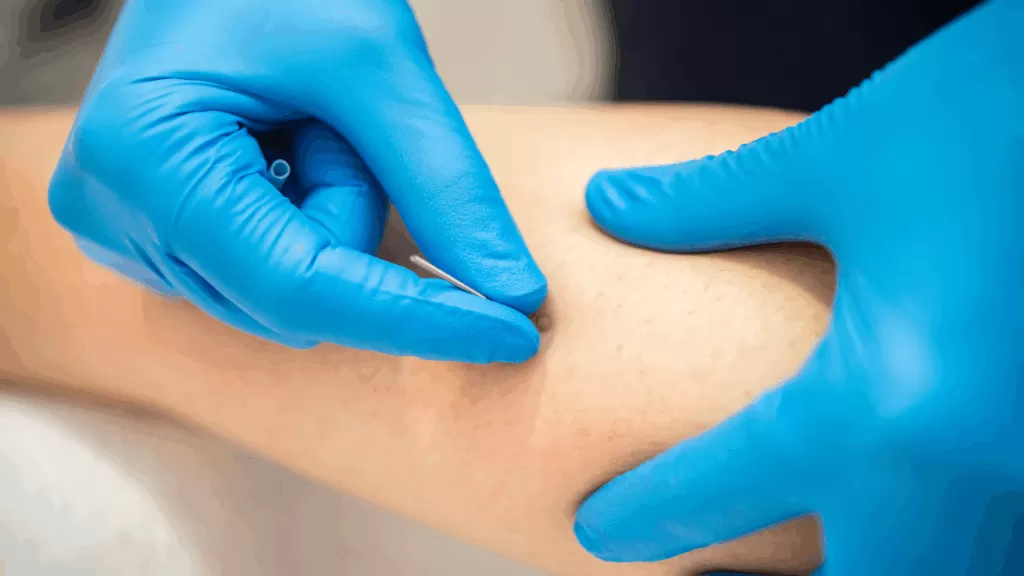
Dry needling is a physiotherapy treatment technique that involves the use of thin, sterile needles inserted into specific areas of tight muscle known as trigger points. These trigger points are often responsible for localised pain, stiffness, and even referred pain in other parts of the body. Unlike medications or passive treatments, dry needling directly targets the source of muscular dysfunction to help release tension and improve movement.
In physio Singapore practice, dry needling is commonly used as part of a broader rehabilitation approach. It is important to note that dry needling is different from acupuncture. While acupuncture is based on Traditional Chinese Medicine and energy meridians, dry needling is grounded in modern musculoskeletal and neurophysiological principles. The focus is on identifying dysfunctional muscle tissue and using precise needling techniques to restore normal muscle activity and reduce pain.
What Are Trigger Points?
Trigger points are small, hypersensitive tight spots within a muscle that can feel like hard “knots” under the skin. These points often develop when a muscle is overworked, strained, or held in a shortened position for long periods. In many cases, they can cause not only local pain but also referred pain, meaning discomfort is felt in a different area from where the trigger point is located. For example, trigger points in the upper shoulder muscles may contribute to tension headaches or neck pain.
In physio Singapore clinics, trigger points are frequently seen in individuals with desk-bound jobs, poor posture, or repetitive movement patterns, as well as athletes who place high demands on specific muscle groups. Stress and lack of movement can also worsen these tight areas over time, making them persist despite stretching or rest. Identifying and treating these trigger points is often a key step in addressing chronic muscle pain effectively.
How Dry Needling Works
Dry needling works by targeting these tight trigger points directly with a fine needle. When the needle is inserted into the affected muscle, it often produces a brief “twitch response,” which is a reflex contraction of the tight muscle fibres. This response is a sign that the muscle is beginning to release tension and reset its normal function.
From a physiological perspective, this process helps improve blood flow to the area, reduce local chemical irritation, and calm overactive pain signals in the nervous system. Over time, this can lead to reduced muscle tightness, improved flexibility, and less pain during movement.
In physio Singapore practice, dry needling is rarely used on its own. It is typically combined with other treatment approaches such as manual therapy, stretching, and strengthening exercises. This combined approach helps ensure that while the immediate muscle tightness is addressed, the underlying movement or posture issues are also corrected to prevent recurrence.
Conditions Commonly Treated with Dry Needling
Dry needling is often used in physio Singapore clinics to manage a range of musculoskeletal conditions where muscle tightness and trigger points play a major role in pain and restricted movement.
It is commonly applied for:
- Neck and shoulder pain, especially from prolonged desk work or poor posture
- Tension headaches linked to tight upper neck and shoulder muscles
- Lower back pain caused by muscle guarding or chronic strain
- Sports-related muscle tightness, such as calf, hamstring, or quadriceps overload
- Elbow pain conditions like tennis elbow or golfer’s elbow, where forearm muscle tension contributes to symptoms
These conditions tend to respond well because dry needling directly targets the overactive muscle areas that often maintain the pain cycle. In many cases, patients seeking help at a physio Singapore clinic find it particularly useful when stretching, rest, or massage alone has not fully resolved their symptoms.
What to Expect During a Session
A dry needling session at a physio Singapore clinic typically begins with a detailed assessment. The physiotherapist will first ask about your symptoms, daily activities, and any movements that worsen your pain. They will then examine your posture, joint mobility, and muscle tightness to identify specific trigger points contributing to your condition.
Once the treatment areas are identified, very thin, sterile needles are inserted into the targeted muscles. You may feel a slight prick on insertion, followed by a brief twitch or deep ache in the muscle. This is a normal response and usually settles quickly.
The number of needles used and the duration they remain in place will depend on your condition and treatment goals. After the session, it is common to experience mild soreness in the treated area, similar to post-exercise muscle fatigue. This usually resolves within 24 to 48 hours.
Benefits and Limitations of Dry Needling
Dry needling can help reduce muscle tightness, relieve pain, and improve movement by directly targeting trigger points. Many patients also experience better flexibility and faster recovery when it is combined with exercise-based rehabilitation in physio Singapore treatment plans.
However, it is not a standalone solution. While it can provide short-term pain relief and muscle release, lasting improvement depends on addressing underlying causes such as posture, muscle imbalance, or movement patterns. Mild soreness after treatment is also common but temporary. Dry needling works best as part of a comprehensive physiotherapy approach rather than a single treatment method.
Conclusion
Dry needling can be a useful option for people dealing with persistent muscle tightness, pain, or trigger points that do not fully improve with stretching or rest. However, the key is not just symptom relief, but identifying why the problem is happening in the first place. If you are experiencing recurring neck, shoulder, or back pain, it may be worth getting a proper assessment at our physio clinic in Singapore. Details below:
PhysioActive (Orchard)
Orchard Branch at Camden Medical Centre #11-05
Singapore 248649
+656235 2647
PhysioActive (CBD)
CBD Branch at 160 Robinson Road, #05-03
SBF Center Singapore 068914
+656438 0162
PhysioActive (Jurong)
Jurong Branch at 2 Venture Drive Vision Exchange #02-13/14
Singapore 608526
+656258 5602
PhysioActive (Novena Specialist Center)
Novena Branch at 8 Sinaran Drive Novena Specialist Center #07-12
Singapore 307470
+65 6734 4707
