

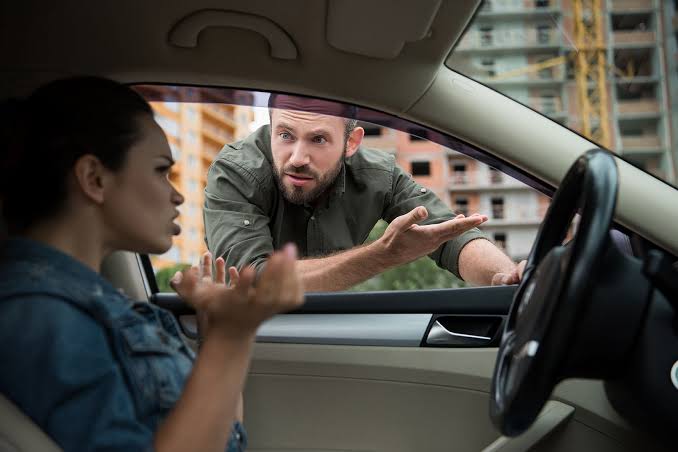
Road rage and aggressive driving create similar hazards, but they describe different behaviors. Aggressive driving involves dangerous actions such as speeding, tailgating, unsafe passing, or frequent lane changes. Road rage involves an emotional escalation that can lead to threats, confrontations, or violence. The distinction matters because each behavior demands a different response from drivers, witnesses, and investigators. Recognizing the warning signs helps people react safely before anger turns a traffic dispute into a serious incident.
Road rage usually begins with a driving frustration, but the conduct quickly becomes personal and confrontational. Research discussed by Auger & Auger examines how dopamine activity, testosterone spikes, and cognitive distortions reinforce reckless responses. The report also cites 12,600 recorded road rage incidents in one year, showing why drivers need to recognize escalation before it becomes dangerous.
What Separates Road Rage From Aggressive Driving?
Aggressive driving describes a pattern of unsafe behavior behind the wheel. A driver might travel far above the speed limit, follow another vehicle too closely, pass across unsafe spaces, or change lanes without signaling. The conduct creates danger, even when the driver does not target another person.
Road rage includes an emotional loss of control. The driver may chase another vehicle, block traffic, shout threats, make threatening gestures, or leave the vehicle to confront someone. A single angry reaction can qualify as road rage when it becomes deliberate intimidation or violence.
Intent also helps separate the behaviors. An aggressive driver often focuses on speed, convenience, or personal frustration. A driver experiencing road rage focuses on another motorist as an opponent and treats an ordinary mistake as a personal attack.
Why Traffic Frustration Escalates
Traffic congestion raises stress and limits a driver’s sense of control. The cited report states that drivers in congested areas are 200 percent more likely to engage in road rage. Delays, merging conflicts, and repeated braking can reduce patience during a crowded commute.
Cognitive distortions intensify that reaction. A driver can interpret a delayed signal, missed gap, or lane change as intentional disrespect. The report attributes 79 percent of road rage incidents to perceived intentional slights, even when the other driver caused no deliberate harm.
Reward mechanisms also influence repeated aggression. The report states that habitual aggressive drivers show 30 percent higher dopamine activity than cautious drivers. That pattern can reinforce reckless conduct because the brain links confrontation and risk with a stimulating reward.
Signs That Anger Is Becoming Dangerous
A driver who repeatedly follows another vehicle has moved beyond ordinary frustration. Sudden acceleration, close tailgating, repeated horn use, and aggressive lane changes signal rising hostility. Attempts to block, trap, or force another vehicle off the road require immediate caution.
Verbal and physical threats indicate a more serious escalation. A driver who stops, exits the vehicle, displays a weapon, or follows someone after a dispute creates an immediate safety risk. The report states that firearm-related road rage incidents have doubled since 2013, with one in five fatal cases involving a firearm.
Drivers should avoid eye contact, gestures, arguments, and retaliatory maneuvers. Leaving extra space allows another vehicle to move away without forcing a close encounter. If a driver is followed, the targeted motorist should go to a public location or contact emergency dispatch rather than drive home.
What Drivers Should Do After an Incident
Safety comes before collecting evidence. A driver should pull over only when a safe location exists and should avoid confronting the other motorist. If a crash occurs, the driver should move away from traffic when possible and contact emergency dispatch for immediate danger or injuries.
A written account should include the time, location, direction of travel, vehicle description, license plate information, and exact conduct observed. Witness names, photographs, video recordings, and damage records can support later reports. Drivers should preserve original files instead of editing footage.
Medical care matters after a collision or physical confrontation, even when injuries seem minor. Symptoms can appear later, especially after sudden vehicle impact. A timely medical record connects reported symptoms with the incident and helps document the resulting harm.
Why the Distinction Matters
The difference between aggressive driving and road rage affects prevention, reporting, and accountability. Unsafe driving often calls for distance and caution, while a direct threat requires emergency assistance. Treating every incident as simple irritation can cause drivers to miss signs of imminent violence.
The distinction also helps witnesses describe conduct accurately. “The driver was angry” provides little usable information. A clear account states that the driver followed another vehicle, blocked its path, made threats, or displayed a weapon. Specific observations help dispatchers and investigators assess the danger.
Conclusion
Road rage begins when driving frustration becomes personal hostility, while aggressive driving describes dangerous conduct without requiring a direct confrontation. Both behaviors demand distance, restraint, and careful reporting. Drivers should avoid retaliation, move toward a safe public location, and contact emergency dispatch when threats or weapons appear. Afterward, medical records, witness details, photographs, and preserved video can clarify what happened. Recognizing the difference early gives motorists a practical chance to prevent escalation and protect everyone nearby.
