

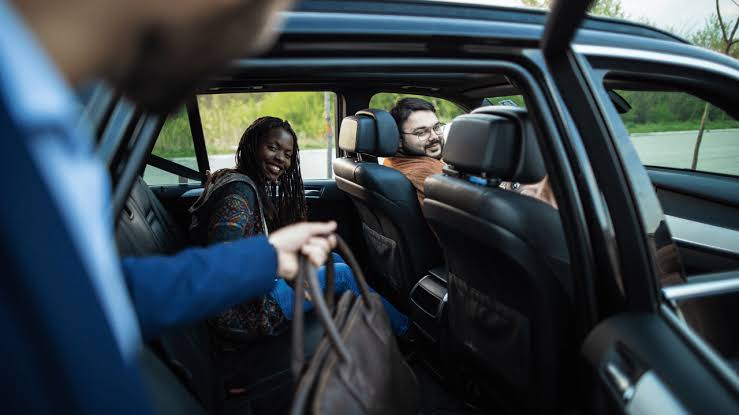
A rideshare passenger can lose valuable evidence within minutes of a collision. Vehicle damage gets repaired, witnesses leave, digital records change, and delayed symptoms become harder to connect to the crash. Passengers should protect their health first, then record physical conditions, preserve trip information, and document medical care. A careful evidence plan supports insurance reporting and any later claim. The following steps explain what passengers should preserve after a rideshare collision.
Passengers often leave a crash with incomplete information, especially when pain or shock disrupts memory. A clear response plan explains what to do immediately after an Uber accident in Miami, including medical care, notifying the police, preserving trip records, and contacting insurance. Florida personal injury lawyers can help passengers protect evidence before details disappear or vehicle damage changes.
1. Protect Health and the Crash Scene
Passengers should call 911 if anyone is injured, needs medical care, or faces danger near traffic. Emergency dispatch can send police and medical responders to document the scene and address urgent conditions.
If it is safe to move, the passenger should leave the traffic lanes and avoid standing near damaged vehicles. A passenger should not move an injured person unless remaining at the scene creates an immediate danger.
Medical attention matters even when symptoms seem minor. Headaches, dizziness, neck pain, abdominal pain, and confusion can appear hours after a collision. A prompt examination creates a medical record that connects reported symptoms with the crash.
2. Photograph Physical Evidence
A passenger should photograph the rideshare vehicle, other vehicles, license plates, roadway, traffic signals, lane markings, and nearby property damage. Wide photographs should show the scene, while closer images should capture dents, broken glass, deployed airbags, and visible injuries.
Photographs should include several angles and distances. Avoid moving objects before documenting them, unless safety requires removal. Weather, lighting, standing water, debris, and road damage can also help explain how the collision occurred.
Passengers should preserve torn clothing, damaged personal items, and any visible blood or dirt. Keep those items in their original condition until an insurer or attorney provides further instructions.
3. Save Digital Trip Records
The rideshare application usually stores the trip receipt, pickup location, destination, driver information, vehicle description, route, and payment record. Passengers should save screenshots and download receipts before account details change.
A passenger should also preserve text messages, application notifications, cancellation notices, and communications with the driver or rideshare company. Each record should retain its date and time whenever possible.
Phone data can establish where the trip began, whether it was active during the collision, and who arranged transportation. Passengers should not edit screenshots or delete related messages.
4. Collect Witness And Driver Details
Passengers should ask witnesses for names, telephone numbers, email addresses, and a short description of what each person observed. Do not coach a witness or ask them to adopt a particular version of events.
The passenger should record the driver’s name, license number, insurance details, vehicle information, and rideshare status. The application can provide some of these details, while the police report can confirm others.
Police officers should receive a factual account without guesses about speed, distance, or fault. Passengers should request the report number and learn how to obtain the completed report later.
5. Preserve Medical And Financial Records
A passenger should keep medical records, prescriptions, discharge instructions, diagnostic results, and invoices in one secure folder. Record follow-up appointments with the date, provider, symptoms, and treatment received.
Work records can show missed shifts, reduced hours, or income lost because of injury. Keep receipts for transportation, medication, medical equipment, and other crash-related expenses with the claim documents.
Florida’s personal injury protection rules generally require medical treatment within 14 days to qualify for that coverage. A passenger should confirm the applicable requirements with an insurance professional or attorney.
6. Report Facts And Preserve Statements
Passengers should notify the rideshare company through the application and report the collision to their own insurer. The report should state when and where the crash happened, who was involved, and what medical care followed.
A passenger should avoid posting photographs, opinions, or injury updates on social media. Insurance representatives, drivers, and other parties can interpret casual statements out of context.
Before giving a recorded statement or signing a release, the passenger should review the request carefully. A release can affect future claims, especially when symptoms or treatment remain unresolved.
7. Create A Complete Evidence File
A simple timeline can organize the passenger’s account. It should include the trip time, collision location, emergency calls, police contact, medical visits, symptoms, missed work, and communications with insurers.
The passenger should store original photographs and files without editing them. You can share copies for claims, while keeping the originals and their metadata (when available).
An attorney can review the driver’s insurance, rideshare coverage, personal injury protection, and possible claims against other parties. Early review also helps identify missing records before witnesses become difficult to locate.
Conclusion
A passenger’s strongest evidence often comes from ordinary actions taken during the first hours after a crash. Medical records, scene photographs, witness details, trip data, and expense records each answer different questions about injury and responsibility. Next, create a dated evidence folder, notify the appropriate insurers, and avoid signing statements or releases before getting legal advice. Prompt organization gives the passenger a clearer record for evaluating available compensation.
