

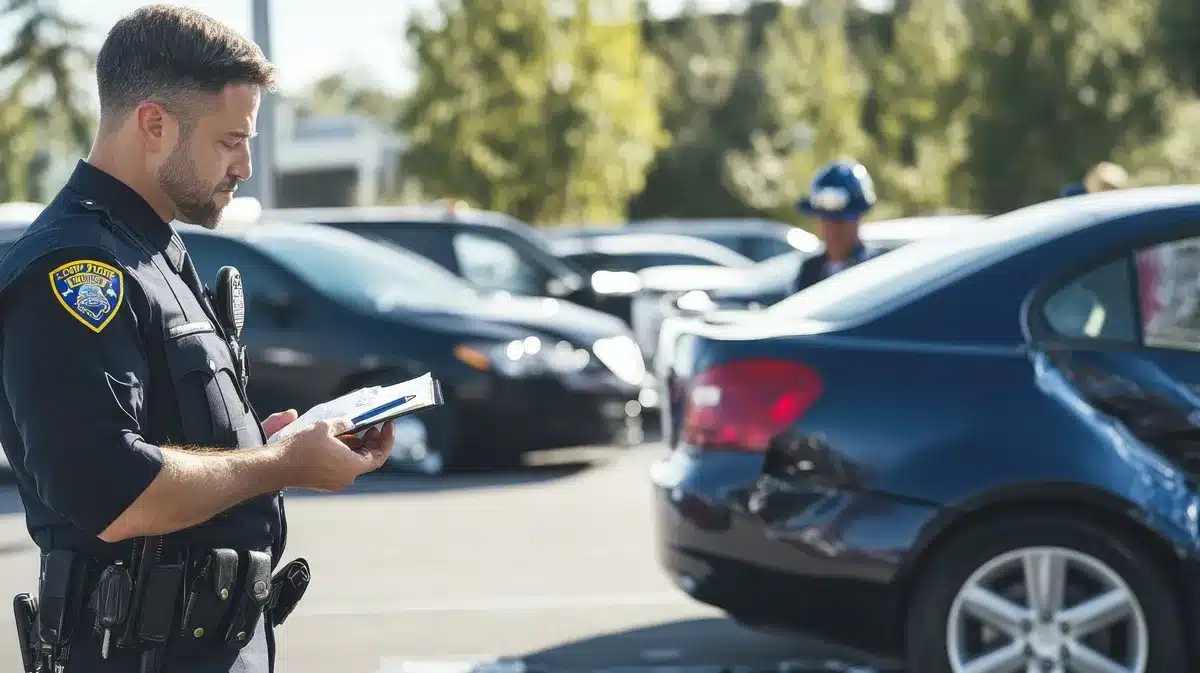
After a crash, drivers often remember the impact but forget the evidence that explains what happened. Photos, witness details, road conditions, and medical records help preserve facts before vehicles move and memories blur. Georgia drivers should treat the scene as a source of information, not just a place to wait for police. The following steps show what to document and why each detail matters after leaving the roadway during a claim.
People dealing with injuries, disputed fault, or an insurer’s questions often need a clear record from the first minutes after impact. Reliable counsel like the John Foy law firm can explain why photos, witness information, police records, and treatment details matter when an Atlanta driver seeks compensation. That guidance fits the scene itself, where small details can later clarify positions, traffic controls, damage, and visible injuries.
1. Protect People Before Documenting Evidence
A driver should check for injuries, call 911, and move to a safe location if remaining near the vehicles creates another hazard. Vehicles blocking traffic, leaking fluids, or sitting near a dangerous curve require immediate attention from emergency personnel.
Drivers should avoid arguing about fault at the scene. A simple exchange of information keeps the interaction focused and reduces statements that an insurer could later interpret as an admission.
If a person feels dizzy, confused, or in pain, medical attention takes priority over photographs. A delayed symptom still deserves prompt evaluation, because a medical record connects the condition to the collision more clearly.
2. Photograph The Collision Scene
A phone camera can preserve details that disappear after vehicles move or weather changes. Drivers should take wide photographs showing the roadway, lane positions, nearby intersections, traffic signs, signals, and the surrounding area.
Closer photographs should show each vehicle’s damage from several angles. Images of broken glass, skid marks, debris, fluid leaks, airbag deployment, and tire position can help explain the impact’s direction and force.
The scene should also show lighting and surface conditions. Drivers should photograph standing water, potholes, obstructed signs, poor visibility, construction materials, or other conditions that affected the roadway.
Photographs should remain unedited, with the original files preserved. A driver should back them up and record when they were taken, because later cropping or enhancement can raise questions about accuracy.
3. Gather Information From Drivers And Witnesses
Drivers should exchange names, phone numbers, addresses, license numbers, license plate numbers, and insurance information. Also record the other vehicle’s make, model, and color before either vehicle leaves.
Witnesses can provide independent accounts when drivers remember the collision differently. Collect their names and contact information, along with a brief note about where each person stood or drove before the impact.
A witness might leave before police finish their work, so drivers should record those details promptly. A short note about what the witness observed is useful, but a driver should avoid coaching anyone or asking for a particular version of events.
4. Request A Police Report And Preserve Statements
Drivers should request a police response when someone is injured, a vehicle blocks traffic, property damage is significant, or fault is disputed. The report can identify the involved parties, describe visible damage, document citations, and record statements made at the scene.
A police report does not automatically decide every issue in a later claim. Georgia uses a fault-based system, and insurers review photographs, witness accounts, medical records, and other evidence when assigning responsibility.
Georgia also follows modified comparative negligence rules. An injured person who is less than 50 percent responsible can recover damages, but the payment decreases according to that person’s assigned share of fault.
5. Record Injuries And Follow-Up Care
Photograph visible injuries, especially bruising, cuts, swelling, and burns. A driver should write down symptoms, when they began, and any changes in movement or daily activities.
Medical records should identify the collision date and explain the treatment received. Keep follow-up appointments, prescriptions, therapy, and work restrictions together with bills and other related documents.
An insurance adjuster can question a long gap between a crash and medical treatment. Prompt evaluation gives a healthcare provider an opportunity to identify injuries and create a dated record.
6. Avoid Losing Evidence After Leaving
Drivers should save dashcam footage, phone photographs, messages about the crash, repair estimates, towing records, and receipts for related expenses. They should also avoid posting opinions about fault or injuries on social media.
A driver should notify the insurer as required by the policy but avoid giving a recorded statement before reviewing the facts. Serious injuries, disputed responsibility, or an uncooperative insurer justify speaking with a Georgia personal injury attorney.
Conclusion
A useful scene record starts with safety and continues through photographs, witness information, police documentation, and medical care. Drivers should preserve original files, keep related records in one folder, and write down facts while the event remains fresh. Anyone injured in Georgia should also track treatment and claim communications because personal injury lawsuits generally face a two-year filing deadline. Taking these steps early gives the driver a clearer record when an insurer questions fault, injuries, or expenses.
