

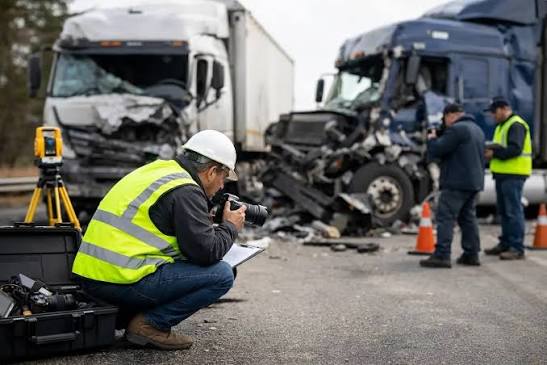
Long Island’s crowded highways and busy commercial corridors place passenger vehicles beside large trucks every day, from local delivery routes to traffic moving across Nassau and Suffolk counties. When a serious collision occurs, an injured person can face medical bills, time away from work, and questions about who should answer for the harm. The driver’s actions are only one part of that inquiry. Commercial trucking depends on businesses and organizations that make decisions before a vehicle reaches the road, and those decisions can shape the legal picture after a crash.
Identifying those connections matters most when injuries require long-term treatment or affect a family’s financial stability. An Amityville truck accident lawyer can review the facts and determine which individuals, companies, or entities to investigate. That broader review gives an injured person a clearer understanding of potential sources of compensation. It also lays the groundwork for pursuing a claim based on the full circumstances surrounding the collision, not just one person’s conduct.
The Truck Driver May Carry Direct Liability
Driver negligence provides a starting point for a claim. Speeding, distraction, unsafe lane changes, fatigue, and impaired driving can cause collisions. Federal rules limit driving hours, while dispatch records can show safety violations. A victim researching claim procedures can review this resource about a truck accident lawyer. It addresses claims involving defendants, insurers, and related duties.
Federal rules limit commercial driving hours to reduce fatigue-related crashes. Dispatch records, electronic logs, testing records, and witness accounts can establish whether a driver violated safety requirements.
The Trucking Company Can Share Responsibility
A carrier can face liability for negligent hiring, inadequate training, unsafe scheduling, or improper supervision. Company policies matter when management pressures drivers to ignore hours-of-service limits or safety rules.
Under vicarious liability principles, an employer can bear responsibility for negligent conduct committed within the scope of employment. Insurance records also matter because commercial policies can differ from a driver’s personal coverage.
A claim review identifies the carrier, available insurance, and contractual responsibilities before settlement discussions begin.
Cargo Loaders Can Create Dangerous Conditions
A truck can become unstable when cargo is unevenly distributed, overloaded, or inadequately secured. Those conditions can contribute to rollovers, jackknife crashes, and spilled materials.
Shippers and third-party loading companies sometimes handle cargo before a truck leaves a facility. Bills of lading, loading records, photographs, and employee statements can help determine who loaded or secured the shipment.
A loading company can face a claim when its work caused the unsafe condition that contributed to the crash. Liability depends on the facts and contractual duties.
Maintenance Contractors Can Be Responsible
Brake failures, tire defects, and steering problems can cause severe truck crashes without driver error. Maintenance providers have duties tied to inspections, repairs, and replacement parts under service arrangements.
Service invoices, inspection reports, work orders, and removed parts can show whether a mechanical problem existed before the collision. Records also show whether a provider ignored a known defect or failed to complete required repairs.
Even when a carrier hires an outside mechanic, maintenance contracts can identify who had responsibility for a specific repair or inspection.
Manufacturers Can Face Product Liability Claims
A defective truck component can cause a crash even when the driver and carrier followed required procedures. Defects can involve braking systems, steering components, tires, or other safety-critical parts.
Product liability claims require evidence connecting the defect to the collision and resulting injuries. Engineers, testing records, damaged components, and manufacturing documents can become important evidence.
Preserving the truck and relevant parts matters because later repairs or disposal can destroy physical evidence. An early inspection can determine whether a product defect belongs among the causes.
Road Agencies Can Enter the Liability Analysis
Road design and maintenance can also contribute to truck crashes. Potholes, poor lighting, missing warnings, inadequate markings, or unsafe roadway features can create hazards for large commercial vehicles.
Government claims often follow special notice rules, deadlines, and procedural requirements. The applicable rules depend on the government entity and jurisdiction where the crash occurred.
Photographs, maintenance records, traffic-control plans, prior complaints, and witness statements can help establish whether a roadway condition contributed to the incident.
Build the Claim Around Evidence
A truck accident investigation should trace the sequence leading to the collision. The review can cover driver records, company policies, maintenance history, cargo documents, physical evidence, and roadway conditions.
Prompt medical care should come first, followed by preservation of crash evidence and detailed injury records. Victims should avoid recorded statements or releases before they understand what claims and defendants exist.
Multiple defendants can create separate insurance investigations and competing liability positions. An evidence record helps determine which parties belong in the claim and what facts support each allegation.
Conclusion
Truck accident liability can extend beyond the driver because commercial crashes often involve several separate duties. The carrier, cargo loader, maintenance provider, manufacturer, or roadway agency can matter when evidence connects its conduct to the collision. The next practical step is to preserve records, photographs, vehicle evidence, and medical documentation as soon as possible. A timely investigation can identify responsible parties before evidence disappears or procedural deadlines expire. A prompt review protects those claims.
