

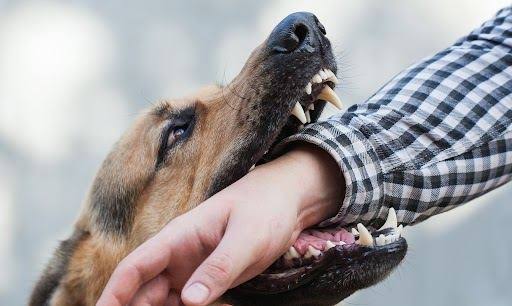
Arlington, Texas, has busy residential neighborhoods, public parks, and shared spaces where residents regularly encounter dogs. While most encounters pass without trouble, an unexpected attack can leave someone dealing with problems that extend beyond the physical injury. Returning to normal activities becomes difficult when pain interferes with movement or fear changes how a person feels around unfamiliar animals. For someone who depends on physical strength at work, even a hand injury can create serious problems. Parents may struggle to care for young children, while others may depend on relatives for basic needs. These disruptions deserve attention when seeking compensation under Texas personal injury law.
In Arlington dog bite claims, attorneys examine how the incident changed the injured person’s circumstances and whether the available evidence supports compensation for those changes. Understanding the full extent of these consequences helps injured residents explain their experiences during legal proceedings. Keeping an accurate account from the beginning also gives an attorney a stronger foundation for reviewing the case.
Record the Injury and Treatment
A medical professional should examine a dog bite, even when the wound looks minor. Dog bites can cause punctures, torn tissue, infections, scarring, and other injuries that require follow-up care.
Medical records document the diagnosis, treatment, symptoms, and restrictions associated with the attack. Keep appointment dates, discharge instructions, prescriptions, and medical bills together to avoid gaps.
Follow every treatment instruction, and keep scheduled appointments. Missed care can create an incomplete treatment history and give an insurer grounds to question the injury’s severity.
Preserve Evidence From the Attack
A prompt report creates a dated record of the incident. It can identify the dog, the owner, vaccination status, and any prior complaints.
The injured person should report the bite to the appropriate local authority, property owner, or law enforcement agency. Photographs should show the wound, damaged clothing, location, and visible warning signs.
Keep witness names, phone numbers, text messages, and available security footage with the incident file. Written notes should describe the dog’s appearance, the owner’s statements, and what happened before and after the bite.
Track Everyday Limitations
A daily journal should record pain, limited movement, sleep disruption, emotional distress, and tasks that require assistance. Entries should include dates and describe concrete changes rather than general impressions.
Work records need the same attention. Missed shifts, reduced hours, lost commissions, and employer accommodations can document how the injury affected employment and earnings.
Also record changes at home. Receipts can document transportation, medication, medical equipment, and replacement clothing. Notes can track help with cooking, cleaning, driving, shopping, or childcare.
Connect Records to Financial Losses
Keep expenses organized by date and purpose. A simple folder can hold medical bills, pharmacy receipts, transportation costs, clothing purchases, and other documented expenses.
Income records should show the normal work pattern and the period affected by recovery. Employees can retain schedules, pay records, and notices from employers.
Independent workers can preserve canceled appointments, delayed projects, and payments tied to the recovery period. Those records connect the injury with measurable changes in earnings.
Understand Texas Liability Rules
Texas dog bite cases often involve negligence or the one-bite rule. Evidence of prior aggressive behavior, warnings, or an owner’s failure to use reasonable care can affect the legal theory.
In some circumstances, Texas law imposes strict liability when an owner knew a dog posed a danger. The facts determine which theory applies to a particular incident.
Texas generally gives an injured person two years from the bite date to file a lawsuit. A timely legal review helps preserve evidence before footage disappears, witnesses become harder to locate, or memories fade.
Handle Insurance Communications Carefully
An insurance adjuster can request a recorded statement, medical authorization, photographs, or social media access. Review each request carefully before providing information or signing documents.
Statements should remain factual and complete. They should describe the attack, diagnosed injuries, treatment received, and current daily limitations without guessing about future recovery.
Social media posts also require care. A photo without context can conflict with other evidence, so public posts should accurately reflect the person’s condition and activities.
Conclusion
A dog bite can produce losses that never appear on a medical bill, including missed income, added expenses, and household assistance. Those losses become easier to document when dated records begin with the first medical visit. Next, organize medical records, incident evidence, work documents, receipts, and journal entries in one file. A Texas personal injury attorney can review those records before a filing deadline approaches or evidence disappears.
