

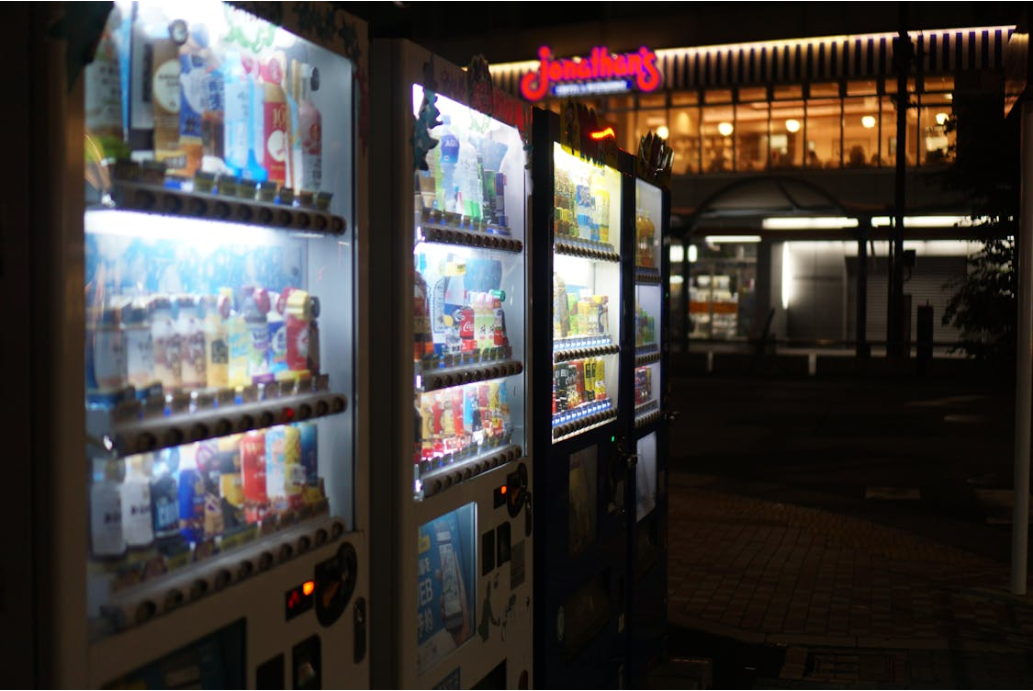
For many entrepreneurs, the allure of the vending industry lies in its promise of passive income and scalable growth. However, the seasoned business owner knows that “passive” does not mean “maintenance-free.” To ensure your automated retail shop remains a consistent revenue generator rather than a drain on your resources, following a structured vending machine maintenance guide is the most effective way to protect your investment and keep your customers satisfied. By prioritizing proactive care over reactive repairs, you can extend the lifespan of your equipment and maximize your profit margins.
The Strategic Importance of Proactive Maintenance
In the world of business, downtime equals lost revenue. When a vending machine is out of order, it is not just the immediate sale that is lost; it is the consumer’s trust. A “Out of Order” sign is a visual representation of a service failure that can drive your regular customers into the arms of a competitor.
Entrepreneurs must view maintenance as an insurance policy. While there is a cost associated with regular cleaning and part replacements, these expenses are marginal compared to the price of an emergency technician visit or the total replacement of a compressor. A well-maintained machine operates more efficiently, consumes less electricity, and presents a professional image that reflects positively on your brand.
The Daily and Weekly Checklist: Keeping Up Appearances
The first step in vending machine care is aesthetic and hygienic. Because these machines often handle food and beverages, cleanliness is a legal and ethical requirement.
External Sanitation The exterior of your machine is your first point of contact with the customer. Dust, fingerprints, and spills can make a machine look neglected. Use non-abrasive cleaners to wipe down the glass, the selection buttons, and the delivery bin. In a post-pandemic market, customers are highly sensitive to cleanliness; a sparkling machine encourages more frequent use.
Internal Organization Every time you restock, take a moment to look inside. Check for any debris or product crumbs that may have fallen into the delivery chute. Ensure that the coils or conveyors are moving freely and that no packaging has become snagged. This small step prevents the “stuck product” phone calls that plague busy owners.
The Technical Core: Payment Systems and Cooling
The two most critical components of any modern vending machine are the payment interfaces and the refrigeration unit. If either of these fails, the machine is effectively useless.
Validator and Coin Mech Care The bill validator and coin mechanism are the “cashiers” of your business. Over time, dust from paper currency and oils from coins can coat the sensors. Use a specialized cleaning card or a soft, dry cloth to keep these sensors clear. If your machine utilizes a credit card reader, ensure the firmware is updated regularly to prevent transaction errors and security vulnerabilities.
Refrigeration and Dust Control For machines selling cold drinks or perishable snacks, the refrigeration system is the heart of the operation. The most common cause of cooling failure is a clogged condenser coil. Much like a home refrigerator, these coils attract dust and lint. If the coils are dirty, the compressor has to work twice as hard, leading to higher energy bills and premature motor failure. Use a vacuum or a soft brush to clean the coils at least once every quarter.
Software and Connectivity Management

In the age of the Internet of Things (IoT), many vending machines are equipped with telemetric systems that allow owners to track inventory and sales in real-time. For an entrepreneur, this data is gold. However, software requires its own form of maintenance.
Ensure that your telemetry hardware is securely connected and that your signal strength is consistent. Regular software updates provided by the manufacturer can fix bugs and improve the speed of transactions. By monitoring your machine’s health remotely, you can often identify a mechanical issue before it results in a full system shutdown.
The Financial Perspective: Budgeting for Longevity
A savvy business owner treats maintenance as a fixed operating expense rather than a surprise cost. According to industry standards, setting aside a small percentage of your monthly revenue for a “maintenance fund” is a best practice.
This fund covers:
- Routine cleaning supplies.
- Replacement of wear-and-tear parts like springs or motors.
- Annual professional inspections.
By accounting for these costs upfront, you stabilize your cash flow. You will not find yourself in a position where a single mechanical failure wipes out your profits for the month. Furthermore, keeping detailed logs of all maintenance performed increases the resale value of your machine should you decide to upgrade your fleet in the future.
Training and Staffing Considerations
If your vending business has scaled to the point where you employ staff to handle restocking, their training must include basic maintenance protocols. Your route drivers are your “eyes and ears.”
Train your team to listen for unusual noises, such as a humming compressor or a grinding motor. They should be equipped with basic cleaning kits and taught how to perform a “test vend” after every restock. When your team takes pride in the equipment, the equipment takes care of the business.
Seasonal Adjustments
Vending machines are sensitive to their environment. If your machines are located in areas with extreme temperature fluctuations, such as a warehouse or an outdoor kiosk, you must adjust your care routine accordingly.
In the summer, cooling systems are under maximum stress. You may need to clean filters more frequently during these months. In the winter, if a machine is near an entrance, salt and moisture from snow can corrode internal metal components. Protecting the machine from the elements and adjusting the internal thermostat based on the season will prevent “stress-related” breakdowns.
Building Relationships with Technicians
No matter how diligent you are, there will come a time when professional intervention is required. Do not wait for a breakdown to find a reliable technician.
Establish a relationship with a local repair service early on. Ask about their response times and their access to spare parts. Having a trusted professional on speed dial can be the difference between a four-hour outage and a four-day outage. Some entrepreneurs choose to sign annual service contracts, which can lower the per-visit cost and ensure priority service during peak seasons.
The Psychology of the Customer
Finally, understand that maintenance is a form of marketing. A machine that is clean, well-lit, and functions perfectly every time creates a “frictionless” experience for the consumer. In a world where people are constantly in a rush, reliability is the greatest value proposition you can offer.
When a customer sees you or your staff maintaining a machine, it signals that the products inside are fresh and that the business is active and cared for. This builds a loyal customer base that will choose your machine over a neglected one every single time.
Conclusion
Success in the vending industry is built on a foundation of reliability. While the initial repair bill for a broken part might seem like the primary concern, the true cost of neglect includes lost sales, damaged reputation, and shortened equipment life.
By implementing a comprehensive care strategy, you shift from being a reactive repairman to a proactive business strategist. Invest the time in your equipment today, and your machines will continue to provide the consistent, reliable income that every entrepreneur strives to achieve. Maintenance is not a chore; it is the engine of your profitability.
