

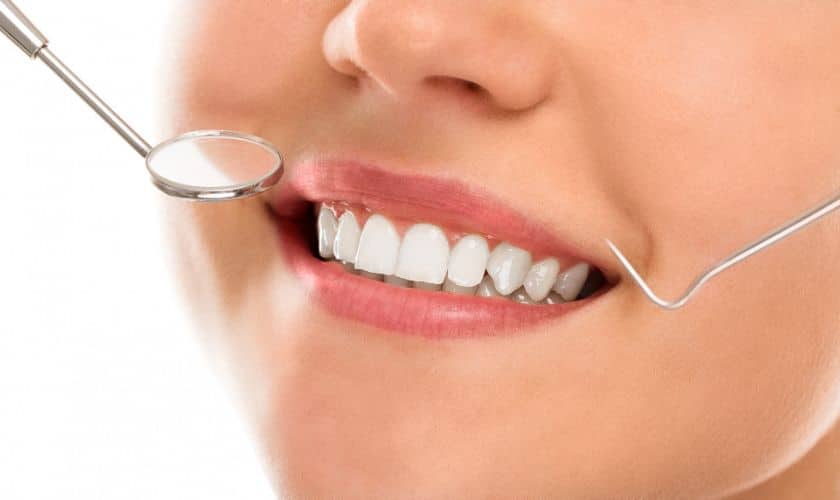
Your smile can boost confidence and leave lasting impressions, but achieving a radiant smile goes beyond genetics. This guide covers everything from daily care routines to professional treatments, offering actionable steps to transform your smile into a valuable asset. With the right approach, remarkable results are within reach!
Understanding Your Teeth: The Foundation of a Great Smile
Before diving into improvement strategies, it’s crucial to understand what you’re working with. Your mouth contains four different types of teeth, each serving a specific purpose. Incisors cut food, canines tear it, premolars crush it, and molars grind it down for swallowing.
Common dental issues can affect anyone, regardless of age or background. Tooth decay remains the most prevalent problem, often caused by bacteria that produce acid when they feed on sugars in your mouth. Gum disease affects nearly half of adults over 30 and can range from mild inflammation to serious conditions that damage the tissues supporting your teeth.
Misaligned teeth present another common concern. While some people are born with naturally straight teeth, others may need intervention to achieve proper alignment. Understanding these baseline issues helps you identify which areas need the most attention in your smile transformation journey.
Discoloration can also diminish your smile’s impact. Teeth naturally yellow with age, but factors like coffee, tea, wine, and tobacco use can accelerate this process. Surface stains are often easier to address than deeper discoloration that affects the tooth’s inner structure.
Building a Daily Oral Care Routine That Works
The foundation of any smile glow-up starts with consistent daily care. Your routine should include three essential components: brushing, flossing, and using mouthwash.
Proper Brushing Technique
Brush your teeth twice daily for at least two minutes each time. Use a soft-bristled toothbrush and fluoride toothpaste. Hold your brush at a 45-degree angle to your gums and use gentle, circular motions rather than aggressive back-and-forth scrubbing. Don’t forget to brush your tongue, as bacteria can accumulate there and cause bad breath.
Replace your toothbrush every three to four months or sooner if the bristles become frayed. Electric toothbrushes can be more effective at removing plaque than manual ones, but the key is consistent, proper technique regardless of the tool you choose.
Mastering the Art of Flossing
Many people skip flossing, but it’s essential for removing plaque and food particles between teeth where your toothbrush can’t reach. Use about 18 inches of floss, winding most of it around your middle fingers and leaving a clean section to work with.
Gently guide the floss between your teeth using a rubbing motion. When you reach the gum line, curve the floss into a C-shape against one tooth and slide it into the space between the gum and tooth. Repeat this process for each tooth, using a clean section of floss each time.
Choosing the Right Mouthwash
Mouthwash provides an extra layer of protection against bacteria and can help with specific issues like bad breath or gum inflammation. Look for products that contain fluoride for cavity protection or antimicrobial ingredients for gum health. Use mouthwash after brushing and flossing, not before, to avoid washing away the beneficial effects of your toothpaste.
Diet and Nutrition for a Healthy Smile
What you eat and drink directly impacts your oral health. Certain foods can strengthen your teeth and gums, while others can contribute to decay and staining.
Smile-Friendly Foods
Calcium-rich foods like dairy products, leafy greens, and almonds help strengthen tooth enamel. Crunchy fruits and vegetables such as apples, carrots, and celery can help clean your teeth naturally while stimulating saliva production.
Fatty fish rich in omega-3 fatty acids may help reduce gum inflammation. Green tea contains compounds called catechins that can fight bacteria in your mouth. Cheese not only provides calcium but also helps neutralize acid in your mouth.
Foods and Drinks to Limit
Sugary and acidic foods and beverages are your smile’s biggest enemies. Sodas, sports drinks, and even fruit juices can erode tooth enamel over time. Sticky candies cling to teeth and feed harmful bacteria for extended periods.
Coffee, tea, and red wine can stain your teeth, though you don’t necessarily need to eliminate them entirely. Using a straw can help minimize contact with your teeth, and rinsing with water afterward can reduce staining potential.
Hydration and Your Smile
Water is your mouth’s best friend. It helps wash away food particles and bacteria while maintaining healthy saliva production. Saliva is crucial for neutralizing acids and providing minerals that help repair early stages of tooth decay.
Professional Treatments: Taking Your Smile to the Next Level
While excellent home care is essential, professional treatments can address issues that daily brushing and flossing cannot fix.
Regular Dental Cleanings
Professional cleanings every six months remove tartar buildup that regular brushing cannot eliminate. During these visits, your dentist can also identify potential problems before they become serious and costly to treat.
Teeth Whitening Options
Professional whitening treatments can dramatically improve your smile’s brightness. In-office procedures typically produce faster, more dramatic results than over-the-counter products. Your dentist can recommend the best approach based on the type and extent of discoloration you’re experiencing.
Cosmetic Dental Procedures
For more significant smile transformations, various cosmetic procedures are available. Dental veneers can correct chips, cracks, and severe discoloration. Bonding can repair minor imperfections and gaps between teeth.
For alignment issues, options range from traditional braces to clear aligners like those in Ellenton, FL, and other locations nationwide. These treatments can address crooked, crowded, or gapped teeth to create a more uniform, attractive smile.
Addressing Gum Health
Healthy gums are essential for a beautiful smile. If you have signs of gum disease, such as bleeding, swelling, or recession, professional treatment may be necessary. Procedures can range from deep cleaning to more advanced treatments depending on the severity of the condition.
Maintaining Your Smile: Long-Term Success Strategies
Once you’ve achieved your smile goals, maintaining those results requires ongoing commitment and smart habits.
Stick to your daily oral care routine without exception. Consistency is key to preventing problems before they start. Schedule regular dental checkups and cleanings to catch any issues early.
Be mindful of habits that can damage your teeth. Avoid using your teeth as tools to open packages or crack nuts. If you grind your teeth at night, ask your dentist about a custom night guard to protect your teeth from damage.
Consider your lifestyle choices and their impact on your oral health. If you smoke or use tobacco products, quitting will significantly improve both your oral and overall health. Limit alcohol consumption, which can contribute to gum disease and oral cancer risk.
Stay informed about new developments in dental care and discuss them with your dental team. Technology and techniques continue to evolve, offering new ways to maintain and improve your smile.
Conclusion
Transforming your smile is a rewarding journey that boosts confidence and impacts all areas of life. Start with a strong daily routine, healthy dietary choices, and consult dental professionals to address specific concerns. With the right care, your smile can become one of your greatest assets.
