

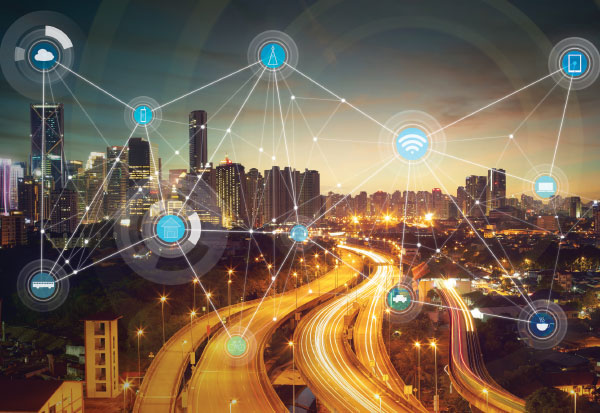
The race toward building smarter, more connected cities is accelerating worldwide. From energy-efficient streetlights that adjust to pedestrian traffic to AI-driven waste management systems, smart city innovations are redefining how we interact with urban spaces. But behind the impressive tech, one question looms large: how will our internet infrastructure keep up with this demand for speed, reliability, and near-zero downtime?
The Connectivity Demands of Smart Cities
A smart city isn’t just about gadgets—it’s about real-time data collection, processing, and delivery. This requires internet speeds and bandwidth far beyond what many urban areas currently offer. Consider autonomous vehicles, for example. A single self-driving car can generate up to 40 terabytes of data per day. Multiply that by thousands of vehicles, and the strain on a city’s network becomes staggering.
The same applies to healthcare systems with remote patient monitoring, intelligent traffic control, and public safety initiatives like facial recognition for crime prevention. All of these systems rely on a continuous stream of data with minimal latency. Without a significant upgrade to urban internet infrastructure, these services risk becoming unreliable—or worse, unsafe.
Fiber as the Backbone of Future Cities
While wireless technology like 5G often grabs headlines, it’s fiber-optic networks that will form the true backbone of smart city connectivity. Fiber offers unparalleled bandwidth, low latency, and high durability, making it the ideal choice for supporting dense clusters of sensors, cameras, and connected devices.
Moreover, fiber networks can be scaled to meet future needs more easily than legacy copper systems. As cities continue to integrate new smart technologies, the ability to expand capacity without overhauling the entire network will be critical. This is where fiber network services will play a central role in ensuring both resilience and scalability.
Decentralized Network Models for Reliability
One of the main challenges in scaling smart city infrastructure is ensuring that connectivity isn’t disrupted by single points of failure. This is leading to a rise in decentralized and distributed network models. Instead of relying solely on centralized data centers, cities are beginning to adopt edge computing hubs strategically placed throughout urban areas.
These hubs process data locally before sending it to the cloud, reducing latency and minimizing the risk of downtime. This design is particularly valuable for mission-critical services such as emergency response systems or public transportation networks.
The Policy and Investment Hurdles
Even with the technology in place, smart city network expansion faces regulatory, financial, and logistical hurdles. Laying fiber, upgrading existing infrastructure, and deploying edge data centers requires significant investment. Additionally, collaboration between municipalities, private companies, and regulators is essential to ensure compliance with privacy and security standards.
Cities that fail to establish clear policies on data use, cybersecurity, and infrastructure sharing risk falling behind, regardless of the technology available.
A 2030 Vision
By 2030, the cities that successfully balance infrastructure investment, innovative network design, and strong public-private partnerships will stand out as global leaders. These cities will boast not only faster internet speeds but also safer streets, cleaner environments, and more efficient services for residents.
Smart city technology is only as effective as the networks supporting it. As we push toward more connected urban futures, upgrading and reimagining internet infrastructure isn’t just an option—it’s a necessity.
