

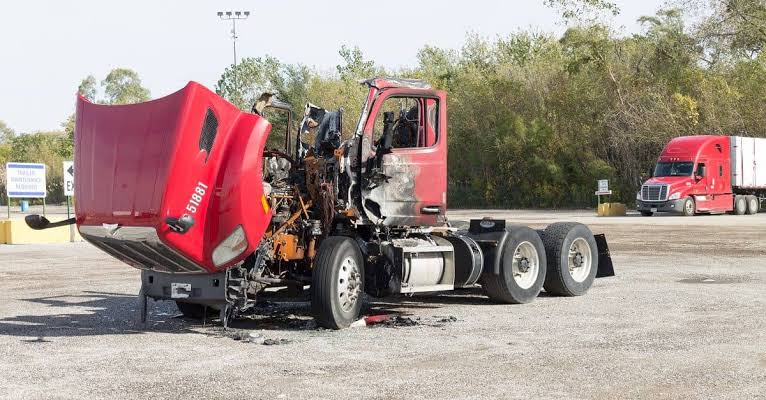
Truck crashes involve heavier vehicles, longer stopping distances, and more serious physical forces than most passenger-car collisions. Their injury claims also involve commercial records, multiple responsible parties, and insurance policies built for large losses. Someone who treats the crash like an ordinary traffic accident may overlook evidence that affects fault and compensation. Recognizing the seven issues below helps injured people protect their rights and make informed decisions after a collision.
A truck crash claim often requires prompt evidence preservation because electronic records and physical conditions can change quickly. A qualified Rutherfordton truck accident lawyer can examine driver records, company policies, maintenance documents, and insurance coverage while those details remain available. The following issues explain why commercial collisions demand a careful legal review.
1. Multiple Parties May Share Responsibility
A truck driver may carry responsibility for speeding, distraction, fatigue, impairment, or unsafe lane changes. The trucking company may also face liability if it hired an unqualified driver, ignored safety violations, or pressured the driver to violate hours-of-service rules.
A maintenance contractor, cargo loader, manufacturer, or broker can also enter the claim. Identifying each responsible party matters because every defendant can have different insurance coverage and evidence.
2. Driver Fatigue Requires Record Review
Fatigue can impair reaction time and judgment, even when a driver appears alert after the crash. Investigators review logbooks, electronic logging device data, dispatch messages, fuel receipts, delivery schedules, and rest breaks.
Those records can reveal whether a driver exceeded legal driving limits or received pressure to meet an unrealistic schedule. Medical records and witness statements can then connect fatigue-related conduct to the collision.
3. Cargo Problems Can Change the Crash
Improperly loaded cargo can shift during travel, reduce vehicle stability, or increase stopping distance. Excess weight can also affect braking and steering performance.
A claim should examine loading records, weight measurements, tie-down systems, inspection reports, and the cargo’s position after impact. These details can show whether a loader or carrier contributed to the crash.
4. Maintenance Records Can Reveal Preventable Failures
Brake defects, worn tires, damaged lights, steering problems, and suspension failures create serious risks for commercial vehicles. Federal and state rules require carriers to inspect and maintain trucks, but compliance records often tell the clearest story.
Investigators review repair invoices, inspection forms, defect reports, and prior complaints. A repeated repair problem can support an argument that the carrier knew about a dangerous condition and failed to correct it.
5. Injuries Often Have Long-Term Effects
Truck impacts can cause traumatic brain injuries, spinal damage, fractures, internal injuries, and permanent mobility limits. Some conditions appear gradually, so early symptoms do not always show the full medical picture.
A claim should account for emergency care, surgery, rehabilitation, medication, future treatment, lost income, reduced earning ability, and necessary home adjustments. Medical opinions help connect those costs to the crash.
6. Commercial Insurance Changes Negotiations
Trucking companies often carry larger insurance policies than private drivers. Their insurers may send investigators quickly, collect statements, inspect vehicles, and assess liability before an injured person understands the claim’s full value.
An injured person should avoid guessing about recovery, signing broad releases, or accepting an early settlement without reviewing future medical needs. A signed release usually limits later efforts to seek additional compensation.
7. Evidence Can Disappear Without Prompt Action
Truck components can be repaired, destroyed, or sold after a collision. Surveillance footage can be overwritten, witness memories can fade, and electronic data can become harder to obtain.
A written preservation request can instruct a carrier to retain onboard data, driver logs, inspection records, dispatch communications, and vehicle components. Photographs, medical records, wage documents, and witness contact details also deserve immediate protection.
Conclusion
A truck crash claim requires more than proving that two vehicles collided. The investigation must connect driver conduct, company practices, cargo condition, maintenance history, medical harm, and available insurance to the injured person’s losses. After receiving medical care, the next step is to preserve evidence and avoid statements that could weaken the claim. A prompt case review can identify responsible parties, protect records, and clarify which damages deserve compensation before deadlines pass or evidence is lost.
