

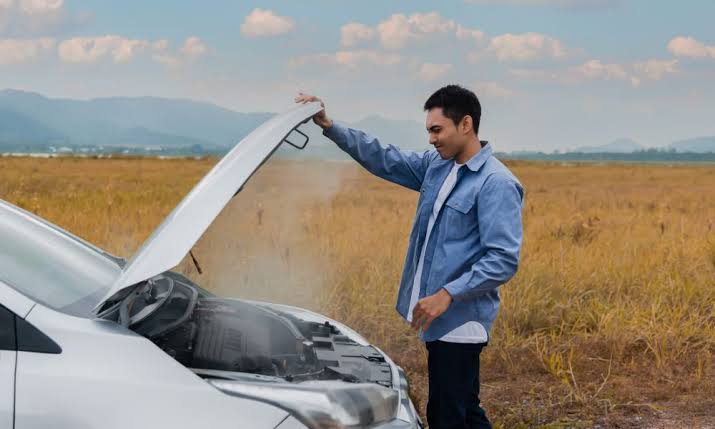
Tucson’s summer heat changes driving conditions well before a vehicle stops or a storm arrives. High temperatures strain tires, cooling systems, batteries, and driver concentration, while stranded motorists face direct sun and limited shade. Monsoon rain then adds flooding and poor visibility to the same roads. These conditions also affect pedestrians, cyclists, and the evidence surrounding a collision claim. Knowing the risks helps people prepare before travel and respond carefully after a roadside incident.
When a collision involves heat-related distraction, a disabled vehicle, or a roadside injury, the facts require careful attention. A Tucson, AZ, personal injury lawyer can help an injured person assess medical records, photographs, witness details, and insurance communications without treating summer conditions as an excuse for unsafe conduct. Those records can show how vehicle failure, visibility, or driver behavior contributed to the incident.
How Heat Strains Vehicles
High temperatures place added stress on coolant, oil, batteries, belts, hoses, and air-conditioning systems. A cooling system that works during mild weather can fail during a long Tucson drive under intense sun.
Drivers should check fluid levels, battery condition, hoses, belts, and tire pressure before traveling. Measure tire pressure when tires are cold, because heat raises pressure after driving. Underinflation, uneven wear, and visible damage increase the chance of unpredictable handling or a blowout.
A vehicle inspection also supports later claim review if mechanical failure contributes to a crash. Receipts, service records, warning messages, and photographs can help establish whether maintenance issues existed before the incident.
Why A Breakdown Becomes A Safety Emergency
A disabled vehicle can leave occupants exposed to direct sun, passing traffic, and dangerous heat. The risk grows when a car stops far from shade, water, or immediate assistance.
When safe, drivers should move the vehicle out of traffic lanes, turn on hazard lights, and contact roadside assistance or emergency services. Keep water, a charged phone, a phone charger, first-aid supplies, and signaling equipment in every vehicle during summer.
Never leave children or pets in a parked vehicle. Interior temperatures rise rapidly, even when outdoor temperatures seem manageable, or a window is partly open.
Heat Also Affects Driving Behavior
Extreme heat creates physical discomfort that can reduce patience, attention, and decision-making. Glare from bright pavement and windshields adds another visual burden, especially during afternoon travel.
A fatigued or distracted driver can miss a pedestrian, misjudge following distance, or react late to sudden traffic changes. Drivers should use working air conditioning, take breaks during longer trips, and avoid driving when heat exposure causes dizziness or confusion.
After a crash, witnesses should record the time, location, weather, road conditions, and visible signs of driver impairment or distress. These details can disappear quickly as traffic moves and weather changes.
Monsoon Storms Change Road Conditions
Summer storms create a separate set of hazards. Heavy rain can reduce visibility, cover lane markings, and send water across roads with little warning.
Drivers should slow down, increase following distance, and avoid entering flooded areas. Water depth can be hard to judge, and moving water can carry a vehicle off the roadway.
After a collision during a storm, take photos of standing water, damaged signs, blocked drainage, road debris, and vehicle positions. Seek medical evaluation after any injury, even if symptoms seem minor immediately after the crash.
Protecting Pedestrians And Cyclists
Pedestrians and cyclists face the same heat without the protection of an enclosed vehicle. Direct sun, hot pavement, and limited shade increase fatigue during short trips across Tucson.
People walking or cycling should carry water, plan routes with shade, and avoid the hottest periods when possible. Cyclists also need visible clothing, working lights when required, and careful route selection near heavy traffic.
Drivers must scan for people outside vehicles, especially when glare, rain, or heat-related fatigue reduces visibility. A roadside stop creates an additional hazard when drivers or passengers stand near moving traffic.
Documenting A Summer Accident Claim
Collect evidence promptly when injuries permit. Photos should capture vehicle damage, road conditions, tire marks, standing water, nearby shade, and any visible mechanical problem.
Medical records should describe symptoms, treatment, and the time those symptoms began. Insurance communications should remain factual, and do not discard damaged parts or personal property before documentation is complete.
Heat does not automatically determine responsibility for a collision. It provides context that investigators, insurers, and attorneys must consider alongside driver conduct, vehicle condition, road design, weather, and medical evidence.
Conclusion
Tucson drivers can reduce summer risks by checking vehicle systems, carrying water, planning for breakdowns, and adjusting speed during storms. After a collision, prompt medical care and clear documentation preserve details that heat, rain, and traffic can quickly erase. Anyone injured near a roadway should photograph conditions when safe, record witness information, and keep repair and treatment records. A careful response helps clarify whether vehicle failure, driver behavior, or weather contributed to the claim.
