

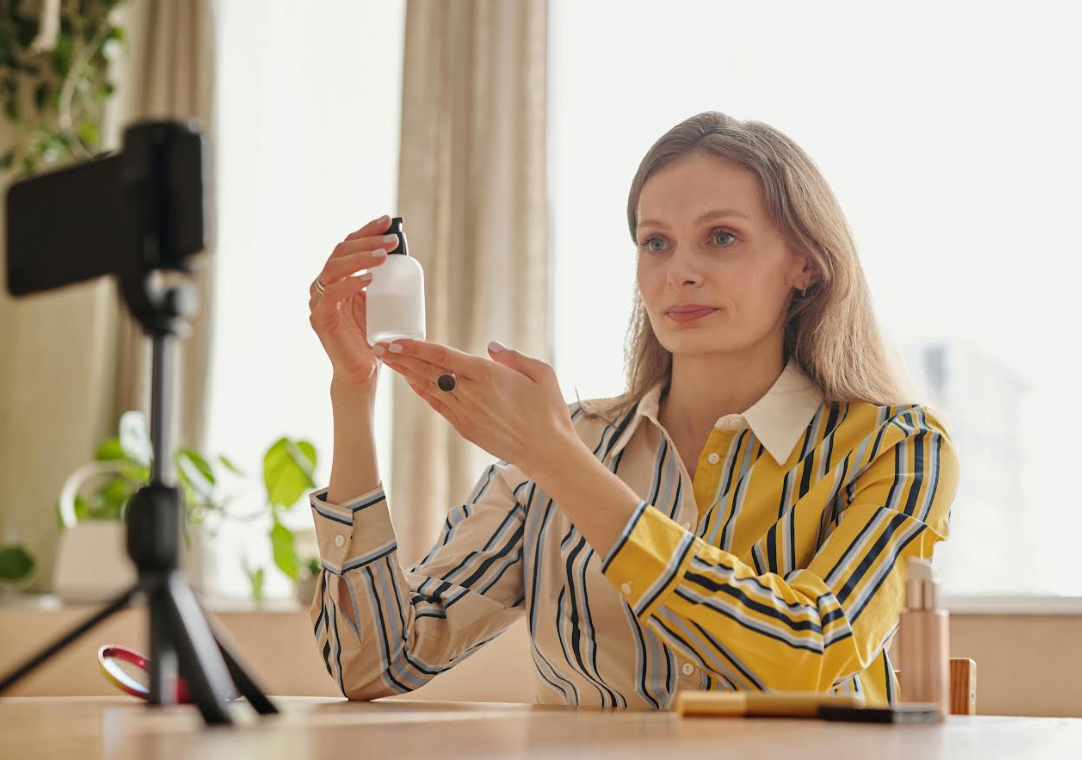
Scroll through TikTok or Instagram for a few minutes, and you’ll see new brands everywhere. Clean visuals, confident tone, founders speaking as if everything was built from scratch. It looks original on the surface. It usually isn’t.
That doesn’t mean anything dishonest is happening. But it does mean a large part of the story is being skipped.
The Illusion of Starting From Zero
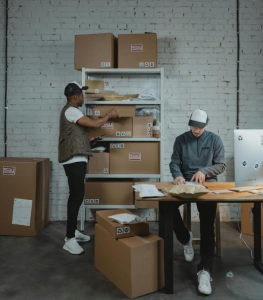
Most of these brands are not building products from the ground up. The formulation, sourcing, and production are often already in place. Manufacturers offer ready-made products that can be customised, packaged, and launched under a new name.
This isn’t a loophole. It’s a business model. What gets lost is the framing. Social content leans heavily into the idea of “building something new,” when in reality, the speed comes from plugging into systems that already exist. That distinction matters, especially when audiences are being sold on originality.
How Content Reshapes Reality
Short-form platforms compress everything. A product appears, gains some spotlight, and becomes desirable within days. What’s missing is the timeline behind it, such as testing, sourcing, and the back-and-forth needed to get it right. That gap changes how people judge the product.
- Products feel like they were created faster than realistically possible
- Founders appear more hands-on in production than they actually are
When Different Brands Sell the Same Thing
This is where it gets uncomfortable. In many categories, the base product isn’t unique. The same supplier can produce nearly identical items for multiple brands. What changes is everything wrapped around it, such as branding, messaging, and positioning. That’s why two products can look different, feel different, and be priced differently, while sharing the same origin.
This model has spread far beyond obvious categories. Skincare, supplements, accessories, and even pet products now follow similar patterns. It’s not unusual to see multiple brands built on top of the same foundation.
Many influencer-led businesses operate this way, using pre-developed products to launch quickly under new identities. Behind the scenes, manufacturers and suppliers make this possible by offering ready-made products that brands can package and sell as their own, including categories such as white label dog food. The differentiation rarely comes from the product itself. It comes from how convincingly the story is told.
Why This Approach Keeps Winning
There’s a reason this system keeps expanding. It makes launching a brand easier and removes any complexity with it.
- Lower entry barriers: No need for deep technical knowledge or manufacturing setup
- Faster launches: Weeks instead of years
- Built-in audiences: Influencers convert attention into immediate demand
- Repeatability: Once one product works, it’s easy to extend into others
From a business standpoint, it’s efficient and scalable. From the outside, it can blur the line between what’s genuinely new and what’s simply well-positioned.
The Transparency Problem No One Talks About
Coverage from sources like the Financial Times and NIQ has already pointed out how private labelling is reshaping global markets. Ownership of production is no longer a requirement for building a brand. Yet this rarely shows up in the way products are marketed on social platforms.
There’s no clear explanation of where products come from, how they’re made, or how many other brands are selling something similar. For most consumers, that information simply isn’t visible.
What This Means for Trust
The shift isn’t necessarily negative. Consumers are already adapting. Trust is moving away from who made the product to how the brand presents itself. Performance, consistency, and perceived credibility now carry more weight than origin. But there’s a trade-off:
- Markets get crowded with similar products
- Differentiation becomes harder to verify
- Marketing starts to matter more than substance
In the short term, strong branding can outperform a better product. Over time, performance catches up, but only after the market has been flooded with similar, hard-to-distinguish options.
How to Actually Evaluate a Brand
Instead of focusing only on aesthetics or messaging, it’s worth paying attention to a few practical signals:
- Is there any clarity on sourcing or manufacturing?
- Is the product actually different, or just positioned differently?
- Does it hold up after the initial hype fades?
These aren’t complicated questions, but they cut through most of the illusion.
Where This Is Headed
This model isn’t slowing down. If anything, it’s becoming more refined. More customisation will be layered onto existing products. Consumers will get better at spotting repetition. Brands will lean even harder on experience, storytelling, and community to stand out.
The number of “new” brands will keep growing. What will change is how easily people can tell what’s actually new.
Final Take
Efficiency, speed, and scale are the goals of this influencer-driven, private-label business strategy. Products are assembled, packaged, and quickly introduced to the market; they are not always invented from the scratch. Often, anything that appears unique is actually a cleverer version of something that already exists.
The real advantage isn’t creating something new or reinventing it. It’s knowing how to present it so it stands out, or positioning the product effectively.
