

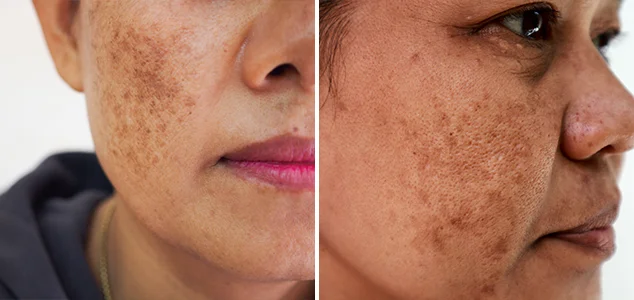
Many people notice dark spots, uneven skin tone, or patches that appear over time, which can be signs of pigmentation. This is a common skin concern in Singapore and can be caused by a variety of factors, including sun exposure, hormonal changes, acne, and genetic predisposition.
Understanding the type of pigmentation is important because it influences how the skin responds to treatment. In this article, we will explain the different types of pigmentation and how they develop. You can read more on this here https://onefaceclinic.com/pigmentation-removal-treatments-guide-dr-david-ng-c-h/ for details on effective removal methods and treatment options.
Sun-Induced Pigmentation (Sunspots / Solar Lentigines)
Sun-induced pigmentation, commonly known as sunspots or solar lentigines, appears as small, dark patches on areas frequently exposed to sunlight, such as the face, hands, and arms. These spots develop when UV rays stimulate melanocytes, the skin’s pigment-producing cells, to produce excess melanin.
Over time, repeated sun exposure causes these pigments to accumulate, resulting in visible spots and uneven skin tone. Risk factors include prolonged outdoor activities, inadequate use of sunscreen, and cumulative sun exposure over the years. While sunspots are generally harmless, they can be aesthetically concerning.
Treatment often involves topical brightening agents, mild chemical peels, or targeted laser therapy, depending on the severity of pigmentation and the patient’s skin type. Preventive measures, such as daily broad-spectrum sunscreen and protective clothing, play a critical role in reducing new pigmentation formation.
Melasma – Hormonal Pigmentation
Melasma is a type of pigmentation that appears as brown or grayish patches, most commonly on the cheeks, forehead, and upper lip. It is often triggered by hormonal changes, such as pregnancy, contraceptive use, or fluctuations related to stress. Sun exposure can worsen melasma, even in small amounts, making it a persistent and recurring condition for many patients.
Unlike sunspots, melasma is usually symmetrical and can be more resistant to treatment. Topical creams containing lightening agents, gentle chemical peels, and controlled laser or light-based procedures are commonly used to reduce pigmentation. Treatment requires careful planning and monitoring because aggressive interventions can sometimes worsen the patches or trigger rebound pigmentation. Preventive strategies, including strict sun protection and avoidance of known triggers, are essential to maintain results over time.
Post-Inflammatory Hyperpigmentation (PIH)
Post-inflammatory hyperpigmentation (PIH) occurs when dark spots appear after the skin has been irritated or injured. Common triggers include acne, eczema, insect bites, or minor scratches. PIH results from excess melanin production during the skin’s healing process, leaving visible discoloration that can last weeks to months.
PIH is more noticeable in individuals with darker skin tones or sensitive skin. While the spots are harmless, they can be frustrating because they often linger even after the original irritation heals. Treatments for PIH focus on gentle pigmentation reduction, including topical brightening creams, mild chemical peels, and sun protection to prevent worsening. Avoiding aggressive scrubs or harsh products is important to allow the skin to recover without further darkening.
Freckles and Genetic Pigmentation
Freckles are small, brown spots that often appear on the face, shoulders, and arms. They are primarily hereditary and tend to become more visible with sun exposure. Unlike sunspots or melasma, freckles are usually uniform in color, appear in clusters, and are more common in fair-skinned individuals.
Freckles are generally harmless and mostly considered a cosmetic concern. While some patients choose to reduce their appearance, treatment is optional. Options include gentle topical lightening creams, sunscreen to prevent darkening, and targeted laser treatments for stubborn spots.
Consistent sun protection is essential to prevent new freckles from forming. Because freckles are influenced by genetics, long-term management often focuses on maintenance and preventing further pigmentation rather than complete removal.
Other Causes of Pigmentation
Apart from sun exposure, hormones, and post-inflammatory triggers, pigmentation can also arise from several other factors. It’s important to identify these causes to ensure the right treatment plan. Common contributors include:
- Medications – Certain antibiotics, chemotherapy drugs, and hormonal treatments can darken the skin.
- Inflammation or Injury – Repeated friction, burns, or rashes can leave lasting pigmentation.
- Systemic Health Conditions – Endocrine disorders, liver issues, or vitamin deficiencies may affect skin color.
- Lifestyle Factors – Smoking, poor diet, or irregular sleep can worsen skin tone and pigmentation.
Professional assessment at a clinic helps determine the underlying cause and guides safe, effective treatment tailored to each patient’s needs.
How Clinics Diagnose Pigmentation
A thorough assessment is essential to determine the type, depth, and cause of pigmentation before any treatment begins. Clinics use a combination of visual examination and specialized tools to guide their diagnosis.
- Skin Examination – Doctors observe the pattern, color, and distribution of pigmentation to identify whether it is sun-induced, melasma, PIH, or genetic.
- Wood’s Lamp Assessment – This handheld device uses UV light to reveal the depth of pigmentation, distinguishing epidermal from dermal spots.
- Dermoscopy – Provides a magnified view of skin structures, helping to identify subtle pigment changes.
- Medical History & Lifestyle Review – Includes sun exposure habits, skincare routine, medications, and hormonal factors.
This comprehensive approach allows clinics to create a personalized treatment plan, ensuring the chosen therapy is both safe and effective for each patient’s pigmentation type.
Conclusion
Pigmentation can appear in many forms, from sunspots and melasma to post-inflammatory marks and genetic freckles. Each type requires a tailored approach to achieve the best results. Early evaluation, sun protection, and personalized treatment plans are key to reducing dark spots safely and maintaining an even skin tone.
Topical creams, gentle chemical peels, and targeted laser treatments can all be used depending on the pigmentation type and skin sensitivity. To explore safe and effective pigmentation treatment options in Singapore, you can visit us at:
