

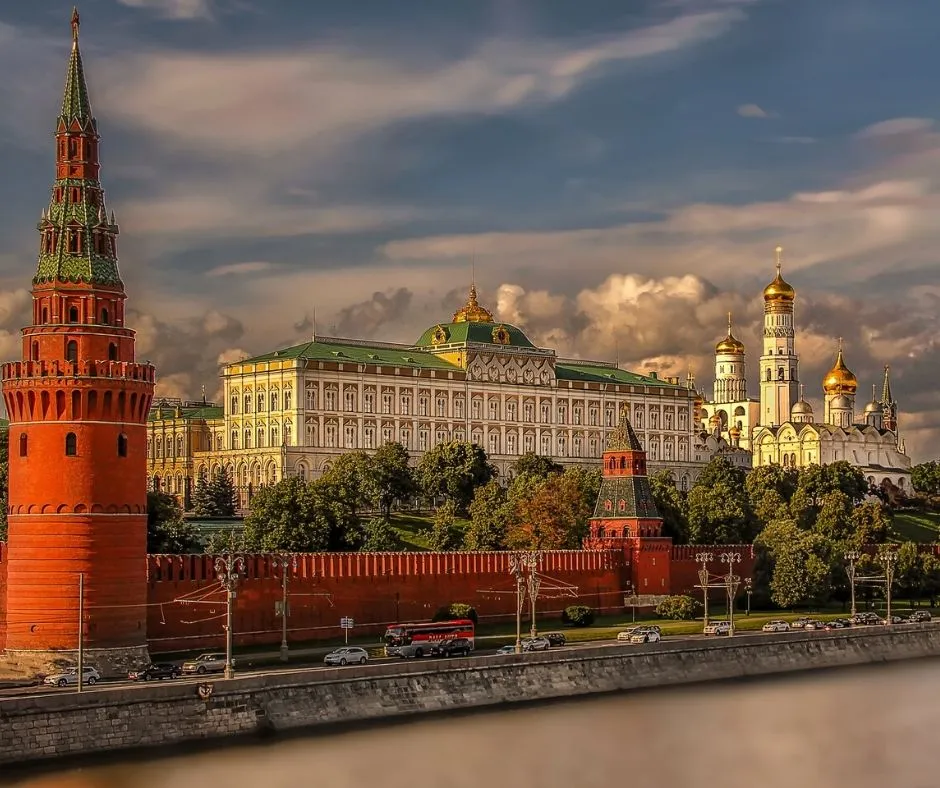
Do you want to live in Russia?Ever dreamed of wandering around Red Square or catching a ballet show at the Bolshoi Theatre? You can make that happen! Just make sure to get ready for your move. First, figure out why you’re heading to Russia—are you going there for school, work, or to be with family? That’ll help you know what kind of visa you need. To get it sorted, reach out to the Russian consulate.Before you even consider immigrating to Russia, you can find out what documents you will need. This will help you avoid unwanted surprises. But first things first.
Moving to another country is always a paper job, and Russia is no exception. Make sure that your passport is valid for the entire duration of your stay in the country, which is the most important thing. If the validity of your visa expires, it is better to take care of it in advance. You will still need a visa for the purpose of your visit. Are you going to work, study or travel? For each purpose, there is a certain type of visa, and your ability to legally reside in Russia depends on obtaining the correct one.
In addition to the passport and visa, you will need to pick up a package with supporting documents. This may be an invitation from your employer or educational institution if you are moving to work or study. If you are moving with your children, a survey of senior or elementary schools in Moscow, Russia, is also a key consideration. Do not forget to take out medical insurance, which will cover the cost of medical care in Russia. When considering how to move from the US to Russia, think of paper work as a crucial first step.
Initial challenges and how to overcome them
If you have decided to relocate to Russia, this is indeed a very bold step. But it will open up an incredible world with a rich history, fascinating culture, and truly limitless opportunities. However, in any country, the first steps taken by foreigners are always accompanied by quite natural difficulties. You need to be prepared for them. There is no need to be afraid. If you know in advance about the obstacles you will encounter, you can prepare for them and minimize the likelihood of stress. You will also be able to adapt to life in another country as quickly as possible. Considering how hard it is to move to Russia, preparation is the key.
The primary barrier has traditionally been the language. Many Russians, especially those living in large cities, are familiar with English. But in everyday life, you will need to speak Russian. Don’t despair. Initially, there will be difficulties. This is inevitable. But it is these difficulties that will motivate you to learn a new language. This will help you immerse yourself in the culture of another country.
A significant aspect of any move from one country to another is the cultural differences. Communication style and social rituals — certain peculiarities in Russia may seem strange at first. For example, it is not customary in Russia to smile broadly at everyone on the street. But this does not mean that Russians are unfriendly. If you need help, they will provide it without expecting anything in return.
Here are some tips to help you successfully adapt to life in Russia:
- Even a basic knowledge of Russian is enough to make life in Russia as easy as possible.
- Bureaucratic procedures require a significant amount of time. It is essential to prepare for this in advance.
- Don’t be afraid to ask others for help. It’s perfectly normal.
- It’s worth joining expat communities.
Don’t forget that moving to another country is an exciting adventure. It opens up completely new opportunities for development and growth. If you approach it the right way and have a positive attitude, you will be able to overcome all obstacles with ease. If you’re considering moving to Russia, it is worth preparing for the move in advance and taking all the necessary steps.
Setting up a family home in Russia. Tips and preparation
Moving to a new country is always an exciting adventure, especially when you bring your family with you. Russia, a country with a rich history, culture and diversity, can be a beautiful new home for you and your children. However, to make the transition as smooth and enjoyable as possible, careful preparation is required. One of the key aspects is the education of your children. In the major cities of Russia, such as Moscow, Saint-Petersburg, Kazan and Yekaterinburg, there is a large number of international and bilingual schools offering educational programs adapted to different curricula and language needs. In addition, in the cities of Russia there are schools where teachers study. You can explore a real-life example of preschool education in Russia at one of the leading institutions in Moscow.
Cultural differences are another aspect that may require adaptation. Russia has its own unique traditions, customs and social norms. For example, the style of communication may seem simpler and more formal than in your country. Public ethics also have their own characteristics: for example, they usually remove shoes at the entrance to the house, give flowers in odd numbers and respect the elders.
Adapting to a new country is a process that requires time, patience and openness. Do not be afraid to ask questions, seek help and contact other foreigners who have already settled in Russia. Build your network of contacts, attend events for foreigners, participate in volunteer projects and be open to new encounters.
A short list of valuable resources:
- Online Russian language courses
- Expat communities in Russia (online and offline)
- Legal advice on immigration issues
- Russian-English phrasebooks and dictionaries
- Cultural centers and museums offering programmers for foreigners
Advantages of living in Russia
Moving to a different country is always an exciting adventure, especially when you travel with your family. Russia, a country with a rich history and culture, could be a beautiful new home for you and your children. To make this transition as pleasant as possible, you need to prepare carefully. A key aspect is the education of your children. In the major cities of Russia, such as Moscow, Saint-Petersburg, Kazan and Yekaterinburg, there is a large number of international and bilingual schools offering educational programs adapted to the age, level of training and learning goals of students. Contact selected institutions in advance to learn about the admission process, documents and availability of places.
Cultural differences are another aspect that may require adaptation. Russia has its own unique traditions, customs and social norms. For example, the style of communication may seem simpler and more formal than in your home country. Social ethics also have their own characteristics: for example, they usually remove shoes at the entrance to the house, give flowers in odd numbers and give an older person a place in public transport.
Adapting to a new country is a process that requires time, patience and openness. Do not be afraid to ask questions, seek help and contact other foreigners who have already settled in Russia. Build your network of contacts, attend events for foreigners, participate in volunteer projects and be open to new encounters.
