

Many Kentucky towns want better recycling, but stop at the question of how to run a reliable collection program without overspending. You know the problem: limited budgets, shifting waste streams, and the need to keep service steady while trying new recycling routes. That pressure can slow progress and leave residents frustrated.
Renting the right vehicle is a fast way to test routes and add capacity without a large capital purchase. A well-chosen solution can lower upfront costs, reduce downtime, and enable you to try automated or roll-off collection at scale. In that spirit, consider a Kentucky garbage truck rental when you need flexibility and quick deployment.
In this blog, we’ll outline how common recycling programs map to specific truck types, what to look for in rental terms, and a practical checklist you can use when evaluating options. The guidance is written for you as a decision-maker, fleet manager, operations director, or executive so you can plan with clear steps and realistic costs.
Why Matching Program To Truck Matters
Choosing the wrong truck makes routing inefficient and raises operating costs. By matching the truck design to the recycling program and collection method, you can achieve better pickup times, lower fuel and maintenance expenses, and higher participation from residents. Below are the main program types most Kentucky municipalities and private haulers run:
- Curbside single-stream recycling (mixed materials collected at the curb).
- Curbside dual-stream or source-separated recycling (separate containers for paper and containers).
- Drop-off or depot sites using roll-off containers for periodic cleanups or events.
- Commercial recycling with frequent pickups and larger containers is needed.
Each program needs a different truck architecture and operational plan.
Truck Types And How They Fit Recycling Programs
Choose a truck that suits the program’s cycle times, container type, and labor model.
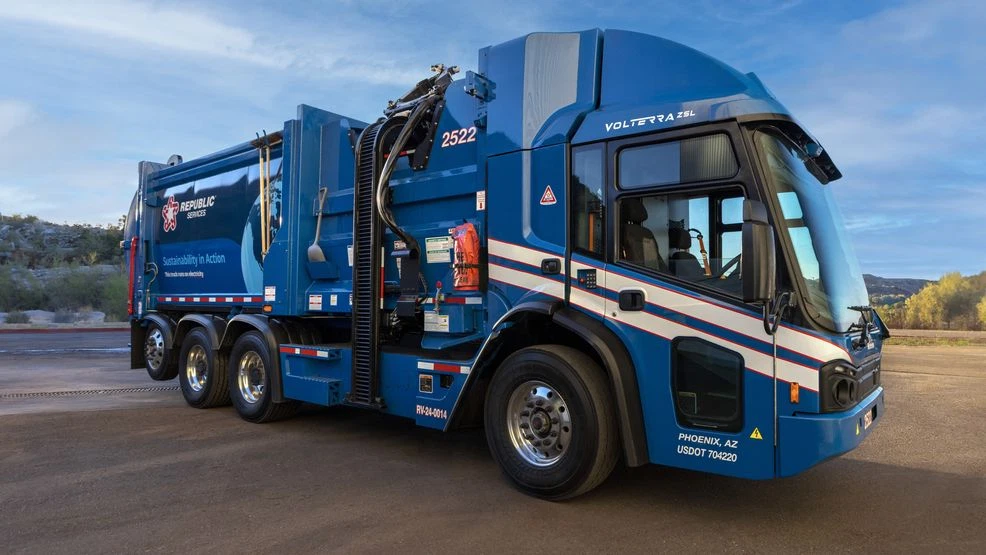
- Automated Side Load (ASL): Ideal for curbside single-stream pickups, allowing for one-person use with carts. ASLs improve route speed and lower labor cost per stop.
- Rear Loader: Flexible for mixed residential and small commercial routes. Rear loaders can handle bags and cans and are common where crews still manually load.
- Roll-Off Trucks: Ideal for drop-off centers, construction debris, and bulky item collection. Use roll-offs for community recycling events or temporary collection sites.
Common real-world models in rental fleets include Kenworth T880 roll-off units, Freightliner M2 automated side load units, and Pac-Tech or McNeilus bodies on residential rear loaders all available through dedicated rental suppliers. These models are noted for their yard capacity, lifting systems, and maintenance support.
Rental Programs: Options That Matter
Rental suppliers typically offer several program types; choose the one that best fits your budget and timeline.
- Short-Term Rentals (weeks to months): Good for seasonal spikes, pilot programs, or events.
- Long-Term Leases (several months to a year+): Ideal when you require a predictable monthly cost without the commitment of ownership.
- Lease-to-Own / Purchase Options: Useful if you decide the truck should move from rental to owned status after testing routes and demand.
Important contract features to compare:
- Delivery and pick-up fees (are they included or extra?)
- Maintenance responsibility and response time for breakdowns
- Driver training or orientation for specific bodies and lifting systems
- Insurance and CDL requirements (who must hold the CDL and insurance)
On many supplier pages, you’ll see transparent descriptions of fees and program lengths; use those to forecast total cost over the pilot period.
Practical Matching: Program Examples With Truck Recommendations
1. Small Town Curbside Cart Program
- Start with an automated side load on short-term rent to test routes and participation. ASL supports one-person crews and cart-based collections.
- Pilot for 3–6 months to gather route time, stops per hour, and maintenance logs.
2. Dual-Stream Pilot (Paper + Containers)
Use rear loaders or split-body collection vehicles if dual compartments are needed. Rear loaders also let crews handle occasional bulky items.
3. Construction / Event Recycling
- Roll-off trucks and containers. Rent roll-offs for set periods and schedule regular pulls during high-volume events.
4. Commercial Route Expansion
- Mix rear loaders and heavier roll-off assets for businesses producing cardboard and bulky cardboard bales.
Operational Checklist Before You Rent (Use This With Vendors)
- Do you need automated lifting (cart-based) or manual loading?
- Expected stops per route and desired service frequency.
- Driver licensing: who will operate the truck, and do they have the required CDL?
- Insurance coverage limits and whose policy applies during rental.
- Contract length and end-of-term options (return, extend, buy).
- Inclusion of regular maintenance and emergency breakdown response.
- Delivery/pick-up lead time and site access (weight limits, turning radius).
- Body capacity and yard capacity (expressed in cubic yards or tonnage).
Cost Factors And How To Keep Spending Practical
Key cost drivers:
- Truck type and body (ASL, rear loader, roll-off).
- Rental duration and seasonal demand.
- Delivery, pick-up, and any site-specific handling fees.
- Fuel, operator labor, and maintenance during the rental.
Ways to manage cost:
- Compare short-term versus long-term quotes for the same truck model.
- Use pilot data to justify a lease-to-own decision rather than an immediate purchase.
- Bundle several trucks on one contract for lower per-unit delivery fees.
Rental suppliers often quote transparent pricing and include maintenance packages to reduce surprise costs — ask for a line-item quote that includes delivery and pickup.
Safety, Training, And Compliance
Operating heavy collection vehicles requires compliance steps:
- Drivers must have the proper commercial driver’s license and appropriate endorsements. Rental providers commonly require proof of CDL and may offer brief orientation sessions on the specific model.
- Confirm local weight limits and route restrictions; some streets or bridges have axle limits that affect choice of vehicle.
- Review state and local recycling regulations to align container standards and collection frequencies.
Measuring Pilot Success
Track these KPIs during any rental pilot:
- Participation rate (households set out carts or bins).
- Stops per hour and route completion time.
- Contamination rate (non-recyclable materials in the stream).
- Cost per ton collected, including rental fee and labor.
- Maintenance incidents and downtime.
Collecting these metrics over a defined pilot period gives the facts you need to scale or change equipment strategy.
Final Steps: From Pilot To Program Scale
If pilot metrics show success, decide between extending rentals, moving to lease-to-own, or buying unit(s). Use pilot data to support procurement bids and to specify body type, capacity, and automation level.
Quick Action Plan:
- Pilot with the truck type that matches your collection method (ASL for carts; rear load for mixed collection; roll-off for events).
- Get a transparent, itemized rental quote that lists delivery, maintenance, and insurance.
- Require driver orientation and confirm CDL and insurance paperwork.
- Track the KPIs listed above for at least one service cycle (3–6 months).
- Use results to choose lease-to-own or purchase with specific body specs.
Closing Thought
When you match program design to the right truck, the gains are immediate: faster routes, clearer cost comparisons, and a smoother path to scale. Renting gives you the ability to experiment without large capital outlay and the agility to adopt mechanized collection where it proves effective. To review available models and program options for your county or town, consider a vendor that lists local inventory and offers clear rental programs, allowing you to get trucks in service quickly.
