

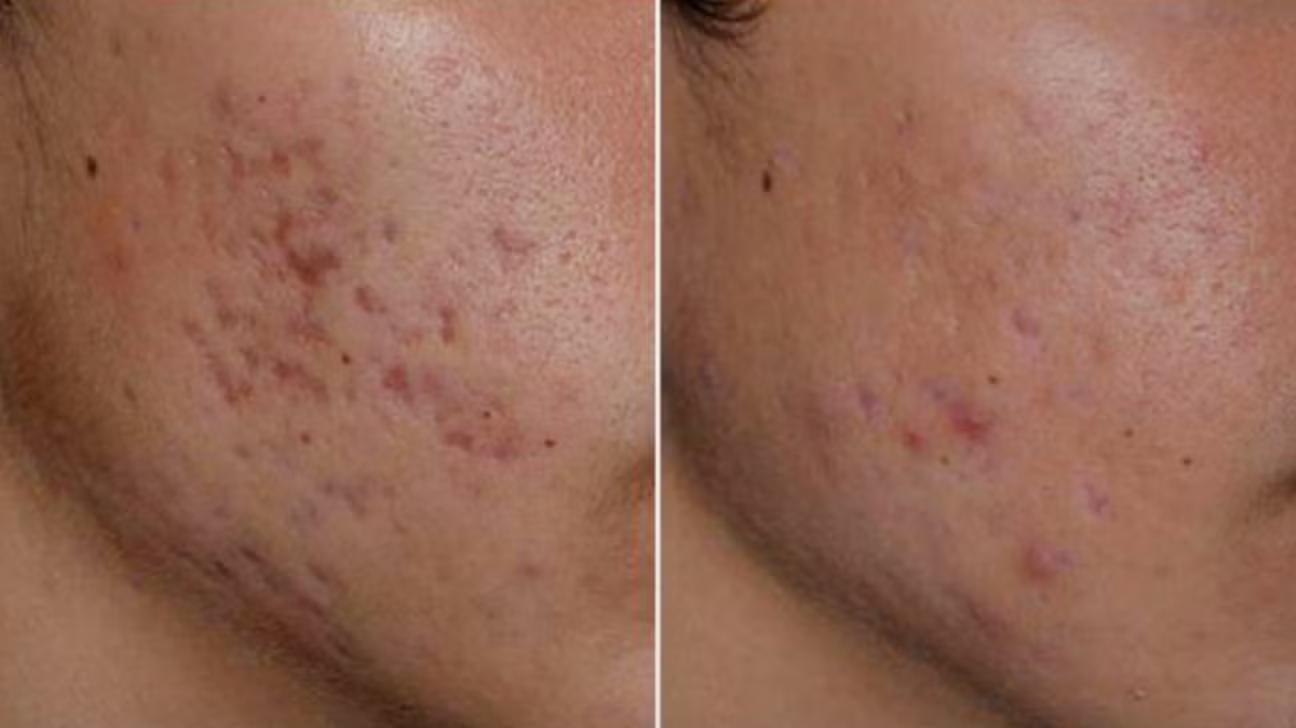
Acne scars do not really increase your risks for other diseases. What’s more, they are also usually not dangerous.
The problem with having acne scars is that they can feel like a pesky reminder of painful breakouts. If you’ve thought about getting rid of them, you may hesitate to seek treatment because you worry about more pain.
Speaking of considering treatment, if you’re in Singapore, ask about acne treatment here: https://dermatologycollective.sg/acne-vulgaris-acne-scars/. Away from that, the good thing with modern acne treatments is that many approaches can improve your skin texture with only mild discomfort.
In today’s guide, we will let you in on common acne treatment methods and compare pain levels so you understand which treatments suit your skin. But first;
Why get Rid of Acne Scars?
Acne scars affect more than your appearance as they can undermine your self-esteem and make you hide behind makeup. Even when breakouts stop, pits, bumps and rough patches often remain.
So, acne scars are treated to improve the skin’s appearance, boost self-esteem, and potentially prevent scars from worsening over time. While some acne marks fade naturally, many require professional treatment to reduce their visibility and address the psychological impact of visible scarring. If you’re considering acne treatment in Singapore, here are some of the best options you may be recommended;
- Chemical Peels: As the name suggests, chemical peels use acids like glycolic, salicylic or TCA to remove the top skin layer. As your skin sheds, it reveals smoother tissue underneath and triggers collagen production. Superficial peels cause only mild stinging, while deeper peels bring more intensity and longer recovery. You usually need several sessions spaced weeks apart for best results.
- Microneedling: Microneedling uses a device covered in tiny needles to create controlled micro-injuries in the skin. These small wounds prompt your skin to produce new collagen and elastin, filling in pits and evening out texture. A topical anaesthetic will be used to numb the area and reduce discomfort. Treatments take about 30 minutes, and you need three to six sessions for visible improvement.
- Laser Resurfacing: Laser resurfacing comes in two types: ablative and non-ablative. Ablative lasers vaporise a thin skin layer, while non-ablative lasers heat deeper skin tissue without removing the surface. Both methods boost collagen and smooth scars. Your practitioner will adjust the laser strength to balance results with downtime. You may need one to three sessions depending on scar depth.
- Dermal Fillers: Dermal fillers inject hyaluronic acid or collagen stimulators beneath depressed scars. They lift the scar base to make the surface look smoother instantly. Results last from six months to two years before you need a top-up. Most patients report only slight pinching during injections.
- Subcision: Subcision uses a tiny blade inserted under the scar to break fibrous bands pulling the skin down. Once released, the area fills with new collagen over weeks, lifting the scar naturally. Doctors apply local anaesthetic first, so you feel minimal pain. You might notice mild swelling and bruising for a few days.
Is Acne Scar Treatment Painful?
Most acne-scar procedures cause only mild to moderate discomfort. For chemical peels, you feel a stinging or tingling sensation as the acid works.
Microneedling feels like tiny pinpricks but becomes more tolerable once the numbing cream kicks in. Ablative lasers create a burning heat, while non-ablative lasers feel like light snaps on the skin.
Dermal filler injections register as quick pinches while subcision brings pressure more than sharp pain, as your doctor works under the skin. As earlier explained, skilled practitioners use anaesthetic gels or numbing injections to keep you comfortable.
Cooling devices or ice packs can also be used to further reduce pain. Your skin’s sensitivity, scar depth and the treatment’s intensity all affect how much you feel.
However, the good thing with expert acne scar treatment in Singapore is that the experts will always be keen to set device settings to balance results with comfort. Brief discomfort during treatment often gives way to soreness as your skin heals.
In most cases, you manage this at home with over-the-counter pain relief and follow-up care. Our pain threshold levels vary considerably though so be sure to inform your doctor if you feel pain.
How to Manage Pain During and After your Acne Treatment
Topical anaesthetic creams can be applied 30–45 minutes before your session to cut pain significantly. Always follow your practitioner’s instructions on when to arrive and how long to wait.
After treatment, you can use over-the-counter paracetamol or ibuprofen if cleared by your dermatologist to ease soreness without hindering healing. Apply cool compresses for 10–15 minutes at a time to calm redness and discomfort.
Importantly, try to remain hydrated to support skin repair, and avoid sun exposure, which can increase sensitivity. You can also use gentle moisturisers to try and restore your skin barrier and reduce itching.
As a general rule, you should contact your dermatologist immediately if you experience severe pain unrelieved by medication, heavy bleeding, pus or fever. These signs may indicate infection or an adverse reaction.
If you report these signs, a skilled dermatologist will examine the treated area, assess your symptoms and suggest appropriate steps. They may clean the site and prescribe a course of antibiotics.
You could be advised to use a cooling gel, swap painkillers or rest more to ease discomfort. In some cases, they might order a follow-up visit or blood tests to rule out deeper problems.
Until then, keep the area dry, avoid touching scabs and follow any care plan you received. If new irritation, swelling or redness appears, reach out without delay.
That act helps your skin heal. The bottom line is to stay alert and stick to aftercare advice to cut the risk of lasting marks and help your skin move on.
In Closing
Most acne-scar treatments cause only brief, manageable discomfort when you use proper anaesthesia and aftercare. Before consenting to a treatment, understand your pain threshold and follow expert guidance to achieve smoother skin you desire.
We can help you smooth your skin if its integrity was damaged by stubborn acne. Book a consultation at our Singapore clinic for personalised acne-scar treatments and expert pain management. See details below;
