

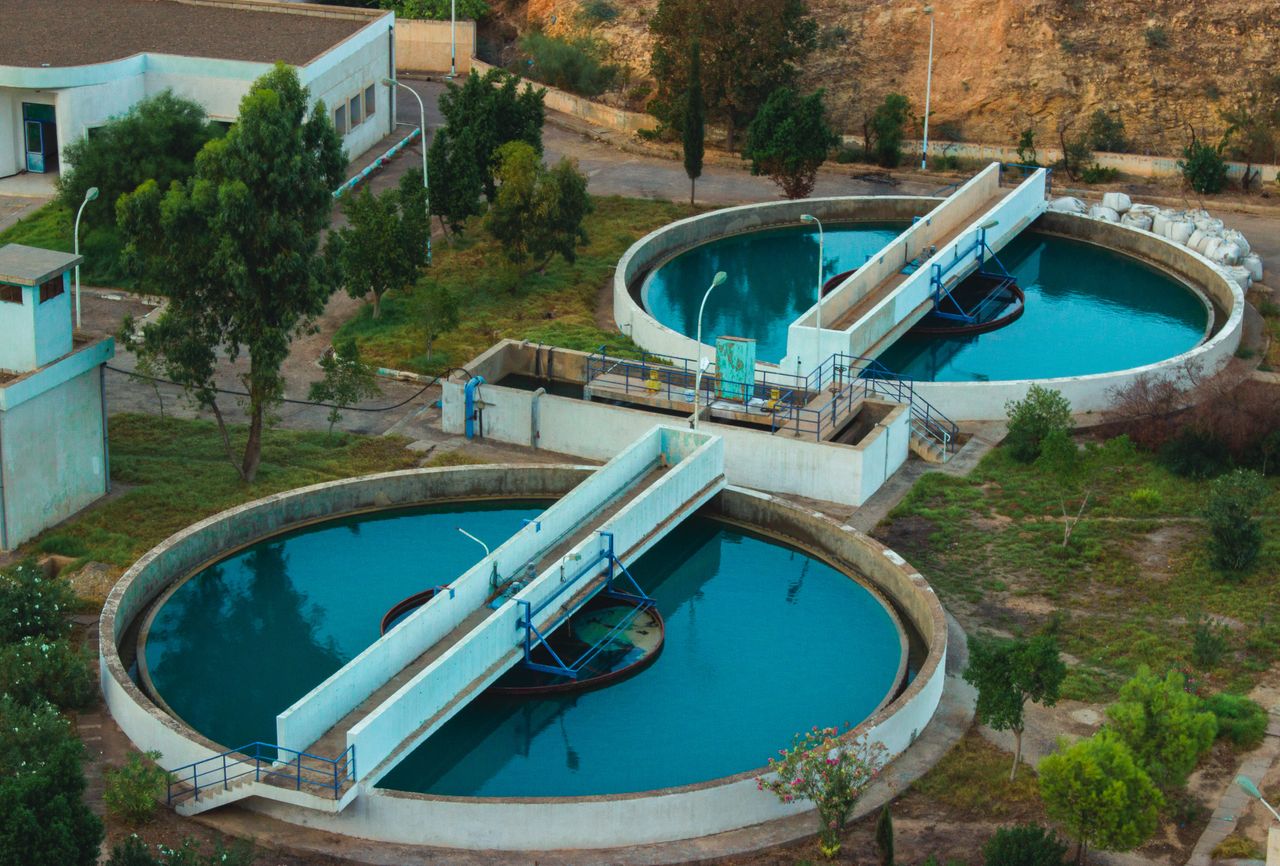
Water utilities, commercial facilities, agricultural operations, and residential developments require dependable distribution networks to deliver clean water every day.
Environmental exposure and mineral accumulation create severe mechanical stress across piping and treatment machinery. Professional servicing protects these systems against premature degradation and prevents sudden water supply failures.
Groundwater Remediation Services
Source water drawn from underground aquifers frequently carries industrial solvents, agricultural runoff, heavy metals, or dissolved solids before entering any surface facility. Remediation services address these contaminants underground or through surface extraction systems to stabilize raw water quality.
Municipalities and property owners contract specialized environmental engineering firms or licensed remediation contractors to conduct these cleanup programs.
Treating contaminated groundwater before distribution protects processing equipment and preserves public health standards.
Cooling Tower Maintenance
Large commercial facilities utilize cooling towers to transfer heat away from interior climate control and refrigeration systems.
Continuous evaporation inside the tower accelerates scale formation along interior fill panels and accelerates mineral buildup on distribution basins. Industrial water treatment contractors deliver maintenance packages that combine chemical descaling, basin vacuuming, corrosion control, and biological monitoring.
Regular servicing preserves thermal efficiency and prevents structural damage to heat exchange surfaces.
Closed-Loop System Treatment
Closed hydronic heating and chilled water loops circulate identical water volumes continuously throughout industrial complexes. Dissolved oxygen ingress and internal galvanic reactions cause deep pipe wall thinning when water chemistry remains unmonitored.
Facility engineers source chemical balancing and corrosion inhibitor treatments from mechanical service contractors or industrial water management firms. Routine chemical management maintains heat transfer efficiency and stops premature pipe wall perforation across internal distribution piping.
Commercial Water Filtration Servicing
Commercial enterprises such as food processors, laundry operators, hospitals, and beverage bottlers rely on dedicated filtration systems to supply clean process water. Particulate accumulation and mineral precipitation eventually clog filtration membranes, resulting in flow restrictions and degraded product output.
Regional water treatment vendors or commercial filtration contractors provide ongoing membrane cleaning and mechanical recalibration services. Scheduled servicing preserves operating water pressure while keeping equipment operating within regulatory production standards.
Biofilm and Corrosion Management
Bacterial colonies form stubborn biological layers on internal pipe surfaces, restricting water movement and sheltering dangerous pathogens. These biological accumulations accelerate under-deposit corrosion that degrades metallic piping and concrete water channels. Utility directors and commercial plant operators obtain chemical penetration and dispersant treatments from specialty chemical manufacturers.
Eradicating established biological growth protects structural integrity and restores clean fluid transit through the piping network.
Water Storage Tank Inspection and Rehabilitation
Potable water storage tanks hold distribution reserves and regulate water pressure across municipal and commercial zones.
Sediment settle-out, protective coating decay, seal deterioration, and structural rust degrade water quality when reservoirs remain uninspected. Infrastructure operators retain specialized tank maintenance companies or certified diving inspection teams to complete internal cleanouts and structural assessments. Regular evaluation catches structural weak points before major containment breaches interrupt local water delivery.
Municipal Water Treatment Plant Maintenance
Municipal water treatment plants represent primary public utilities that convert raw source water into safe tap water for general distribution. Deep filtration beds and clarifier basins accumulate heavy mineral encrustations and suspended solids during routine treatment operations.
Municipal utility boards procure chemical media cleaning and mechanical restoration through public bids awarded to specialty chemical manufacturers, like Blue Earth Products, or certified environmental service corporations.
Restoring existing filter media chemically eliminates the substantial expense of physical sand extraction and avoids prolonged facility shutdowns.
Legionella Control and Prevention Services
Large-scale plumbing networks and evaporative heat rejection systems present thermal zones where bacterial pathogens proliferate. Health agencies require rigorous oversight because uncontrolled microbial amplification creates severe health liabilities for building occupants.
Building managers retain certified water safety consultants or commercial chemical suppliers to implement comprehensive testing, continuous biocide dosing, system flushes, and emergency thermal remediation. Maintaining documented sanitation protocols keeps facilities compliant with public safety guidelines and stops hazardous microbial distribution.
Hydroponic Water System Sanitation
Controlled environment agriculture relies on closed nutrient solutions that feed commercial greenhouses and vertical farms directly.
Stagnant root residues, mineral salts, biological slime, and fungal spores disrupt oxygen delivery and ruin entire crop cycles.
Commercial agricultural technology providers or agricultural chemical specialists supply sanitation flushes and continuous systemic treatment solutions. Pure water pathways protect root systems and maintain consistent crop yields throughout consecutive harvest seasons.
Predictive Maintenance and Asset Monitoring
Mechanical pumps, actuated valves, flow meters, and chemical dosing injectors experience mechanical fatigue during ongoing water transit. Modern asset health services track operating vibrations and temperature trends to detect component wear before physical failure occurs.
Infrastructure teams purchase these sensor packages and analytical software platforms from industrial automation firms or water engineering consultancies.
Automated alerts allow operators to schedule component replacements during planned maintenance windows rather than responding to emergency pipe bursts.
Filter Media Laboratory Analysis
Granular media filters lose operational porosity when uncharacterized mineral cementation binds individual sand, gravel, anthracite, or garnet particles together. Diagnostic laboratory testing identifies specific deposit compositions and evaluates grain attrition through specialized chemical extractions.
Treatment plant operators ship core media samples to independent water testing laboratories or specialty chemical manufacturers offering analytical services. Exact mineral identification allows managers to select targeted chemical cleaning solutions rather than wasting resources on ineffective wash procedures.
Water infrastructure represents a significant public asset requiring systematic chemical and mechanical preservation.
Scale accumulation, biological contamination, structural oxidation, and mechanical exhaustion threaten supply networks across industrial and municipal sectors. Targeted chemical cleanings, comprehensive structural assessments, diagnostic testing, and electronic asset monitoring prevent disruptive system downtime.
Sourcing specialized services from qualified engineering contractors and chemical manufacturers preserves existing hardware for long periods. Proactive technical maintenance protects water quality and keeps vital distribution networks running without unexpected interruptions.
