

The data explosion in Drug Discovery
In recent years, drug discovery has transformed into a data-intensive discipline. Advances in genomics, proteomics, and chemical synthesis have produced massive datasets that hold hidden clues for new therapeutics. However, the challenge lies in connecting the complexity of biology with the vastness of chemical space. Traditional methods often struggle to scale, making the integration of new technologies critical to unlocking innovation.
What makes DNA-Encoded Libraries unique
One of the most powerful tools to address this challenge is the DNA-encoded library (DEL). This technology allows millions, or even billions, of compounds to be screened simultaneously by attaching unique DNA tags to small molecules. Each tag acts like a barcode, enabling researchers to identify binding interactions between molecules and biological targets with remarkable precision. DEL dramatically reduces time and costs compared to conventional high-throughput screening.
The role of Machine Learning
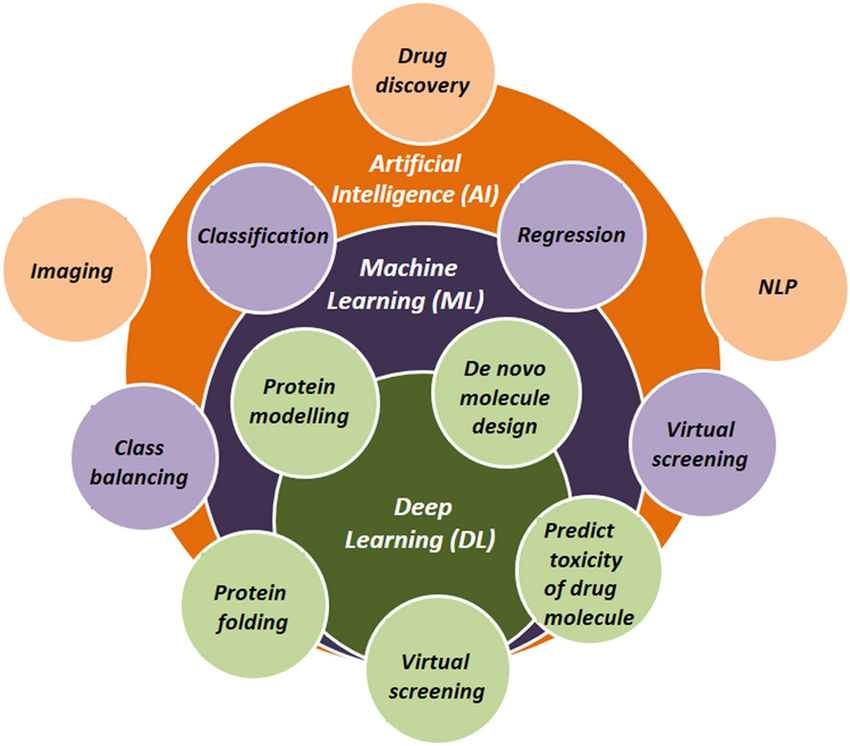
Yet, generating vast amounts of DEL data is only half the story. To turn this data into actionable insights, machine learning (ML) is increasingly applied. Algorithms can detect hidden patterns in molecular interactions, predict binding affinities, and prioritize the most promising candidates. Unlike traditional rule-based approaches, ML thrives on complexity, learning directly from experimental results and improving its predictive accuracy with every iteration.
Synergy between DEL and ML
When combined, DEL and ML create a powerful feedback loop. DEL experiments produce enormous datasets that serve as training material for ML models. In turn, ML helps design smarter DEL experiments by predicting which chemical scaffolds are most likely to succeed. This cycle accelerates the identification of drug candidates and enables researchers to explore previously uncharted regions of chemical space.
Benefits for modern Drug Discovery
The DEL-ML synergy delivers several clear advantages:
- Scalability – Billions of compounds can be explored efficiently.
Precision – ML-driven predictions reduce false positives and focus resources on the most viable hits. - Innovation – The combination opens the door to discovering molecules for targets once considered “undruggable”.
- Speed – By eliminating redundant experiments, drug discovery timelines can be shortened significantly.
Looking ahead
As drug development becomes increasingly complex, the integration of data-driven technologies will define the next generation of breakthroughs. DEL and ML exemplify how chemistry and big data can be merged to overcome long-standing barriers in drug discovery. Their synergy not only accelerates scientific progress but also brings us closer to developing life-changing therapies faster and more efficiently.
