

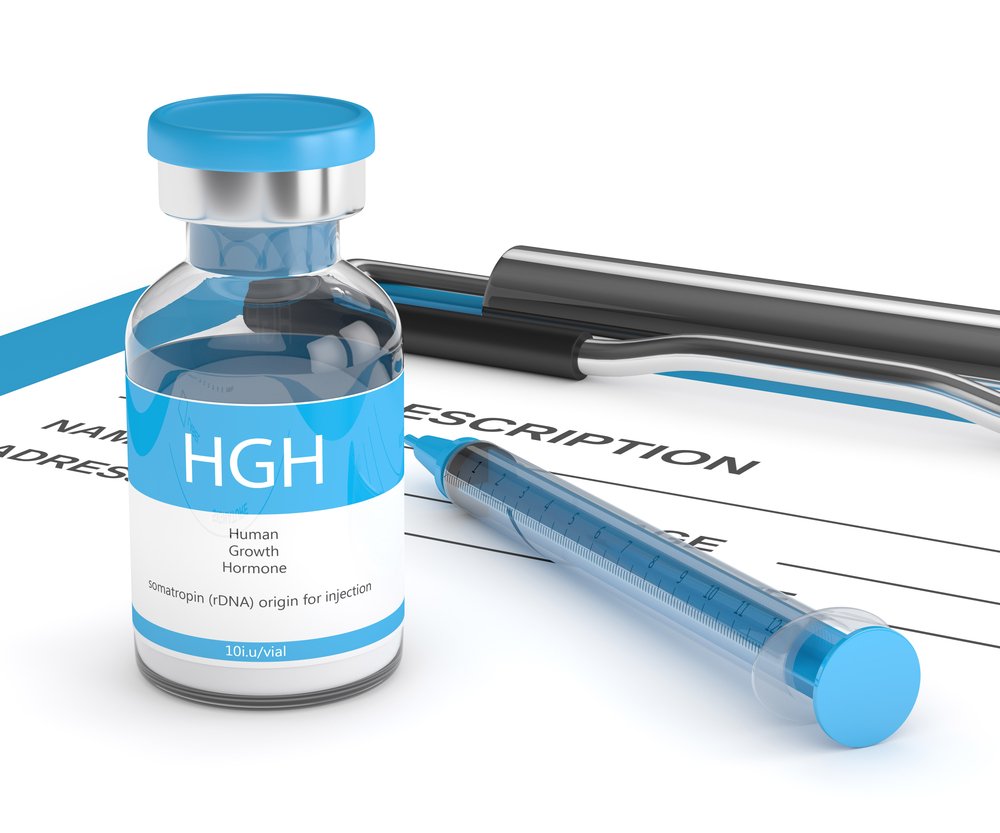
Adult-onset growth hormone deficiency (AGHD) negatively affects the lives of many Americans, according to a study from Oregon Health & Science University, which shows that approximately 50,000 adults have low or below-average human growth hormone blood levels. To appreciate why this is concerning, it helps to know the role of these hormones in the human body and the consequences of having too little of them in our bloodstream.
Human growth hormones (HGH) are peptide hormones or hormones composed of peptide molecules secreted by the hypothalamus and pituitary glands. These glands are part of the body’s endocrine system, a network of glands that produce hormones that act as chemical messengers to help regulate numerous bodily functions.
In childhood, human growth hormones secreted by the hypothalamus and pituitary glands work with hormones secreted by the liver known as insulin-like growth factor 1 (IGF-1) to influence height and the development of healthy bones and muscles. In adulthood, HGH works with IGF-1 to help support and regulate immune system function, muscle growth, strength, sugar and fat metabolism, heart function, and more. When HGH levels in the body go outside the realm of normal, it can disrupt these and a whole host of other bodily functions.
What Constitutes Low Human Growth Hormone Levels?
Several studies show that HGH levels between 1 and 14 nanograms per milliliter (ng/mL) or 44 and 616 picomoles per liter (pmol/L) are considered healthy and normal for premenopausal women. Meanwhile, 0.4 to 10 ng/mL or 18 to 44 pmol/L is considered normal and healthy for men. The same studies show that aging is the primary cause of low or below-average growth hormone (GH) levels in men and women, a process during which maintaining overall cellular health with compounds like myo-inositol can be beneficial. After age 30, the pituitary and hypothalamic glands naturally produce and release fewer human growth hormones into the blood. Along with aging, the following are also common causes of human growth hormone deficiency among men and women:
- Autoimmune conditions
- Brain surgery
- Genetics
- Head injuries
- Long-term use of certain steroid medications, such as prednisone, methylprednisolone, and hydrocortisone
- Menopause in women
- Radiation treatments involving the head or neck
- Tumors, growths, and adenomas affecting the pituitary, hypothalamus, or any other endocrine gland
What Symptoms Are Associated With Human Growth Hormone Deficiency?
When someone’s growth hormone levels fall below the normal and healthy range, they can experience numerous unpleasant symptoms, all of which can adversely affect their health and overall quality of life. Some of the more notable of these include the following:
- Anxiety and depression
- Chronic headaches
- Decreased metabolism and libido
- Elevated cholesterol and blood pressure levels
- Erectile dysfunction (ED) in men
- Fatigue
- Hair loss
- Mood swings
- Reduced muscle mass and strength
- Thin, saggy, dry, or brittle skin
- Weight gain
Treatment Options for Individuals Suffering From Human Growth Hormone Deficiency
For a large proportion of people diagnosed with an HGH deficiency, adopting healthy lifestyle habits is usually enough to normalize growth hormone levels in their blood and provide some much-needed relief from deficiency-related symptoms. Examples of healthy lifestyle habits include consuming a nutrient-dense, well-rounded diet, exercising regularly, and drinking plenty of water throughout the day to remain hydrated.
Eliminating or reducing stress and getting at least seven hours of deep, restorative sleep each night are also helpful. Making it a point to take certain dietary supplements, like arginine, lysine, and ornithine, can also aid in normalizing low growth hormone levels. For those looking to explore natural options, platforms like Amazon.com offer a wide range of supplements to support overall hormonal health. It is worth noting, however, that healthy lifestyle habits and supplements are not enough to boost low growth hormones in everyone. Thankfully, there is hormone replacement therapy (HRT), a medicinal treatment that involves using prescription drugs to stimulate HGH production in the body.
The Truth About HGH Results: What To Expect While on an HRT Regimen
Several FDA-approved medications can be part of an HRT regimen. Some commonly prescribed ones include Humatrope, Nutropin and Nutropin AQ, Norditropin, and Saizen. Protropin, Sogroya, and Genotropin are also quite common. Multiple factors can influence how quickly someone will see HGH results after starting an HRT regimen that includes any of these medications, some of which include their age, the severity of their HGH-related deficiency, the specific medication they are taking, the medication dosage, and treatment duration.
Keeping that all in mind, most men and women notice subtle improvements in energy and sleep after 1 to 2 weeks of starting HRT. After around 3 to 6 weeks, many notice increased muscle mass and fat loss. They also notice improvements in focus, mood, and cognitive function. And after following an HRT regimen for 3 to 6 months, most experience even more fat loss and improved bone density and stamina. Many also notice the following:
- Further increases in lean muscle mass
- Greater strength and stamina
- Improvements in mood and overall well-being
- Increased libido and sexual function
- More restful sleep
In summary, most people see small results within weeks of starting HRT and substantial results after just a few months. Of course, some people experience much faster results when they combine healthy lifestyle habits with HRT.
