

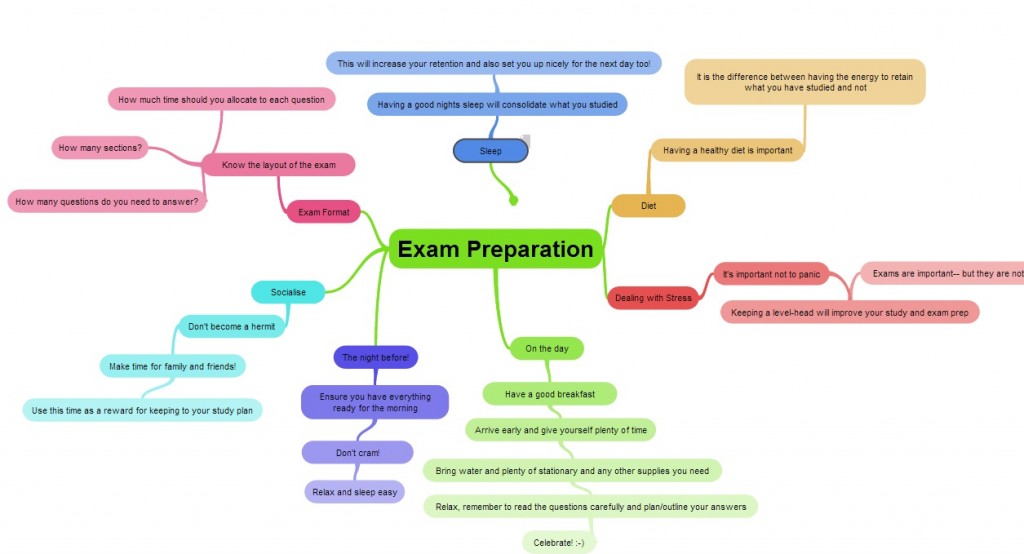
Banking examinations represent a significant gateway for aspirants seeking stable and prestigious careers in the financial sector. The IBPS PO Preliminary examination is a crucial first step toward securing a Probationary Officer position in participating public-sector banks. While traditional preparation methods focus on comprehensive syllabus coverage, developing a mental map through strategic mock test feedback creates a more dynamic and practical preparation approach.
Aspirants who integrate regular practice tests into their study routine gain valuable insights into the examination pattern and identify personal strengths and weaknesses. The IBPS PO Prelims mock test series is an assessment tool and a roadmap for targeted improvement, helping candidates visualize connections between various topics and optimize their preparation strategy. Let’s explore how feedback from mock tests can transform examination preparation.
Understanding the Cognitive Benefits of Mock Test Analysis
Mock tests do more than simulate examination conditions—they actively rewire the brain to process information more efficiently. When candidates analyze performance data from practice tests, cognitive frameworks form, creating mental connections between related concepts. This neurological mapping helps retain information longer and retrieve it faster during the actual examination. Research indicates that students who regularly evaluate their mock test performances develop stronger metacognitive skills—understanding one’s thinking processes.
Identifying Knowledge Gaps Through Sectional Performance
Mock test analysis provides granular insights into sectional performance, highlighting specific areas that require additional attention. When reviewing Reasoning Ability sections, candidates might discover challenges with certain puzzle types or logical sequence questions. Quantitative Aptitude results might reveal strengths in simplification but weaknesses in data interpretation. English Language sections often expose patterns in comprehension difficulties or grammatical confusion. By recording these observations systematically after each mock test, candidates develop a comprehensive understanding of their knowledge landscape, including:
- Topic-wise performance fluctuations over time
- Question types consistently answered incorrectly
- Time consumption patterns across different sections
- Accuracy rates for various difficulty levels
- Subject areas showing improvement or decline
Adapting Study Strategies Based on Performance Analytics
Mock test feedback generates valuable data points that should directly influence study methodologies. When patterns emerge from multiple tests, candidates can implement targeted interventions based on objective evidence rather than subjective perceptions of preparedness. For instance, if data suggests consistently low scores in certain mathematical concepts, candidates might benefit from revisiting foundational principles rather than practising advanced problems. Similarly, language section feedback might indicate the need for vocabulary expansion or increased reading practice.
Developing Exam Temperament Through Simulated Pressure
The psychological aspects of examination preparation often receive insufficient attention, yet they significantly impact performance. Regular engagement with the IBPS PO Prelims mock test builds mental resilience by exposing candidates to examination pressure in controlled environments. Mock tests create opportunities to develop stress management techniques, overcome anxiety triggers, and build concentration stamina. The feedback from these experiences forms another layer of the mental map that addresses emotional and psychological responses to examination conditions.
Tracking Progress and Celebrating Milestones
Effective mental mapping includes recognizing improvement patterns and acknowledging achievements. Mock test schedules should consist of regular assessment points where candidates review long-term progress rather than focusing exclusively on individual test scores. Creating visual representations of performance trajectories helps maintain motivation during the preparation phases. Charts displaying accuracy improvements, time management enhancements, or growing attempt counts provide tangible evidence of development.
The IBPS PO Prelims mock test becomes not merely a practice tool but the cornerstone of an integrated preparation strategy designed for optimal results. Banking aspirants serious about maximizing their potential should consider incorporating structured mock test series into their preparation plans, using the feedback to continuously refine their approach and strengthen their mental mapping of this challenging examination.
