

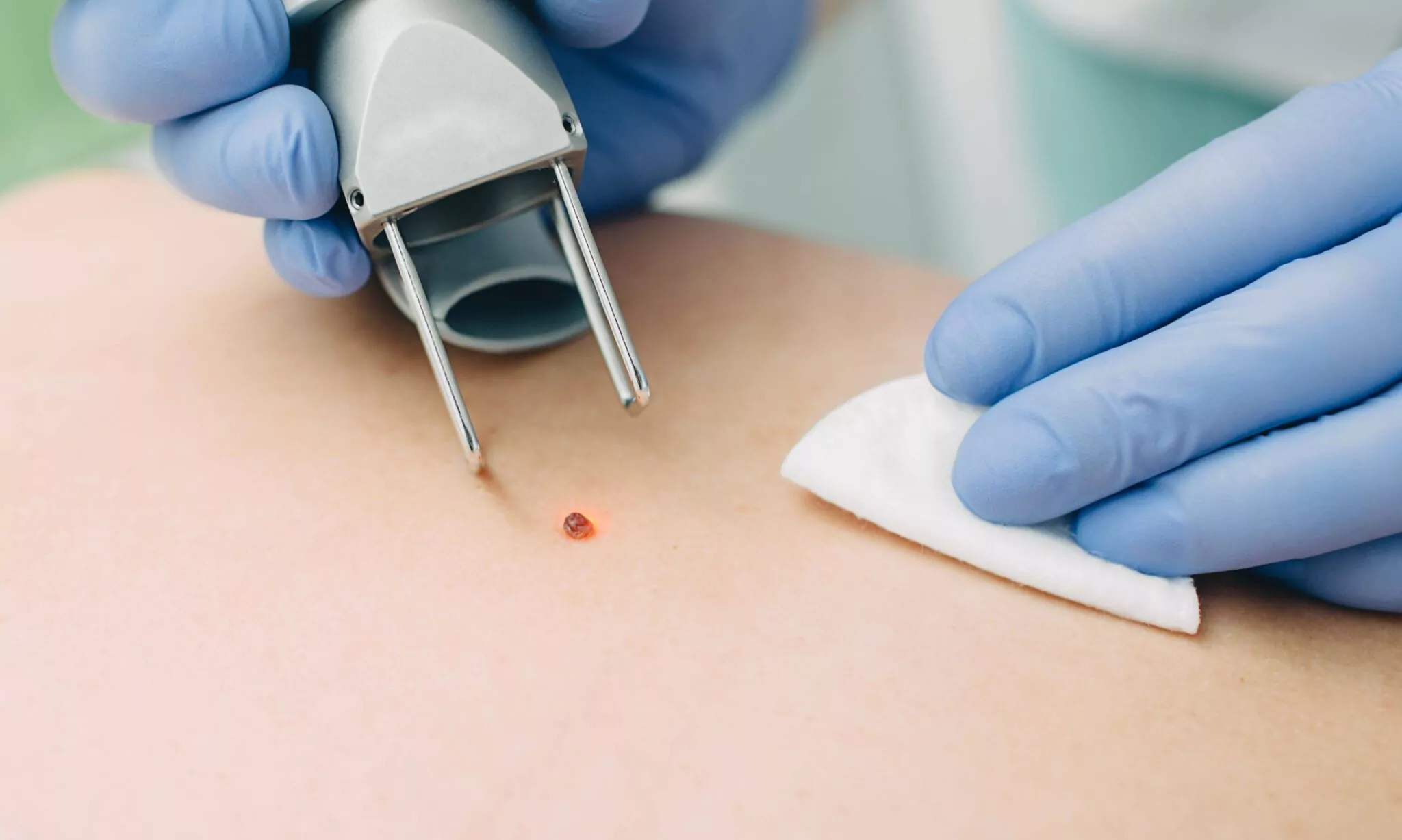
Skin tags are small, soft, harmless growths that often appear on areas where the skin folds, such as the neck, underarms, eyelids, or groin. Although they are generally benign, skin tags can cause irritation, discomfort, or self-consciousness about appearance.
Fortunately, there are effective ways to remove them safely, including both surgical and non-surgical methods. For those looking for professional guidance on treatment options, you can read more about skin tag treatment in Singapore at https://apaxmedical.com/skin-tag-removal-surgery/.
What Are Skin Tags? Common Causes and Risk Factors
Skin tags, medically known as acrochordons, are small, soft, flesh-coloured growths that typically hang off the skin by a thin stalk. They are generally harmless and painless, but their appearance can be bothersome, especially when they rub against clothing or jewelry.
Skin tags are extremely common and tend to increase in number with age. Several factors can contribute to the development of skin tags, including:
- Friction and skin folds – Areas where skin rubs against skin, such as the neck, underarms, or groin, are more prone to developing skin tags.
- Genetics – A family history of skin tags can increase the likelihood of developing them.
- Hormonal changes – Pregnancy or other hormonal fluctuations can trigger new skin tags.
- Obesity – Increased skin folds and friction make skin tags more common in individuals with higher body weight.
- Medical conditions – Certain conditions, such as diabetes or insulin resistance, are associated with a higher occurrence of skin tags.
Understanding these causes and risk factors helps in identifying why skin tags appear and can guide decisions on preventive measures or removal methods.
Signs You May Need Skin Tag Treatment
While most skin tags are harmless and do not require removal, there are certain situations where treatment may be necessary. Skin tags can sometimes become irritated, catch on clothing or jewelry, or simply cause cosmetic concerns.
Knowing the signs that indicate a need for treatment can help prevent discomfort and complications. Some of the key signs that you may need professional skin tag treatment include:
- Pain or irritation – If a skin tag rubs against clothing, jewelry, or skin folds, it can become sore or inflamed.
- Rapid growth – Sudden changes in size or shape can indicate the need for assessment.
- Bleeding or discharge – Skin tags that are accidentally scratched or repeatedly irritated may bleed or ooze.
- Cosmetic concerns – Many people choose removal for aesthetic reasons, especially if skin tags are visible on the face, neck, or other prominent areas.
- Multiple skin tags in sensitive areas – Clusters of skin tags in areas such as the eyelids or groin may require medical evaluation.
Recognising these signs early allows for timely treatment, reducing the risk of further irritation or complications while providing better results with less invasive procedures.
Non-Surgical Skin Tag Treatment Options
For many patients, non-surgical methods provide a safe and effective way to remove skin tags with minimal discomfort and downtime. These treatments are often preferred for smaller or less complicated skin tags, and they can usually be performed in a clinic setting without the need for anaesthesia.
Common non-surgical options include:
- Cryotherapy – This method involves freezing the skin tag with liquid nitrogen, causing it to fall off after a few days. Cryotherapy is quick and generally well-tolerated, though some mild redness or blistering may occur.
- Cauterisation – In this procedure, the skin tag is burned off using heat or an electric current. Cauterisation can be precise and reduces the risk of bleeding.
- Topical treatments – Certain medicated solutions may be applied to small skin tags to gradually remove them over time. These are usually less commonly used in professional clinics due to slower results and limited effectiveness on larger tags.
Non-surgical treatments offer several advantages, including shorter recovery times, minimal scarring, and a low risk of complications.
Surgical Skin Tag Treatment Options
Surgical removal is often recommended for larger, thicker, or multiple skin tags, or when a quick and definitive solution is desired. These procedures are typically performed in a clinic under local anaesthesia, making them safe and well-tolerated.
Common surgical methods include:
- Excision with a scalpel or scissors – The skin tag is carefully cut off at its base, providing immediate removal. This method is precise and allows for complete extraction, reducing the risk of regrowth.
- Minor in-office procedures – Some dermatologists use specialized tools to remove multiple skin tags in a single session, often with minimal bleeding and discomfort.
Surgical removal offers several advantages over non-surgical methods. It is highly effective for larger or stubborn skin tags, provides immediate results, and allows the tissue to be examined if needed.
Aftercare and Recovery
Proper aftercare is essential to ensure optimal healing and reduce the risk of complications following skin tag removal. For both surgical and non-surgical procedures, keeping the treated area clean and dry is important to prevent infection. Patients should avoid scratching, picking, or rubbing the site, as this can delay healing or cause irritation. Mild redness or tenderness is normal and usually subsides within a few days.
Recovery times can vary depending on the size and number of skin tags removed, as well as the method used. Non-surgical treatments often heal quickly, sometimes within a week, while surgical excision may require slightly longer for complete healing. Monitoring the area for any signs of infection, unusual swelling, or delayed healing is recommended.
Conclusion
Skin tags are common and generally harmless, but they can cause discomfort, irritation, or self-consciousness. Understanding the differences between surgical and non-surgical options helps in choosing the most suitable treatment for each individual case.
Timely removal not only improves comfort and appearance but also ensures safer, more effective outcomes with minimal downtime. If you are concerned about skin tags or want professional advice on the best treatment method, consult our specialists at:
APAX Medical & Aesthetics Clinic – Acne & Acne Scars Clinic Singapore
1 Woodlands Rd, #02-11 Junction 10, Singapore 677899 (Bukit Panjang Branch)
212 Hougang St 21, #01-331, Singapore 530212 (Kovan Branch)
Phone: +65 6769 6007
