

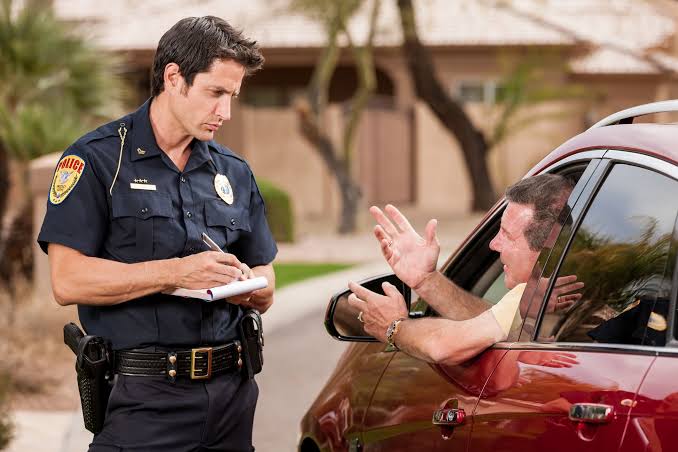
Across Texas, nights out can mean long drives between entertainment districts, venues, restaurants, and home. That distance decides who gets behind the wheel, especially when alcohol enters the picture. A person who felt prepared to drive earlier can face a very different situation several hours later. One poor choice can result in a DWI arrest, a collision, or legal problems that follow someone long after the evening ends. Deciding how everyone will get home before going out removes a difficult choice at a moment when judgment may already be impaired. It also gives friends a clear way to step in if driving no longer looks safe.
When an arrest does occur, Shane Phelps Law criminal defense lawyers can explain the legal process and the options available under Texas law. Prevention, however, begins much earlier. Planning transportation before you leave gives everyone a safer way to enjoy the night and get home without taking an unnecessary risk.
Understand The Stakes Before Leaving
A decision to drive after drinking can lead to an arrest, license consequences, financial costs, and serious injuries. A crash can affect passengers, other motorists, pedestrians, and families who had no connection to the evening.
People facing individual legal concerns should obtain information from an appropriate source, including criminal defense lawyers. Legal advice addresses what happens after an incident, while transportation planning reduces the chance of an unsafe decision. The two issues require different steps.
Choose The Driver Before The Event
A designated driver needs a clear assignment before the group arrives. Everyone should know who accepted responsibility, and that person should agree to remain sober throughout the evening.
The plan shouldn’t depend on someone volunteering after drinks are served. A group can confirm the driver during the initial planning conversation, then make sure that person has the vehicle keys and knows the pickup location.
A driver also needs enough rest and attention to operate the vehicle safely. Alcohol is not the only concern. Fatigue, medication, distraction, poor visibility, and severe weather can make driving unsafe.
Set Specific Pickup Details
Large Texas events often create traffic restrictions, crowded parking areas, and temporary road closures. A group should check the venue’s parking instructions and select a recognizable pickup point before the event begins.
Each person should know where to meet, when to leave, and who will confirm that everyone has reached the vehicle. A shared itinerary can reduce confusion when phone service becomes unreliable or a crowd separates the group.
Extra travel time also matters. Rushing through a crowded venue or making sudden lane changes increases pressure during the trip home. A realistic departure plan gives the driver time to leave carefully.
Build A Backup Ride Home
Every group needs a second plan because the original arrangement can fail. The designated driver could become ill, lose access to the vehicle, feel too tired to continue, or decide that driving is unsafe.
Possible alternatives include another sober driver, a taxi, a rideshare service, available public transportation, or an overnight stay. The group should identify at least one practical backup before arriving at the event.
A backup plan works only when people can use it. Phones should have sufficient battery power, payment methods should be available, and pickup instructions should remain accessible without relying on one person’s phone.
Treat Changing Conditions Seriously
Someone who planned to drive after dinner may change their mind later. The same applies when an event runs longer than expected, weather worsens, or the driver becomes distracted or exhausted.
No one should pressure another person to drive because the original plan included that person. A simple statement that driving no longer feels safe should lead directly to the backup arrangement.
Friends can support the decision without arguing about whether the driver is “fine.” Removing debate from the moment makes it easier to choose a safer ride.
Keep The Plan Practical
A transportation plan should match the event, group size, location, and expected departure time. A single driver may work for a small dinner, while a large concert group needs separate meeting and vehicle arrangements.
People should exchange basic contact information and identify who will check that everyone has left safely. Event organizers and hosts can repeat transportation details without taking responsibility for each guest’s choices.
The group should also secure the vehicle before entering the venue. Keys should remain with the designated driver, and no one should take them later without the driver’s agreement.
Know When Not To Drive
If a driver feels uncertain about concentration, alertness, or vehicle control, they should not continue. The correct response is to stop driving and use the backup plan.
That decision applies after drinking, but it also applies after a long day, during heavy rain, or when medication causes drowsiness. A person does not need to prove impairment before choosing another ride.
Leaving the vehicle overnight is often safer than trying to reach home while conditions are uncertain. The group should treat that option as part of planning, not a failure.
Conclusion
Planning the ride home before a Texas event gives people a clear response when the evening changes. Select the driver early, set a meeting point, charge phones, and identify a backup that the group can use without delay. Each person should also agree that an uncertain driver will not continue. Before leaving home, the group should confirm who holds the keys and how everyone will get home. That short conversation can prevent a costly decision later.
