

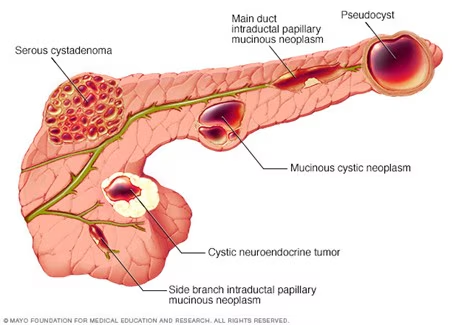
Pancreatic cysts are fluid-filled sacs that develop within the pancreas, an organ crucial for digestion and blood sugar regulation. While many pancreatic cysts are harmless and may not cause symptoms, some have the potential to develop into cancer over time. Because it can be difficult to determine which cysts pose a risk, consulting a pancreatic cancer specialist is essential.
A pancreatic cancer specialist can accurately assess the type of cyst, evaluate its potential for malignancy, and recommend the most appropriate monitoring or treatment plan, ensuring timely and effective care. Read on to learn about the different types of pancreatic cysts and when you should seek specialist evaluation.
Types of Pancreatic Cysts
Not all pancreatic cysts are the same, and understanding their type is key to determining their potential risk. The most common types include serous cystadenomas, mucinous cystic neoplasms, and intraductal papillary mucinous neoplasms (IPMNs).
Serous Cystadenomas
Serous cystadenomas are generally benign and rarely turn into cancer. They are often discovered incidentally during imaging for unrelated conditions and may not require immediate treatment unless they grow large enough to cause discomfort.
Mucinous Cystic Neoplasms
Mucinous cystic neoplasms carry a higher risk of malignancy. These cysts contain a thick, mucous-like fluid and are more commonly found in women. Due to their potential to develop into pancreatic cancer, they usually require closer monitoring or surgical removal based on size and other risk factors.
Intraductal Papillary Mucinous Neoplasms (IPMNs)
IPMNs form in the pancreatic ducts and can block the flow of digestive enzymes, sometimes causing pancreatitis. Specialists evaluate features such as duct involvement, cyst size, and the presence of nodules to determine the risk and recommend the appropriate management.
Other less common pancreatic cyst types exist, but these three account for the majority of cases and are the primary focus when assessing cancer risk.
Symptoms That May Signal a Problem
While many pancreatic cysts do not cause noticeable symptoms, certain signs may indicate a cyst is potentially concerning and should be evaluated by a pancreatic cancer specialist.
Common symptoms to watch for:
- Abdominal Pain or Discomfort: Persistent or unexplained pain in the upper abdomen or back, which may worsen after eating.
- Jaundice: Yellowing of the skin or eyes caused by bile duct blockage. This may also lead to dark urine, pale stools, and itching.
- Digestive Changes: Nausea, vomiting, or loss of appetite, which can occur if the cyst affects normal pancreatic function.
- Unexplained Weight Loss: Losing weight without changes in diet or activity can signal that the cyst is interfering with digestion or metabolism.
Even when symptoms are mild or intermittent, early consultation with a pancreatic cancer specialist is important. Many pancreatic cysts remain silent for years, and timely assessment helps determine whether monitoring or treatment is necessary.
Why You Need a Pancreatic Cancer Specialist
Consulting a pancreatic cancer specialist ensures accurate diagnosis and expert management of pancreatic cysts. These specialists have advanced training in hepatopancreatobiliary (HPB) conditions and can differentiate between benign cysts and those with malignant potential.
Their expertise allows for personalized treatment plans, whether it involves careful monitoring or surgical intervention.
Key benefits of seeing a specialist:
- Precise risk assessment for each type of cyst
- Guidance on imaging, biopsy, and lab tests
- Recommendations for monitoring or surgery based on size, location, and malignancy risk
- Minimally invasive treatment options when surgery is needed
Diagnostic Tools and Tests
Getting the right diagnosis is very important for pancreatic cysts. A pancreatic cancer specialist uses different tests to find out whether a cyst is harmless or could become cancer.
These tests help decide the best next steps. Some common tests include:
- CT scans and MRI: Show the size, shape, and location of the cyst.
- Endoscopic Ultrasound (EUS): A small camera with ultrasound is used to look closely at the cyst.
- Cyst Fluid Analysis: Fluid may be taken from the cyst to check for abnormal cells or cancer markers.
- Blood Tests: Certain markers can show inflammation or possible cancer.
Using these tests together, a specialist can decide if a cyst needs regular monitoring or surgery, making sure it is managed safely and effectively.
Treatment Options and Monitoring
Treatment for pancreatic cysts depends on the type of cyst and its risk of becoming cancerous. A pancreatic cancer specialist will recommend the most suitable approach based on your test results, symptoms, and overall health.
For cysts that are low-risk and unlikely to turn cancerous, regular monitoring is usually enough. This may include periodic CT scans, MRI, or endoscopic ultrasounds to check for any changes in size or appearance. Monitoring helps catch any potential problems early without unnecessary surgery.
If a cyst has a higher risk of cancer or is causing symptoms such as pain, jaundice, or digestive problems, the specialist may suggest surgical removal. Surgery can range from minimally invasive procedures to more extensive operations, depending on the cyst’s location and size.
Even after surgery, follow-up care is important. The specialist will continue to monitor the pancreas to ensure there are no new cysts or complications.
Summary
Pancreatic cysts can range from harmless to potentially serious, and knowing when to seek specialist care is key to protecting your health. Early evaluation by a pancreatic cancer specialist can help determine the right approach ensuring the best possible outcome. If you have been diagnosed with a pancreatic cyst or are experiencing symptoms, don’t wait. Schedule a consultation with:
