

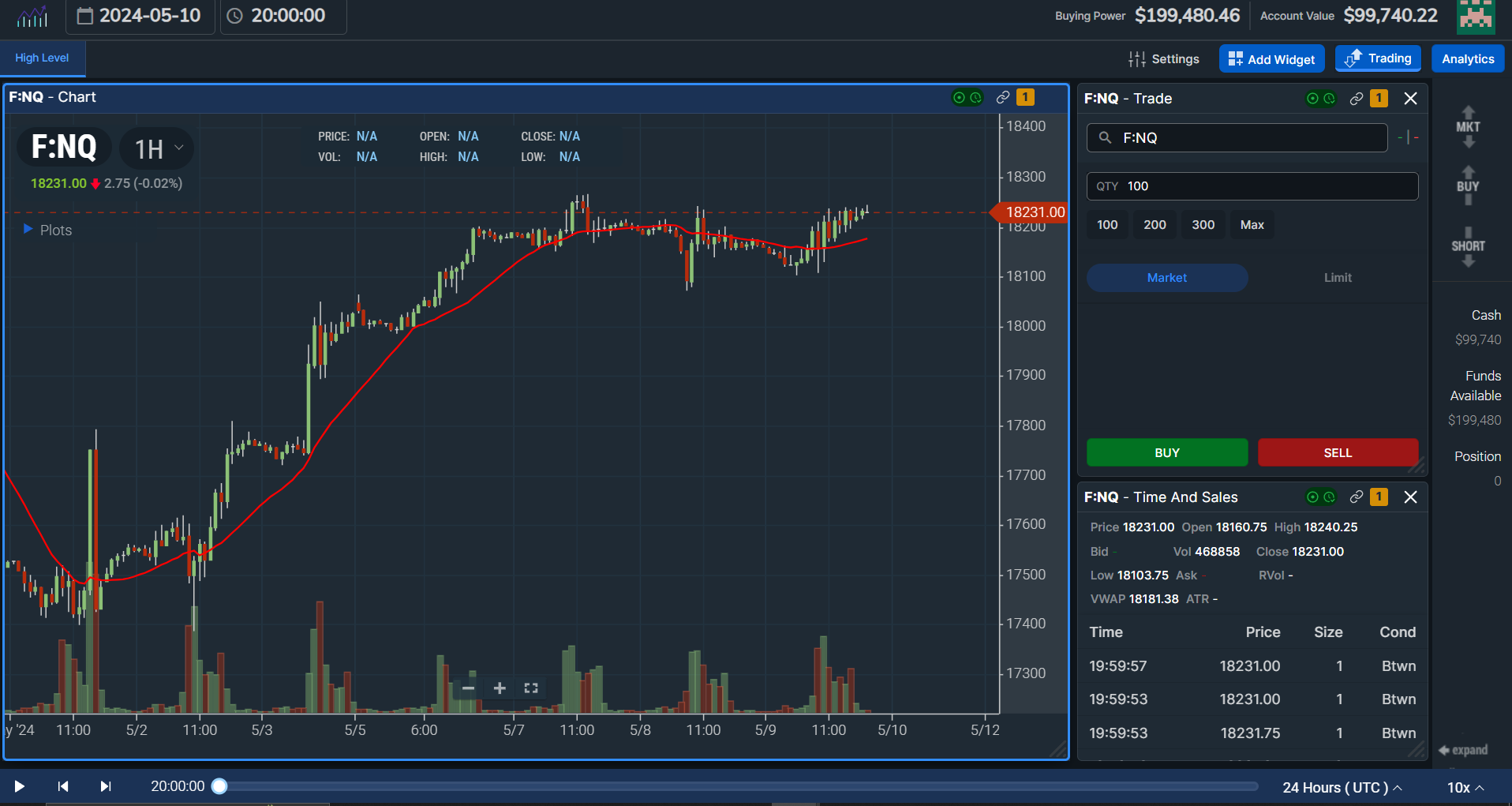
Every index future has its own character. Some move calmly, while others react quickly, responding to even the smallest piece of news. Among them, Nasdaq 100 futures often lead the story. They track the world’s largest technology companies and serve as an early indicator of how investors perceive growth and risk.
Understanding Nasdaq 100 Futures Compared to Other Indices
The Nasdaq 100 is dominated by companies built on innovation and technological advancements. Most of its weight sits in the technology and digital consumer sectors. When traders buy or sell its futures, they are reacting to expectations about how quickly the modern economy can expand. A strong jobs report, a surprise rate hike, or even one comment from the Federal Reserve can move it within seconds.
The S&P 500 futures behave differently. Their movement represents a broader slice of the economy, with energy, finance, and industry all being represented. As a result, they tend to be smoother, less reactive, and more stable. The Dow Jones futures move even more slowly, following large, well-established corporations that rarely surprise the market. Each contract reflects a distinct aspect of investor psychology.
What makes Nasdaq 100 futures unique is their sensitivity to global news. They trade almost all day, reacting to developments from Tokyo to London before the New York session starts. A new product launch from a chip manufacturer in Asia or a change in European regulation can set the tone long before American traders have their coffee. This constant activity keeps the market alive and fast, but it also demands discipline from anyone trading it.
Volatility comes naturally to Nasdaq futures. It is part of their identity. When optimism about innovation rises, they surge. When risk aversion takes over, they fall first. That rhythm is what attracts active traders who enjoy momentum and quick reactions.
Using Different Index Futures in Trading
Most professionals look at all major futures together. Comparing the Nasdaq, S&P, and Dow helps reveal where capital is flowing. If Nasdaq climbs faster than the others, it shows a growing risk appetite. If it lags, the market is turning defensive. These relationships often hint at shifts in sentiment before they appear in the broader market.
Each index also suits a particular trading style. Nasdaq contracts favor short-term strategies where speed and timing matter most. S&P 500 futures are ideal for those who prefer trend-based setups that unfold gradually. Dow futures attract traders seeking stability and fewer sudden price fluctuations. Knowing which type fits your temperament is as important as reading the chart itself.
Liquidity across all three remains deep, but volatility levels differ. That’s why risk control becomes essential, especially in Nasdaq contracts. A single point of movement can represent significant value. Successful traders size their positions carefully and focus on consistency, not constant action.
What do These Differences Tell Us?
The contrast between these futures highlights how modern markets think. Nasdaq reflects the excitement of new technology and rapid growth. The S&P captures the pulse of the overall economy. The Dow reminds traders that old-world industries still anchor investor confidence. Watching how they interact provides a valuable perspective on the forces driving sentiment at any given moment.
Nasdaq 100 futures remain the clearest mirror of belief in innovation. They reveal how investors perceive progress, how quickly they change their minds, and how emotions influence markets long before the opening bell. To trade them well means understanding the balance between speed and patience, between confidence and caution.
The charts may appear mechanical, but behind every tick lies a human reaction. That’s what makes following these futures so engaging. They don’t just move with technology; they move with the way people feel about the future itself.
