

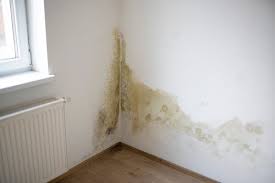
It is weird and awkward to feel that your house is always damp even when it is sunny outside. You may smell of must, or the walls may be damp, or the air may always be cold. Most homeowners only think that dampness can be associated with rainy seasons, but this is not necessarily so.
Constant moisture might also be an indicator of latent water damage – a severe issue that might remain unknown for months or even years. The negligence of this may result in structural problems, health hazards, and costly maintenance.
Why Does Your Home Feel Damp When There’s No Rain?
Dampness is more than just a weather-related issue. It can be caused by a variety of hidden problems inside your home. If your house feels humid or sticky or smells musty, moisture is likely entering or staying trapped somewhere.
Common signs of hidden dampness include:
- Musty odours
- Peeling paint or bubbling walls
- Cold, clammy surfaces
- Mould spots on walls or ceilings
- Swollen timber doors or floors
These signs often indicate water damage that is not visible to the naked eye.
Hidden Causes of Dampness Inside Homes
Undetected Leaks
A slow leak in the back of the walls, beneath the floor, or in the ceiling may go unnoticed for months. These leaks do not necessarily have to be very big to drip on the floor, but they can always supply moisture to the structure.
Poor Roof Condition
One major cause of concealed moisture is a damaged or ageing roof. Water that gets trapped in damaged roofing materials may slowly leak into the house even when it is not pouring. Roof restoration must be done to make sure that tiles, flashing, and gutters are in good condition to eliminate hidden water accumulation.
Condensation Build-Up
Mechanisms, such as cooking, showering or drying clothes in the house, can create too much indoor moisture. Under-ventilated, this moisture adheres to walls and ceilings, turning the house into a damp place.
Broken or Leaking Pipes
The pipes fitted in the walls or beneath the concrete slabs may have their leakage due to damage, ceilings, rust, or pressure. These leaks are concealed, and as such, they constantly wet surrounding materials, leading to rot and mould.
Early Warning Signs You Should Never Ignore
- Wall discoloration or yellow stains
- Paint peeling or flaking off
- Persistent musty smell
- Cracks or swelling in wooden frames
- Mould spots in corners or ceiling edges
These signs often indicate deeper water problems behind the surface.
The Serious Risks of Hidden Dampness
Moisture at home is not only unpleasant, but it is also hazardous. Making long-term moisture may destroy your property and deteriorate your health. Here’s how:
Structural Damage
Humidity deteriorates timber, plaster, and brickwork. This may lead to the cracking of the walls, the falling of the floors, and the rotting of the ceilings with time.
Mould Growth
Mould grows in humid conditions. Inhalation of mould spores may lead to breathing difficulties, allergies, and itching of the skin. Among children and elderly people, and people with asthma, mould can be very detrimental.
Attracting Termites
Termites are found in damp wood. A damp house may easily become an infestation of termites, especially when it is not taken care of. This is the reason why termite control and routine checks are essential.
Increased Energy Bills
You can heat a wet house till you can feel the cold. Water vapor in the atmosphere captures heat, which makes heaters struggle more, resulting in high energy expenses.
Financial Consequences of Ignoring Damp Issues
Some homeowners ignore dampness because it seems harmless. But over time, small moisture issues turn into major structural repairs. Ignoring leaks or damp patches can result in:
- Expensive wall or ceiling replacements
- Full roof restoration due to rot or sagging
- Costly mould removal treatments
- Complete termite damage repairs
It’s always cheaper to detect and repair water problems early than face a full renovation later.
How Can Professional Inspections Help?
In cases of water damage, you can never be sure that the damage is not hidden, but the most effective solution is to outsource the services. Home repairs such as repainting or removing mould will never solve the problem.
Advanced tools such as moisture meters, thermal imaging, and leak detectors are used by professional inspection services to identify the cause of the issue.
Pre-Purchase Building and Pest Inspections
When purchasing a home, one thing that you must never forget is a pre-purchase building inspection. These checks expose concealed faults like poor walls, roof holes, and termites. It would be a waste of money buying a house when you have to make very expensive repairs.
Roof Restoration
This consists of cleaning, repairing, sealing, and repainting the roof. It guarantees replacement of broken tiles, flashing, and leaks, where moisture cannot get into your house without being noticed.
Termite Control
Termites are never too far from places where there is moisture. Professional termite control assists in removing the colony, placing protective barriers, and patrolling for future action to keep your home safe.
Simple Tips to Reduce Dampness at Home
- Improve ventilation with exhaust fans or windows
- Fix plumbing leaks immediately.
- Use a dehumidifier in humid rooms.
- Clean roof gutters regularly
- Inspect your roof annually.
- Avoid drying wet clothes indoors.
These small preventive steps, combined with professional inspections, can help protect your home from long-term moisture damage.
Final Thoughts
When your house is always damp, even when it is not raining, then that is a signal. Underground leaks, roof leaks, or inadequate insulation could be silently contributing to water damage. The neglect of these concerns may result in mould, termite infestation, and severe structural malfunctions.
Secure your investment, your wellbeing. Pre-Purchase building inspections, invest in roof restoration, and have sound termite control. A dry, healthy home not only makes the home comfortable, but it is also safer and more robust over the years.
