

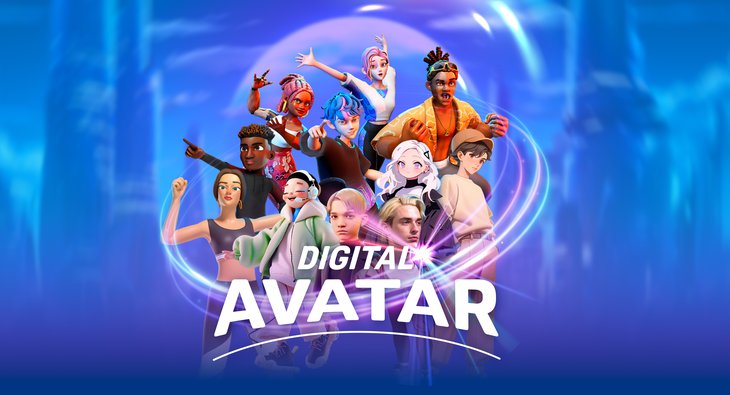
Digital avatars are reshaping the online landscape, giving users new tools to express themselves and connect more deeply. These virtual personas, used everywhere from social media profiles to business meetings, offer creative ways to communicate that go beyond plain text and video. Tools like a memoji generator allow users to create personalized avatars that capture unique personalities and visual styles, empowering more authentic digital self-expression. As technology evolves, digital avatars have moved from simple icons to interactive, customizable figures. Whether exchanging messages with friends or participating in professional discussions, these avatars add fun, flexibility, and individuality to digital communication.
The growth of avatar technology is making online spaces increasingly engaging, not just for users who want to show creativity but also for those seeking greater privacy or accessibility. Avatars are now commonplace in various settings, offering diverse ways to participate and connect. Given their rising popularity, it is important to understand both the impact of avatars now and the promise they hold for the future. In the rest of this article, discover how digital avatars are making online experiences richer, more inclusive, and infinitely more interactive.
Personalized Expression
Digital avatars offer the opportunity to create a distinct presence online. With customizable features like hairstyles, accessories, and facial expressions, users can convey their personalities in ways impossible with text alone. Major platforms, including Meta and Apple, have rolled out advanced avatar tools that let users tweak every detail to suit their preferences. This degree of personalization deepens the bond between digital and real-world identity, fostering confidence and connection in virtual environments.
Enhanced Virtual Meetings
Avatars are changing the experience of remote work and online classes by making virtual meetings less formal and more approachable. Platforms like Zoom have introduced animated avatars that mirror users’ facial movements and gestures in real-time, enabling participants to represent themselves visually without turning on a camera. For professionals and students who feel self-conscious or want privacy, avatars offer an alternative that maintains presence and engagement. These innovations help humanize digital interactions, making conversations feel more natural and less fatiguing. As workplaces increasingly embrace hybrid or all-remote models, the use of avatars is expected to grow in importance and sophistication.
Inclusive Representations
Recent advancements in avatar technology have prioritized diversity and inclusion, ensuring people of all backgrounds feel represented. Companies such as Meta have added features to their avatar systems, like cochlear implants, wheelchairs, and various skin tones, so everyone can create characters that better reflect their identities. This inclusivity leads to more welcoming online communities and encourages participation from users who might not have felt seen before. Emphasizing representation not only supports equity but also brings new perspectives and voices to the digital world.
Interactive Storytelling
Digital avatars have unlocked new dimensions in storytelling by allowing users to jump directly into narratives. In virtual worlds and video games, people no longer watch stories unfold; they live them through their avatars, actively shaping the outcome. Role-playing games and immersive experiences tailor plots and interactions to users’ choices, increasing emotional investment and enjoyment. Storytellers and educators are leveraging these interactive formats to create richer, more memorable experiences for audiences of all ages. As avatar-driven environments become more prevalent, expect to see even more creative uses of this technology in entertainment and beyond.
Educational Engagement
In education, avatars help make learning more personalized and participatory. Virtual classrooms use avatars to represent students and teachers, encouraging interaction and reducing social barriers. Educators report higher levels of engagement and motivation, especially among shy or remote learners who might hesitate to contribute in person. Custom avatars can be used across various subjects, from simulating historical figures in social studies to visualizing complex scientific concepts. The result is a more dynamic and inclusive educational experience that caters to diverse learning styles and needs.
Brand Personalization
For businesses, avatars open up exciting opportunities for brand storytelling and customer engagement. Companies create branded avatars to interact with customers on social platforms, deliver personalized messages, and guide online support experiences. This approach humanizes corporate interactions, making brands feel approachable and relatable. By giving customers the chance to design or use their favorite branded avatars, companies foster loyalty and deepen emotional connections with their audiences. The strategy is becoming a key element in digital marketing toolkits, paving the way for unique and memorable customer experiences.
Future Trends
Looking ahead, avatar technology is poised for rapid innovation. Artificial intelligence and advanced motion capture are driving more lifelike, responsive avatars, while developments in virtual reality promise immersive environments where avatars can interact seamlessly. These trends will further blend the boundaries between physical and digital worlds, changing how people work, learn, play, and socialize online. As avatars become increasingly sophisticated, expect ongoing growth in their adoption and creative use, contributing to the ever-evolving digital communication landscape.
Conclusion
In summary, digital avatars are far more than cute icons or playful stand-ins. They represent a fundamental shift in online communication, offering expressive, inclusive, and interactive ways for people to relate to and connect. As this technology advances, digital avatars will enrich our experience of the virtual world. From virtual meetings and online gaming to education, customer service, and social media, avatars are becoming an essential part of digital interactions. They enable users to express their personalities, foster deeper engagement, and create more immersive experiences across various platforms. As artificial intelligence, augmented reality, and virtual reality continue to evolve, digital avatars are expected to become even more lifelike, customizable, and accessible. Embracing these innovations will help individuals and businesses build stronger connections, enhance communication, and shape the future of meaningful online experiences.
