

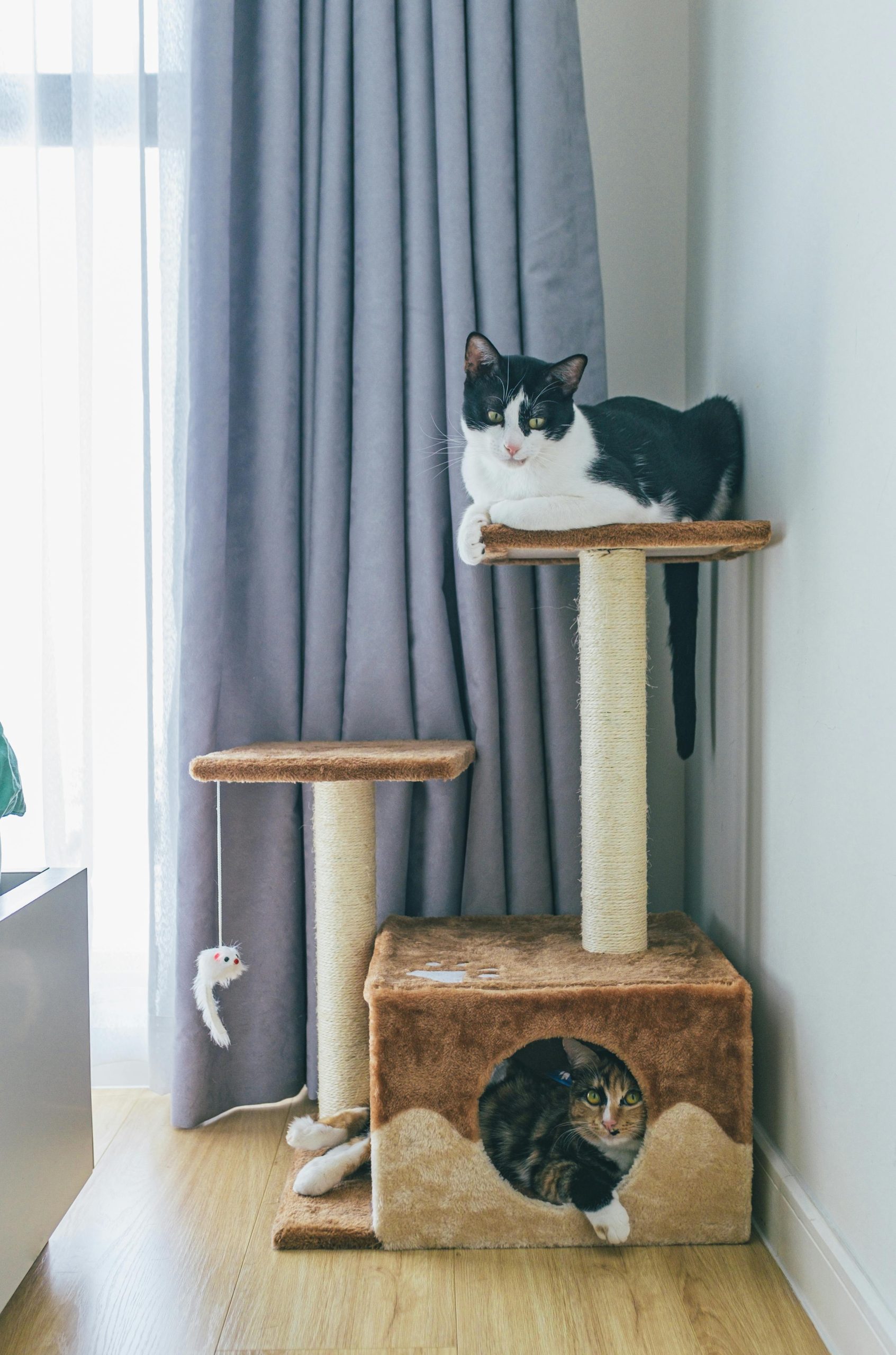
A home can look perfectly put together and still feel slightly off. Not because something is missing, but because something real hasn’t been accounted for. In many homes, that “something” is the way pets actually move, rest, eat, and exist within the space.
Homes are no longer being adjusted after a pet arrives. They’re being thought through with that presence already in mind. Not as a feature, but as how they’ll fit into daily routines.
Living Spaces That Reflect Reality
Open layouts were originally meant to make spaces feel bigger and brighter. Now they serve a more practical purpose. Pets move constantly, such as running through rooms, changing directions, and stopping suddenly. Tight or segmented layouts make that movement disruptive.
A more open space reduces those interruptions. There’s less furniture to navigate around, fewer narrow pathways, and more room for movement without things getting knocked over or in the way. Instead of creating separate “pet zones,” newer layouts absorb those needs into the space itself. A corner near a window becomes a resting spot without being labelled as one. A slightly wider walkway avoids constant interruptions.
That shift from adding solutions to building around behaviour is where the difference lies.
Durable Materials for Pet-Friendly Homes
There’s a difference between a home that looks good and one that holds up. Pets expose that gap almost immediately. Delicate finishes, high-gloss surfaces, and soft fabrics tend to require constant correction. One scratch, one spill, one moment of neglect, and it shows. That’s why material choices are becoming less about appearance alone and more about how they perform over time.
Textured flooring, tightly woven fabrics, and matte finishes don’t stand out visually, but they absorb daily wear without turning it into a problem. According to insights shared on ArchDaily, this shift toward durability-driven design is becoming standard rather than optional.
It’s not about lowering standards. It’s about removing unnecessary maintenance.
Storage That Matches Daily Habits
Most storage looks organised until it’s used repeatedly. Then patterns start to break it. Feeding routines, cleaning supplies, and grooming tools, these aren’t occasional activities. They’re built into the day. And when storage doesn’t reflect that, it creates small but constant problems.
That’s why more homes are moving toward storage that feels almost invisible but works precisely. Pull-out sections, low-access drawers, and built-in compartments reduce the need to “manage” routines manually.
Within these setups, even food choices are being handled more deliberately. Instead of mixing everything together, spaces are being allocated based on actual use, whether that’s treats, supplements, or specific options like dog food for small dogs. It’s a small detail, but it removes daily inefficiency.
Air, Noise, and What Goes Unnoticed
Some of the most important changes aren’t visible. Air quality, for example, becomes an issue gradually. Pet dander, trapped odours, and poor circulation don’t disrupt immediately, but over time, they change how a space feels. The Environmental Protection Agency has already pointed out that indoor air can carry higher levels of pollutants than outdoor air, especially in enclosed environments. As a result, ventilation is no longer treated as a background system. Better filtration, cross-ventilation, and quieter air systems are becoming part of the design conversation early on.
The same applies to noise. Hard surfaces amplify sound. Softer, balanced materials absorb it. These adjustments don’t draw attention, but they make the space calmer.
Furniture That Blends into Everyday Use
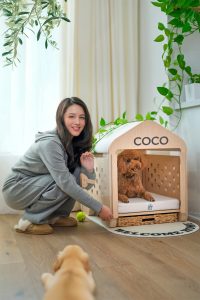
Standalone pet furniture often creates a visual break. It looks separate because it is separate. What’s changing is the way furniture is being designed to serve more than one purpose. A bench that doubles as a resting space. A side unit that quietly accommodates both storage and shelter.
This isn’t about adding more; it’s about reducing the need for extra elements altogether.
Small Decisions, Noticeable Impact
There’s a tendency to focus on large design moves such as layouts, colours, and finishes. But the more meaningful changes are often smaller.
Where a feeding area is placed. How close a resting space is to natural light? Whether high-traffic paths cut through quiet areas or move around them. Individually, these decisions don’t seem that big. Together, they define whether a home feels easy to live in or slightly uncomfortable.
A More Honest Way of Designing
What’s happening isn’t a trend in the traditional sense. It’s a correction. For a long time, homes were designed to look controlled. Clean lines, perfect symmetry, minimal disruption. But real life doesn’t operate that way, and pets make that especially clear.
Designing around them forces a different approach. One that accepts movement, unpredictability, and routine as part of the structure, not something to manage later.
The result isn’t just a “pet-friendly” home. It’s a space that feels more aligned with how it’s actually used, such as less effort to maintain, fewer adjustments to make, and far less tension between appearance and reality.
