

Choosing the right floor tiles for an Indian home is not simply about picking something that looks good when seen on display in a showroom. It is about finding a balance between aesthetics, durability, climate suitability, and ease of maintenance. This must seem like a lot, especially while keeping in mind the realities of everyday living. The drastic changes in the Indian weather from dusty scorching summers to humid monsoons demand a lot from the tiles. The decision to choose the right tiles can seem overwhelming. However, here are the realities that can help.
Understanding the Real Usage
Each room in the house has a unique, specific function. Therefore, before diving into design and the final look, it is important to assess how each room is used. The living room will see a lot of foot traffic, and bedrooms are sanctuaries to rest, etc. The best tiles for floor would be decided based on the requirements of the rooms.
Other aspects of usage include factors such as, in Indian households, floors often experience heavy wear due to footwear and regular mopping. Additionally, homes with children or pets may need tiles that are scratch-resistant and easy to clean, while homes with elderly people may prioritise slip resistance. Kitchens and balconies deal with spills and moisture, making durability and grip essential. The premise is that the right floor tiles should support the daily routine, and not complicate it.
Tile Types for Indian Conditions
Different categories of tiles also serve different purposes. Some tiles offer strength, some are good for slip resistance, while others are more durable. Vitrified tiles are considered one of the best tiles for floor as they are long-lasting and are low in porosity. Since they are also resistant to stains and moisture, they can be used in kitchens and bathrooms. Ceramic tiles are less dense but are very versatile in their design categories. They are used when the decorative appeal is a priority. For outdoor areas, like parking spaces, specialised tiles are designed to withstand weight and harsh weather exposure.
Finish Matters
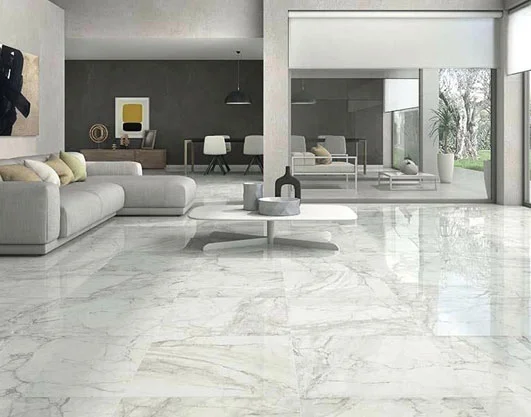
The finish of the floor tiles has a direct impact on both its appearance and functionality. Glossy tiles are cherished for their reflective surfaces. They are known to enhance brightness and make spaces appear larger. These tiles are often chosen for living rooms and formal areas where visual appeal is important.
Matte tiles offer a more subtle and contemporary look. They are less likely to show smudges and are generally easier to maintain in busy households. Since they have anti-skid properties, they can also be used in areas prone to water exposure.
Design Categories to Consider
The best tiles for floor go much beyond their colour. Some design categories that are popular in Indian homes are:
- Cement tiles – They offer an industrial and contemporary look, perfect for modern homes
- Wooden-design tiles – They are known to replicate the warmth of natural wood, but also provide better durability.
- Geometrical patterns – These tiles add visual interest and create statement floors.
Furthermore, it is also important to consider the tile size before placing them, as it can impact how a room feels. Larger tiles create a seamless look as they have fewer grout lines. Smaller tiles provide more intricate design possibilities but have more grout lines.
Choosing Tiles that Can Handle Indian Weather
It is no secret that the Indian weather is unpredictable. It becomes essential to choose floor tiles that can withstand temperature variations, humidity, and dust. In hotter regions, tiles with cooler surfaces (vitrified tiles) help maintain a comfortable indoor environment.
In areas with high humidity, moisture-resistant tiles become crucial to prevent damage over time. Anti-skid tiles are particularly useful during monsoons, especially in entryways and balconies where water exposure is frequent. Dust is another factor to consider, as it can be more visible on certain finishes. Matte or textured surfaces tend to hide dust better than highly reflective ones.
The Reality of Tile Maintenance
The best tiles for floor will reduce the effort and time needed to clean and maintain them. Tiles with fewer grout lines are generally easier to clean, as grout can trap dirt and stains over time. Tiles with smoother surfaces facilitate quick cleaning. Heavily textured tiles require more attention.
Conclusion
Buying tiles for an Indian floor is much more than selecting a design—it is about making a decision that supports your lifestyle, climate, and long-term needs. From understanding tile types and finishes to choosing the right size, layout, and design category, every detail plays a role in how the home looks. Design floors that are not only visually appealing but also perfectly suited to the day-to-day lifestyle of each family, while standing the test of time.
