

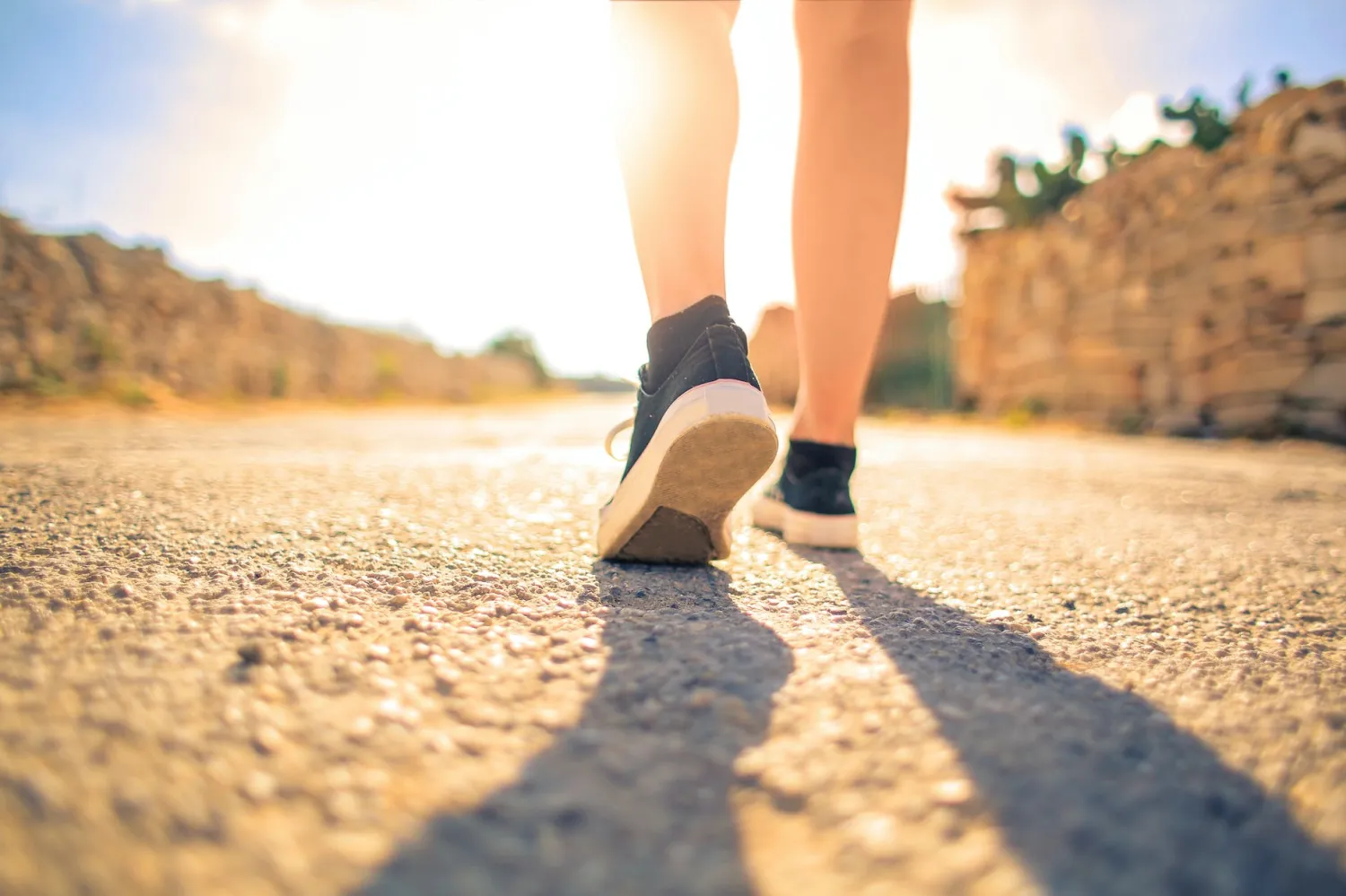
Every January brings the same hopeful energy and the same quiet doubt. People want change that feels real, but they also want it to fit into lives that are already packed. That tension is exactly why walking keeps winning, even when flashier goals fall apart by February. Walking does not demand a personality overhaul, a special schedule, or a sudden love of suffering. It asks for shoes, a door, and a little willingness to move forward, sometimes literally one block at a time.
What makes walking so effective is not willpower. It is friction, or rather the lack of it. The fewer barriers between intention and action, the better the odds of follow through. Walking slides into daily life without fanfare, which is exactly why it works when other resolutions flame out.
Walking Fits Real Life, Not an Idealized One
Most resolutions fail because they are built for a version of life that rarely shows up. Walking works because it adapts. It can happen in ten minutes between meetings or during a phone call that would otherwise leave you pacing the kitchen anyway. It works in sneakers, boots, or whatever you already own, and it does not care if yesterday was a miss.
There is also a psychological ease to walking that matters more than people admit. You are not bracing yourself for discomfort or measuring success in dramatic transformations. You are simply moving. Over time, that movement builds consistency, and consistency is what actually changes health, mood, and energy. Walking respects the fact that progress does not have to announce itself loudly to be meaningful.
Why the Gear Matters More Than the Hype
Walking is simple, but it is not careless. Comfort is the difference between something you do once and something you keep doing. This is where footwear quietly decides the outcome. Supportive men’s or women’s walking shoes are key because they remove the small aches and distractions that make skipping a walk feel justified. When feet hurt, motivation disappears fast.
Support does not mean heavy or clinical. It means cushioning that absorbs impact, stability that keeps alignment in check, and a fit that does not demand breaking in through pain. When shoes disappear on your feet, walking becomes an easy yes instead of a negotiation. That matters on cold mornings, long days, and the weeks when motivation feels thin.
The Mental Shift That Keeps People Coming Back
Walking creates mental space without demanding silence or discipline. It is flexible enough to handle podcasts, music, phone calls, or complete quiet depending on the day. That adaptability is why people return to it even when motivation dips. Walking does not ask for a perfect mindset. It meets you where you are.
For many people, walking succeeds where other wellness habits fail because it does not pretend to fix everything. There is no promise of instant clarity or emotional breakthroughs. In fact, meditation doesn’t work for plenty of people in its traditional form, especially those who struggle with sitting still or quieting a busy mind. Walking offers movement and focus without pressure. Thoughts can come and go naturally, and that alone can be grounding.
Walking Works on the Body Without Picking a Fight
Walking does not try to dominate your body. It collaborates with it. Unlike high intensity plans that leave people sore, discouraged, or sidelined by minor injuries, walking builds strength and endurance gradually. Joints get lubrication instead of punishment. Muscles wake up without rebellion. The nervous system stays calm rather than spiking stress hormones that make recovery harder.
There is also a metabolic benefit that often gets overlooked. Walking supports blood sugar balance, circulation, and digestion in ways that compound quietly over time. It is not about burning everything off. It is about keeping systems moving the way they are meant to, day after day.
Walking Builds Identity Without Pressure
The most lasting resolutions change how people see themselves. Walking does this gently. You do not have to declare yourself an athlete or a wellness devotee. You simply become someone who walks. That identity forms through repetition, not declarations.
Over time, walking often leads to other healthy choices without force. Sleep improves. Stress levels drop. People notice they want to move more, not because they should, but because it feels good. This is the opposite of willpower based change. It is habit layered onto pleasure, which is the most durable combination there is.
The Long Game That Actually Feels Short
Walking succeeds because it respects time. It does not ask for dramatic before and after photos or strict milestones. It builds benefits slowly enough that they feel sustainable, yet quickly enough that people notice. A few weeks in, energy shifts. Mood stabilizes. The habit starts to feel less like effort and more like part of the day.
That is the real secret. Walking does not feel like a resolution for long. It becomes a default, something that happens because it always has. In a world obsessed with transformation, walking quietly proves that consistency beats intensity almost every time.
A Resolution That Does Not Expire
Most resolutions are built to impress, not endure. Walking endures because it adapts as life changes. It works through busy seasons, low energy days, and years when priorities shift. It is not tied to a calendar or a version of yourself that only exists in January.
Walking does not promise perfection. It promises progress that fits real life. That is why it keeps working long after the resolution lists are forgotten. It is simple, forgiving, and surprisingly powerful, which makes it the easiest commitment to keep, and one of the few that keeps giving back without asking for more than you can offer.
