

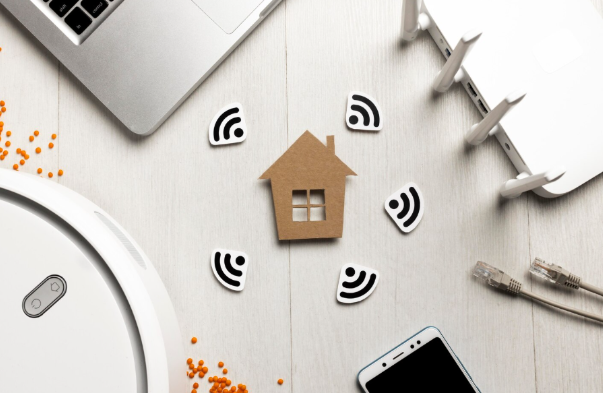
In an era when homes are packed with laptops, smart TVs, tablets, streaming devices, and smart‑home gadgets, a fast and reliable internet connection isn’t just a luxury; it’s a necessity. A 10Gbps home broadband plan promises ultra‑high speeds, robust bandwidth, and future‑proof performance. But not all households need or can fully benefit from 10Gbps, and getting the most out of such a plan requires careful preparation and realistic expectations. Here’s how to choose a 10Gbps broadband plan wisely, and what you should check before committing.
What 10Gbps Broadband Means in Practice
A 10Gbps broadband plan refers to a connection capable of delivering up to 10 gigabits per second of data throughput. This means massive downloads, near-instant uploads, and seamless simultaneous use across many devices. With symmetrical upload and download speeds, tasks like uploading large video files, backing up cloud data, streaming 4K or 8K content, online gaming, and running multiple smart‑home devices can coexist without lag.
Such performance becomes especially beneficial for households with heavy bandwidth demands: large families streaming simultaneously, remote workers video‑conferencing while others game or stream, households that store or transfer large media files regularly, or those using smart‑home systems that need stable, always‑on connections.
Key Factors to Check Before Signing Up
Before committing to a 10Gbps plan, several factors should guide your decision:
Your existing equipment and wiring: To actually take advantage of 10Gbps speeds, you need a modem and router that support 10‑Gigabit Ethernet (10GbE) or multi‑gig connections. Many standard routers are only built for 1 Gbps. If your hardware isn’t up to the task, you might never get anywhere near the advertised speed.
Connection type and stability: Fibre‑optic connections, especially those offering symmetrical upload/download rates, tend to deliver the most stable performance. Reliability matters more than raw speed if interruptions or slowdowns are frequent.
Household usage needs: Think realistically about how many devices will use the connection, what they do (streaming, gaming, uploads, smart‑home traffic), and how often. If your household consists of a couple of devices used mainly for browsing and light streaming, 10Gbps may be overkill.
Budget and value: 10Gbps plans are premium offerings. Compare what you get against lower‑tier plans. If you don’t need or won’t utilise the speed, a lower plan might give better value while still meeting your needs.
Provider reliability and support: A fast plan is useless if the connection is unstable. Check the ISP’s uptime history, responsiveness in resolving problems, and transparency on data limits or throttling policies, if any.
Network infrastructure at home: Use proper Ethernet cabling (e.g., Cat6 or better) if you want full 10Gbps speeds over wired connections. Wi‑Fi alone, even on modern standards like Wi‑Fi 6E, typically won’t deliver the full bandwidth.
When 10Gbps Is Overkill — And When It’s Worth It
For many homes, a 1–2 Gbps plan is more than enough. Light browsing, streaming a movie or two, casual gaming, and video calls don’t demand 10Gbps. Even heavy streaming or gaming households often find that a well‑optimised 1–2 Gbps line provides adequate performance.
However, 10Gbps makes sense if your household matches one or more of the following:
You regularly upload or download very large files, such as video editing or 4K content.
You have many connected devices streaming or working simultaneously.
You want a truly future‑proof setup before next‑generation demands like 8K streaming, VR/AR, or heavy cloud-based workflows become the norm.
How to Set Up Your Home Network for 10Gbps
If you decide to go for 10Gbps, here’s how to prepare your home network:
Invest in a router or modem with 10GbE or multi‑gig ports to handle high throughput. Use good‑quality Ethernet cabling (Cat6A or higher) if connecting desktop PCs, gaming consoles, or streaming devices directly.
For wireless devices, consider upgrading to a modern mesh Wi-Fi system or Wi‑Fi 6/6E routers, though wireless will likely remain slower than wired. Test performance after installation under real-world conditions — simultaneous streaming, cloud backup, multiple devices — to verify that you’re getting the speed and stability you pay for.
FAQs
Is 10Gbps broadband much better than 1 Gbps in daily use?
It depends on your usage. For heavy data workloads, simultaneous streaming, cloud backups, or multiple users, yes — 10Gbps offers smoother, faster performance. For light to moderate use, a 1 Gbps plan often suffices.
Do I need special equipment to use a 10Gbps plan?
Yes. You need a modem/router with 10 Gigabit Ethernet or similar multi‑gig ports, and preferably Cat6A or higher cabling for wired connections to fully benefit from 10Gbps.
Can wireless devices use 10Gbps speeds?
Unlikely. Current Wi‑Fi technology, even Wi‑Fi 6E, struggles to deliver true 10Gbps speeds. Wired connections remain the most reliable way to utilise the full bandwidth.
Is 10Gbps broadband worth the extra cost?
If your household regularly pushes bandwidth limits — many users, streaming, uploading/downloading large files, looking for more demanding tasks — then yes. Otherwise, a lower-speed plan often offers better value.
