

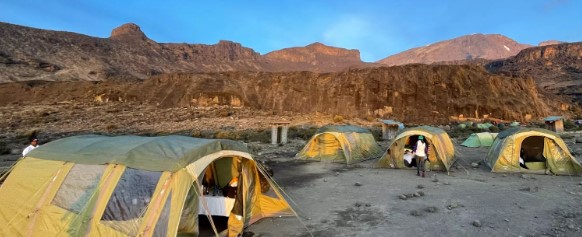
Mount Kilimanjaro has long stood as a symbol of exploration — Africa’s rooftop and one of the world’s most inspiring natural landmarks. But beyond the summit photos and personal triumphs lies a deeper story: how to experience this extraordinary mountain without harming the fragile ecosystem that makes it so special.
Modern travellers are increasingly aware that adventure must evolve. The challenge now isn’t just reaching the summit — it’s learning how to climb with care.
Those who trek with specialist trek organisers are helping shape that change, choosing operators who balance comfort, safety, and ecological respect. Each decision — from the route taken to the waste carried out — impacts the health of Kilimanjaro’s environment and the communities around it.
Understanding the Ecosystem
Kilimanjaro is unique in its diversity. Climbers pass through five distinct climate zones — rainforest, heath, alpine desert, and glacier — each home to its own species and weather patterns. Understanding the climate guide for Kilimanjaro is more than preparation; it’s a reminder of the mountain’s delicate balance.
At lower elevations, thick forest absorbs carbon and shelters countless birds and primates. Higher up, the barren slopes hold clues about climate change, where shrinking ice caps tell a story of global warming visible to the naked eye.
Protecting these layers means minimising impact: staying on marked trails, packing reusable gear, and respecting flora and fauna that thrive only in narrow altitude bands.
Supporting Local Sustainability
Kilimanjaro’s trekking industry supports thousands of Tanzanian guides, cooks, and porters — families who depend on ethical tourism for income. Sustainable adventure means ensuring fair pay, safe working conditions, and local empowerment.
Many responsible operators now source food and equipment locally, reduce plastic waste on expeditions, and reinvest in nearby villages. This ensures the benefits of tourism extend far beyond the mountain itself.
Low-Impact Adventure
Eco-conscious travel doesn’t mean sacrificing comfort or experience. It means redefining luxury as awareness. Trekkers now prioritise clean-energy camps, filtered-water systems, and biodegradable supplies. A lighter footprint doesn’t lessen the achievement — it amplifies it.
Climbing responsibly allows adventurers to witness Kilimanjaro’s grandeur without leaving scars on the landscape that future generations deserve to see.
A Model for the Future
As more travellers seek meaning in their journeys, Kilimanjaro stands as a model for sustainable exploration. It proves that high-impact memories can coexist with low-impact methods.
The mountain’s future — and ours — depends on this balance. To climb responsibly is to honour not only the summit but the ecosystem that supports every step toward it.
The Takeaway
Kilimanjaro teaches that true adventure is a relationship, not a conquest. When we climb with awareness, we become part of something larger — a global movement toward respect, regeneration, and shared responsibility.
Sustainability isn’t a trend on the mountain; it’s a way of breathing in rhythm with the Earth.
