

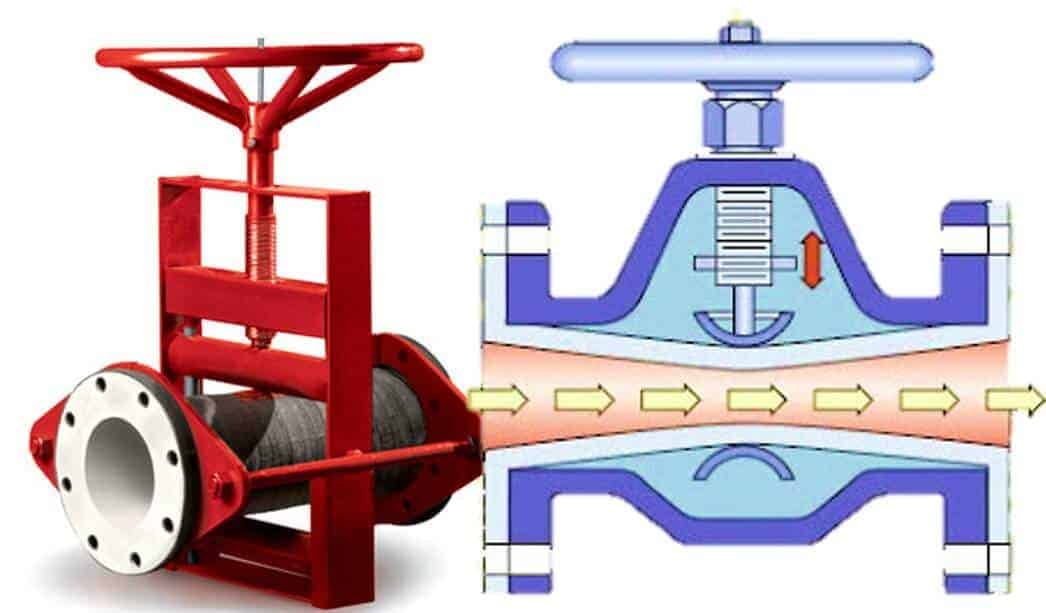
What is this valve and how does it work?
A pinch valve is a simple device that stops or allows flow by squeezing a soft tube. Think of it like pinching a straw to stop juice. When the tube squeezes closed, the flow stops. When the tube opens, the flow moves. People use these valves when they want a clean way to control liquids, slurries, or powders without the fluid touching metal parts.
Why choose this kind of valve?
This valve keeps the fluid inside the tube. That makes cleaning easier. It also reduces clogs because the tube opens wide when the valve is not squeezing. Workers like it for food, medicine, and messy mixes. The valve parts that touch the fluid are easy to change out.
Four common types and when to use them
1. On-off squeeze type
How it works: The valve squeezes the tube fully closed, then opens fully.
When to use it: Use this type when you only need to stop and start the flow. It fits simple jobs such as filling bottles or switching lines.
2. Sleeve type
How it works: A soft sleeve sits inside a metal housing. The sleeve bends when compressed and straightens when released.
When to use it: This type works well with thick mixtures or grainy liquids. The sleeve protects the housing and keeps the flow path clean.
3. Proportional pinch valve
How it works: This valve changes the squeeze amount step by step. It does not only open or close. It gives step-by-step, but smooth changes in flow.
When to use it: Use it when you need careful control, such as mixing chemicals or metering liquids into a process.
4. Air-operated valve
How it works: This valve uses compressed air to apply the pressure, which causes the tube to compress. The air pushes a part that holds the sleeve in place.
When to use it: Use this where electric power is tricky or when you want a fast, repeatable action. Factories with many valves often pick this type.
How to pick the right one
- Check the fluid. If it is sticky or full of solids, choose a sleeve or on-off squeeze type.
- Think about control. If you need precise flow, choose the proportional pinch valve.
- Look at cleaning needs. If you must swap parts often, pick a simple sleeve design.
- Consider power. If you have compressed air available, air-operated valves work well.
Simple care tips
Replace the soft tube on a set schedule. Inspect the tube for cracks or wear. Clean the housing on a regular basis. These simple steps keep the valve working longer.
Quick safety note
Always release pressure in a line before you remove a tube. Wear gloves when the fluid inside might be hot or harmful. Follow the maker’s instructions for safe work.
Short recap
This valve controls flow by squeezing a flexible tube. You can pick a basic on-off model, a sleeve type for tough fluids, an air-operated model for speed, or a proportional pinch valve for fine control. Match the type to the job, keep the tube in good shape, and follow safe steps. With the right choice, you get a reliable, low-mess way to move liquids and mixes.
