

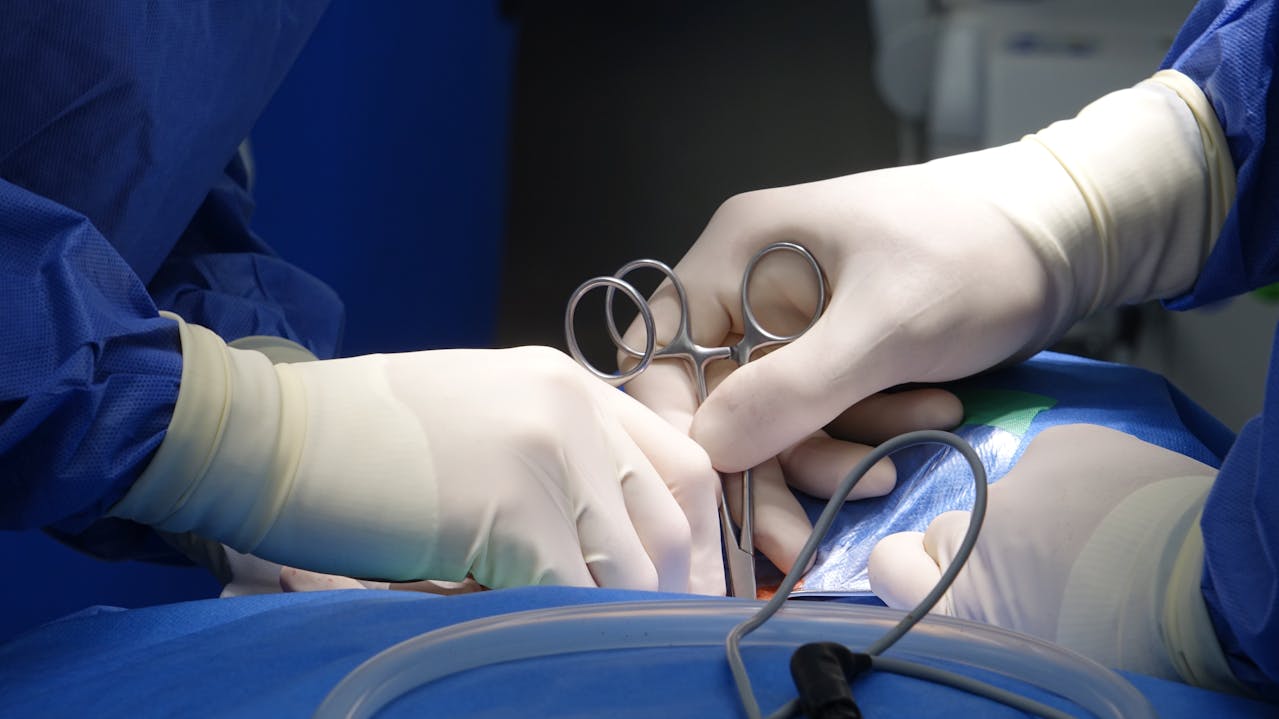
There is a category of medical procedures that does not just treat a condition but genuinely changes the way a person experiences daily life. These are sometimes called quality of life surgeries, and they cover a wide range of specialties, from orthopedics to ear, nose, and throat care, to vision and digestive health. What they share is a common goal: reducing or eliminating the kind of chronic discomfort that quietly takes over a person’s routine, limits what they can do, and affects how they feel day to day.
Many people live with these conditions for years before realizing that a solution exists, or before feeling confident enough to look into it. This article walks through some of the most common and well-established quality of life procedures, what they address, what people can generally expect, and where these services are typically found.
Knee Replacement Surgery
Much like hip replacement, knee replacement surgery is designed for people whose knee joint has deteriorated to the point where pain and limited movement significantly affect daily life. Arthritis is the most common cause, and it can make something as simple as standing up from a chair or walking across a room a painful experience.
The surgery replaces damaged cartilage and bone with an artificial joint that allows the knee to move more naturally and without the constant pain that preceded it. Recovery takes time and usually involves physical therapy, but the long-term outcomes for most patients include meaningful improvements in mobility and comfort. Knee replacement is performed at orthopedic specialty clinics, hospital surgical centers, and increasingly at outpatient surgery facilities.
Balloon Sinuplasty
Balloon sinuplasty is a procedure performed by ear, nose, and throat specialists for people who suffer from chronic sinusitis that has not responded adequately to medications or other treatments. Chronic sinusitis involves persistent inflammation of the sinuses, which can cause ongoing facial pressure, congestion, headaches, and difficulty breathing through the nose.
The balloon sinulplasty procedure works by opening up the blocked sinus passages using a small, flexible balloon, allowing drainage and airflow to improve. Unlike traditional sinus surgery, it typically does not involve cutting or removal of tissue, which means recovery is usually faster and less involved. ENT clinics, otolaryngology practices, and hospital outpatient departments are the most common places to find this service.
Gastric Reflux Surgery
Chronic acid reflux, also known as GERD, is more than an occasional inconvenience for many people. When left unmanaged over long periods, it can affect sleep, eating habits, and overall comfort throughout the day and night.
For those who do not find adequate relief through medication or lifestyle adjustments, surgical options exist that address the underlying structural issue causing acid to move back into the esophagus. These procedures are typically performed by gastroenterological or general surgeons and are available at hospitals and digestive health specialty centers.
Hip Replacement Surgery
Hip replacement surgery is one of the most well-known and commonly performed orthopedic procedures in the world, and for good reason. It is typically recommended for people whose hip joint has been damaged, most often by arthritis, to the point where pain and stiffness limit even basic movements like walking, sitting, or climbing stairs. During the procedure, a surgeon replaces the damaged joint with an artificial implant designed to restore function and eliminate the source of pain.
People who have had hip replacement surgery often describe a significant improvement in their ability to move freely and return to activities they had long given up. This procedure is widely available through orthopedic surgery departments at hospitals, such as South Shore Health, large medical centers, and specialty orthopedic clinics.
Carpal Tunnel Release
Carpal tunnel syndrome occurs when the median nerve running through the wrist becomes compressed, leading to persistent numbness, tingling, weakness, or pain in the hand and fingers. For people who work with their hands or spend long hours at a keyboard, this condition can become a serious barrier to doing their job or handling everyday tasks.
Carpal tunnel release surgery relieves the pressure on the nerve by cutting a small ligament in the wrist, and the procedure is considered routine and generally straightforward. Many people notice improvement in their symptoms within weeks, and the procedure is offered by hand surgeons, orthopedic specialists, and outpatient surgical centers.
Sleep Apnea Surgery
Sleep apnea is a condition in which breathing repeatedly stops and starts during sleep, and while it often goes unnoticed by the person experiencing it, the effects on daily life can be significant, including chronic fatigue, difficulty concentrating, and long-term health risks. For people who cannot tolerate CPAP therapy or for whom other treatments have not worked, surgical options can address the anatomical causes of airway obstruction.
Depending on the individual’s anatomy and the severity of the condition, an ENT specialist or oral and maxillofacial surgeon may recommend removing or repositioning tissue that is blocking the airway. These procedures are performed at hospital surgical centers and specialty sleep medicine practices, often in coordination with a sleep specialist.
Varicose Vein Treatment
Varicose veins are enlarged, twisted veins that appear most often in the legs and can cause aching, heaviness, swelling, and discomfort that worsens with prolonged standing or sitting. While they are sometimes seen as a cosmetic issue, for many people they cause real and ongoing physical discomfort that affects how long they can be on their feet or stay active.
Several minimally invasive procedures exist to close or remove problematic veins and relieve symptoms, and most do not require a hospital stay. Vascular surgeons, interventional radiologists, and vein specialty clinics typically offer these treatments, and they are available in most metro areas and many mid-sized cities.
LASIK and Refractive Eye Surgery
LASIK and similar refractive eye surgeries reshape the cornea to correct common vision problems like nearsightedness, farsightedness, and astigmatism. For people who have relied on glasses or contact lenses for most of their lives, this type of surgery can be a meaningful change, removing the daily inconvenience of corrective eyewear.
Not everyone is a candidate, and an eye care professional will conduct a thorough evaluation before recommending the procedure. Refractive surgery centers, ophthalmology practices, and specialized eye clinics are the primary providers, and many offer consultations specifically designed to help people understand whether they qualify.
Chronic physical conditions have a way of narrowing life down gradually, limiting activities, affecting sleep, and making simple daily tasks harder than they should be. The procedures covered in this article represent some of the most established and widely available surgical options for people dealing with exactly these kinds of ongoing challenges.
None of them are right for every person, and each one requires a thoughtful conversation with a qualified medical professional who can assess individual circumstances, medical history, and realistic expectations. What they all share is the potential to significantly reduce or eliminate the source of chronic discomfort and help people feel more capable and comfortable in their everyday lives. If any of these conditions sound familiar, reaching out to the appropriate specialist is a reasonable and worthwhile starting point.
