

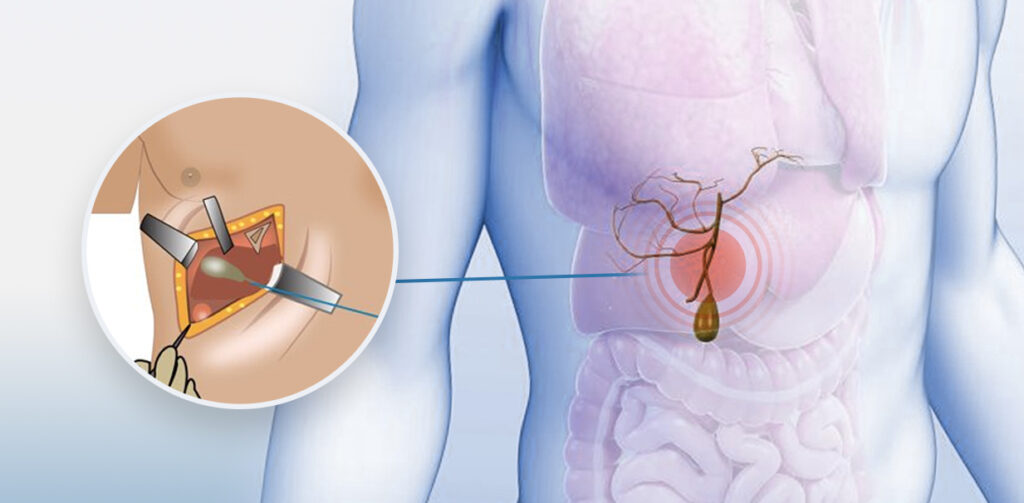
Gallstones removal is one of the most commonly performed abdominal surgeries and is generally considered safe, particularly when done using laparoscopic techniques. In Singapore, this minimally invasive approach has become the standard due to its faster recovery times and lower complication rates. However, like any surgical procedure, gallstones removal Singapore carries potential risks and complications that patients should be aware of.
Understanding these risks not only helps you prepare mentally and physically for surgery but also allows you to make informed decisions about your care. For a detailed overview of the procedure and what to expect, you can visit and read more here https://www.leesurgery.com.sg/service/gallstones/.
Common Risks of Gallstones Removal
Although gallstones removal is generally considered safe, patients should be aware of some of the more common risks associated with the procedure:
- Bleeding – Can occur during or after surgery, though usually controlled promptly by the surgical team.
- Infection – May develop at the incision site or internally; proper wound care and hygiene reduce the risk.
- Reactions to anesthesia – Some patients may experience nausea, vomiting, or temporary changes in blood pressure.
- Postoperative pain – Mild to moderate discomfort is normal and typically managed with pain medications.
These risks are relatively uncommon, and strict surgical protocols in Singapore help minimise complications, particularly when the procedure is performed laparoscopically.
Bile Duct Injury
One of the less common but more serious risks of gallstones removal is injury to the bile duct. The bile duct carries bile from the liver to the small intestine, and any damage can lead to leakage, obstruction, or infection. Symptoms of a bile duct injury may include persistent abdominal pain, jaundice, or fever after surgery.
Surgeons in Singapore take extensive precautions during the procedure to minimise this risk, using careful dissection techniques and, when necessary, intraoperative imaging to ensure the bile ducts are clearly identified. Early recognition and prompt management are critical to prevent long-term complications and ensure a safe recovery.
Postoperative Infection and Wound Complications
Infections can occur after gallstones removal, either at the surgical incision site or internally near the gallbladder bed. While relatively uncommon, they can cause redness, swelling, pain, or discharge from the wound, and sometimes fever or general malaise. Certain factors, such as diabetes, weakened immunity, or delayed wound care, can increase the risk of infection.
Singaporean hospitals follow strict hygiene and sterilisation protocols, and surgeons often prescribe antibiotics as a preventive measure. Proper wound care, monitoring for unusual symptoms, and attending follow-up appointments are important steps to reduce the likelihood of infection and promote smooth healing after surgery.
Digestive Changes After Gallstones Removal
After gallstones removal, some patients may experience changes in digestion as the body adjusts to the absence of the gallbladder. Common issues include diarrhea, bloating, or increased gas, particularly after consuming fatty meals. These symptoms are usually temporary and tend to improve within a few weeks to months.
Adjusting your diet, eating smaller meals, and avoiding very greasy or spicy foods can help manage these changes. Most patients gradually return to a normal diet without significant long-term digestive problems. Understanding that these digestive adjustments are common can help patients set realistic expectations during recovery.
Rare but Serious Complications
Although uncommon, gallstones removal can sometimes lead to more serious complications. Patients should be aware of these possibilities and monitor their recovery carefully:
- Blood clots – Can form in the legs or lungs, requiring urgent medical attention.
- Pneumonia – May occur after surgery, especially in patients with pre-existing respiratory conditions.
- Adverse reactions to medications – Some patients may have unexpected reactions to anesthesia or pain medications.
- Internal bleeding or organ injury – Rare but serious, sometimes requiring additional intervention or surgery.
Surgeons in Singapore take extensive precautions to minimise these risks, making serious complications rare, but awareness helps ensure timely action if any symptoms arise.
How to Minimise Risks
While no surgery is completely without risk, patients can take several steps to reduce the likelihood of complications from gallstones removal Singapore:
- Choose an experienced surgeon and reputable facility – Expertise and proper equipment significantly lower risks.
- Follow pre-surgery instructions – Fasting, medication adjustments, and other guidelines help ensure a safe procedure.
- Manage existing health conditions – Controlling chronic illnesses like diabetes or hypertension improves recovery and reduces complications.
- Practice proper wound care – Keeping incisions clean and monitoring for signs of infection supports healing.
- Attend follow-up appointments – Regular check-ups allow the surgeon to detect and address any issues early.
- Monitor for unusual symptoms – Promptly reporting pain, fever, or other concerns helps prevent serious complications.
By following these steps, patients can significantly improve safety and recovery outcomes after gallstones removal.
Conclusion
Gallstones removal is generally a safe and effective procedure, especially when patients understand the potential risks and take steps to minimise complications. Being informed about common issues, rare complications, and proper post-surgery care helps ensure a smoother recovery and better overall outcomes. If you are considering surgery or want to discuss your options for gallstones removal Singapore, you can contact our clinic at:
Dr Lee Chin Li – Lee Surgery and Endoscopy | Colorectal Surgery | Gallbladder Surgery Singapore
6 Napier Rd, #04-16 Gleneagles Medical Centre, Singapore 258499
Phone: +65 6255 0720
