

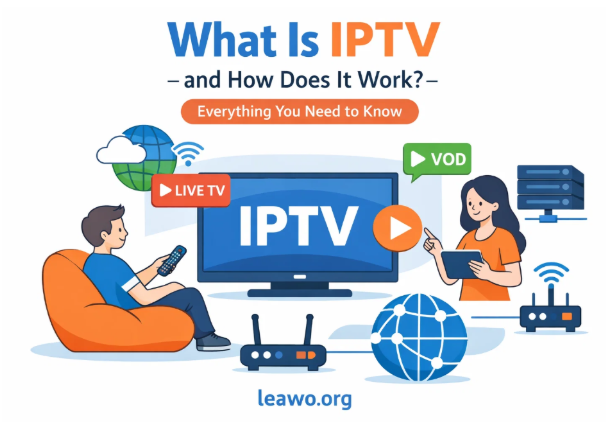
Television has changed a lot over the years. We moved from antennas to cable boxes. Now, a new way to watch TV is growing fast. This method uses the internet instead of cables or satellites. It offers more control and flexibility. Many people are switching to this modern approach. This guide will help you understand everything about IPTV.
What Is IPTV?
IPTV is a way to watch television through the internet. Instead of using traditional cable or satellite signals, it delivers TV shows through your internet connection. You watch content on demand or live. The video comes to your device through internet protocols. This technology makes TV more flexible. You can watch what you want, when you want. IPTV works on many devices like smart TVs, phones, and tablets.
What Does IPTV Stand For?
IPTV stands for Internet Protocol Television. The term breaks down simply. Internet Protocol refers to the rules that govern how data moves online. Television means the video content you watch. Together, IPTV describes TV delivered over internet networks. This differs from broadcast TV or cable systems. The internet protocol is the same technology that powers websites and email. IPTV uses this familiar technology to bring you entertainment.
How Does IPTV Work?
IPTV works by converting TV signals into digital data. This data travels through your internet connection. When you select a show, the IPTV service sends small packets of data to your device. Your device then reassembles these packets into video and audio. The process happens in real time. A special box or app decodes the data for viewing. Your internet speed affects the quality. Faster internet means better picture quality. The system works similar to streaming services like Disney Plus or other platforms.
Types of IPTV Services
There are three main types of IPTV services. Live television IPTV broadcasts shows as they happen. This is similar to traditional TV channels. Video on demand lets you choose from a library of content. You watch whenever you like. Time-shifted IPTV allows you to watch shows that aired recently. You can pause, rewind, or replay programs. Some services combine all three types. Each type serves different viewing habits. Live IPTV works great for sports and news. On-demand suits binge-watchers perfectly.
IPTV vs Cable TV vs Streaming Services
IPTV differs from cable TV in several ways. Cable uses physical cables to deliver channels. IPTV uses your internet connection instead. This makes IPTV more flexible. Streaming services like Netflix focus on on-demand content. IPTV often includes live channels too. Cable requires professional installation. IPTV usually just needs an internet connection. Streaming services work on any device easily. IPTV sometimes needs special equipment. Cable packages often include channels you never watch. IPTV lets you pick what you want. Streaming platforms like those offering Paramount Plus offline viewing provide different features than traditional IPTV.
Advantages and Disadvantages of IPTV
IPTV offers many benefits. You get more control over what you watch. The cost is often lower than cable. You can watch on multiple devices. Content libraries are usually large. Interactive features enhance your experience. However, IPTV has some downsides too. You need a stable internet connection. Slow internet causes buffering problems. Picture quality depends on your bandwidth. Some IPTV services lack local channels. Technical issues can interrupt viewing. Not all content is available in every region.
Devices That Support IPTV
Many devices support IPTV viewing. Smart TVs often have built-in IPTV apps. You can use streaming boxes like Roku or Fire TV. Android and Apple phones work perfectly. Tablets provide portable viewing options. Computers support IPTV through browsers or apps. Gaming consoles sometimes offer IPTV capabilities. Set-top boxes are made specifically for IPTV. MAG boxes are popular IPTV devices. Most modern devices can handle IPTV easily.
IPTV Requirements: What Do You Need?
Getting started with IPTV is simple. First, you need a reliable internet connection. At least 25 Mbps is recommended for HD content. You need a compatible device to watch on. This could be a smart TV or streaming box. An IPTV subscription from a provider is necessary. Some services require specific apps or software. A router that can handle streaming is important. Ethernet cables provide more stable connections than WiFi. Optional equipment includes external storage for recordings. Good bandwidth ensures smooth playback without interruptions.
Conclusion
IPTV represents the future of television viewing. It combines the best of live TV and on-demand content. The technology is simple to use once set up. Your internet connection becomes your TV cable. IPTV offers flexibility that traditional TV cannot match. You choose what to watch and when to watch it. The initial setup takes minimal effort. While it requires stable internet, the benefits are worth it. IPTV streaming gives you control over your entertainment. As internet speeds improve worldwide, IPTV will become even more popular. Consider trying IPTV if you want modern, flexible television.
