

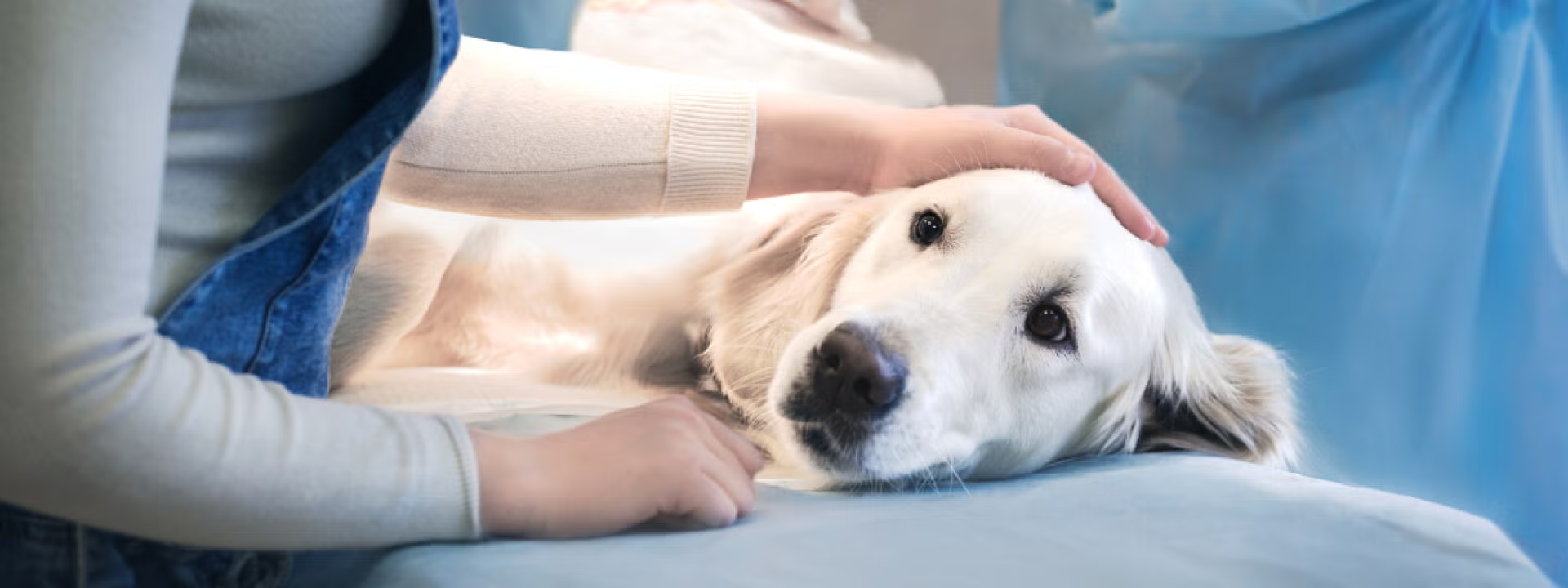
For many pet owners, the thought of their furry friend undergoing surgery can be stressful and emotional. Whether it’s a routine procedure like sterilisation or a more complex operation, the experience can feel daunting without the right support. That’s where a pets doctor Singapore plays an important role, ensuring every procedure is handled with care, precision, and compassion.
In Singapore, veterinary clinics are equipped with modern facilities and skilled professionals who prioritise your pet’s safety and comfort from start to finish. Understanding how your vet prepares for, performs, and monitors your pet through surgery can help ease your worries and build confidence in the process.
Common Types of Pet Surgeries in Singapore
Pet surgeries can vary from routine preventive procedures to complex, life-saving operations. A skilled pets doctor in Singapore is trained to perform a wide range of surgical treatments that help maintain your pet’s health, comfort, and overall quality of life. Here are some of the most common types of pet surgeries performed in Singapore:
- Sterilisation (Spaying/Neutering): One of the most common and recommended procedures to prevent unwanted litters, reduce roaming behaviour, and lower the risk of reproductive cancers.
- Dental Surgery: Includes tooth extractions, gum treatment, and oral cleaning. This is essential for pets suffering from severe tartar buildup, gingivitis, or oral infections.
- Lump or Tumour Removal: For growths or masses found on or beneath the skin that require examination or removal to prevent complications.
- Wound Repair and Abscess Drainage: Common for pets that sustain injuries, bites, or infections, ensuring proper healing and infection control.
- Orthopaedic Surgery: Addresses fractures, joint problems, or ligament tears, often helping pets regain movement and reduce pain.
Before any procedure, the pet’s doctor will assess your pet’s age, health condition, and risk factors to determine the safest surgical plan, ensuring every operation is performed with care, precision, and compassion.
Pre-Surgery Assessment and Preparation
Before any surgery, proper preparation is crucial to ensure your pet’s safety and a smooth recovery. This involves assessing health, planning anesthesia, and guiding owners on essential pre-surgery steps. Key aspects include:
-
Comprehensive Health Evaluation
Pets undergo a full physical examination, blood tests, and sometimes imaging (X-rays or ultrasound) to identify any underlying health issues that could affect surgery.
-
Fasting and Hydration
Pets are usually required to fast for a set period before surgery. Hydration is checked, and any pre-existing conditions, such as heart, liver, or kidney issues, are considered to reduce anesthesia risks.
-
Medication Review and Risk Assessment
The veterinary team reviews ongoing medications and discusses potential risks to ensure the surgical plan is safe and tailored to the pet’s needs.
-
Owner Instructions
Clear guidance is given on how to prepare pets on the day of surgery, including what to bring and steps to follow, which helps minimize stress and complications.
This structured preparation allows the surgical team to provide safe, effective care while supporting a smoother recovery for your pet.
Anaesthesia and Monitoring During Surgery
Administering anesthesia is one of the most critical aspects of any surgical procedure. Modern veterinary clinics use carefully selected anesthetic agents tailored to each pet’s age, size, and health condition. Before surgery begins, pets are closely monitored to ensure vital signs remain stable throughout the procedure. This continuous monitoring helps the veterinary team respond immediately to any changes, keeping the pet safe at all times.
In addition to advanced equipment, trained veterinary nurses assist the surgeon by observing the pet’s condition and managing anesthesia levels. Pain management is integrated into the process, both during and after surgery, to ensure comfort.
Post-Surgery Care and Pain Management
After surgery, pets need careful monitoring to ensure they recover safely. The veterinary team checks their vital signs, provides pain relief, and ensures they stay comfortable and hydrated. Wounds are dressed properly, and any necessary medications are given to prevent infection and manage pain.
Once pets are stable, they are usually discharged with clear instructions for home care. This includes guidance on feeding, rest, and monitoring for any unusual behaviour. Proper post-surgery care helps pets heal faster and reduces the risk of complications, making recovery as smooth and comfortable as possible.
Home Recovery Tips for Pet Owners
Once your pet is home, creating a calm and safe environment is essential for a smooth recovery. Keep them indoors, limit physical activity, and prevent licking or scratching of surgical wounds using an e-collar if needed. Monitor their appetite, bathroom habits, and behaviour closely, and follow the medication schedule exactly as prescribed. Regular check-ins with the veterinary clinic, including follow-up appointments, help ensure your pet is healing properly and allow any concerns to be addressed promptly.
Conclusion
Surgery can be a stressful experience for both pets and their owners, but with careful planning, skilled care, and proper aftercare, most pets recover safely and comfortably. Partnering with a compassionate and experienced veterinary team ensures your pet receives the best care from pre-surgery assessment to full recovery. For professional advice, surgical care, and comprehensive health services for your pets, contact:
Dr Paws Vet Care – Pets/Pocket Pets Health Checks, Vaccinations and Surgeries
77 Lucky Heights, Lucky Court (off Upper East Coast Road), Singapore 467626
Phone: +65 6243 4668
https://drpawsvetcare.com/
