

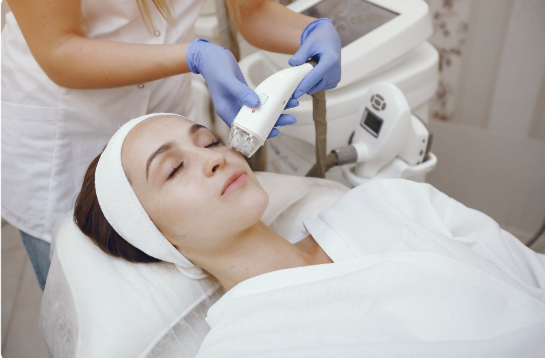
HIFU, or High-Intensity Focused Ultrasound, is a non-invasive cosmetic treatment designed to lift, tighten, and rejuvenate the skin. Unlike surgical procedures, HIFU uses focused ultrasound energy to target the deeper layers of the skin without cutting or harming the surface. This energy stimulates collagen production, which gradually improves the skin’s elasticity, reduces sagging, and smooths out fine lines and wrinkles.
Over the past few years, HIFU has gained popularity as a non-surgical alternative to facelifts and other invasive procedures. The appeal lies in its ability to deliver visible results without downtime, scarring, or significant recovery periods. Many first-time patients consider which areas of our face and neck can be treated with HIFU because it is minimally invasive, relatively safe, and effective when performed by trained professionals.
How HIFU Works
HIFU technology relies on focused ultrasound waves that penetrate deep beneath the skin to reach the foundational layer known as the SMAS (superficial musculoaponeurotic system). This layer is typically treated during surgical facelifts. By delivering precise energy to this area, HIFU triggers the skin’s natural healing response, promoting collagen production and tissue regeneration.
The process is gradual. After a session, patients may notice subtle lifting and tightening immediately, but the full effects usually develop over two to three months as the collagen rebuilds and strengthens. The results can last up to one to two years, depending on age, skin condition, lifestyle, and the number of sessions performed.
Benefits of HIFU
HIFU offers a range of benefits that make it attractive to those seeking non-surgical skin rejuvenation. One of the main advantages is that it is non-invasive. Patients do not require anaesthesia or surgical incisions, significantly reducing the risk of complications.
Another benefit is the natural-looking results. Since the treatment stimulates the skin’s own collagen production, the improvement in skin tone and tightness occurs gradually, avoiding the “overdone” appearance sometimes associated with surgical procedures.
HIFU can also target multiple areas simultaneously, including the forehead, eyebrows, cheeks, jawline, and neck. This makes it a versatile option for overall facial rejuvenation. For patients concerned about fine lines, sagging skin, or early signs of ageing, HIFU provides a convenient solution with minimal disruption to daily activities.
Risks and Considerations
While HIFU is generally safe for most individuals, it is not entirely risk-free. Some patients may experience temporary redness, swelling, or mild discomfort during or after the procedure. These side effects typically resolve within a few hours to a few days. Rarely, bruising, numbness, or tingling may occur, usually subsiding over time.
HIFU is not suitable for everyone. Individuals with severe skin laxity, infections, or certain medical conditions may not be ideal candidates. A consultation with a trained professional is essential to assess suitability and determine the most effective treatment plan.
Expected Results and What to Realistically Expect
Patients often ask how soon they will see results and what to expect after a HIFU session. Initial lifting and tightening may be noticeable immediately following treatment, but these effects are subtle. Maximum improvement typically appears two to three months post-treatment as collagen gradually rebuilds.
Results vary depending on individual skin type, age, lifestyle, and the areas treated. While HIFU can deliver impressive non-surgical lifting and tightening, it may not replace a surgical facelift in cases of advanced skin sagging. Some patients may benefit from multiple sessions to achieve optimal results.
Aftercare Tips for First-Time Patients
Proper aftercare is important to maximise the benefits of HIFU. Patients should avoid excessive sun exposure, wear sunscreen regularly, and maintain a healthy skincare routine to protect and nourish the skin. Staying hydrated, getting adequate sleep, and following any post-treatment instructions provided by the practitioner will support the healing process and enhance results.
It is also advisable to monitor the treated areas for any unusual reactions. While most side effects are mild and temporary, contacting your practitioner for any concerns ensures a safe and effective experience.
Choosing a Professional for HIFU
The success of HIFU depends heavily on the skill and experience of the practitioner. Choosing a reputable clinic with trained professionals is critical. Look for providers who offer consultations, explain the procedure clearly, and provide realistic expectations. Reviews, before-and-after photos, and certifications can help gauge the quality of service and professionalism.
A qualified practitioner will customise the treatment to suit your skin type, facial structure, and aesthetic goals. They will also ensure safety and comfort throughout the procedure, enhancing both effectiveness and patient satisfaction.
Conclusion
HIFU is a safe and effective non-invasive option for individuals seeking facial rejuvenation without surgery. Its ability to lift, tighten, and improve skin texture gradually makes it appealing to first-time patients and those wary of surgical procedures. While results vary, proper selection of a skilled practitioner, realistic expectations, and attentive aftercare can deliver natural, long-lasting improvements. With growing popularity and technological advancements, HIFU continues to be a valuable addition to modern aesthetic treatments, providing a convenient and efficient solution for those looking to enhance their appearance.
FAQs
Is HIFU painful?
Most patients experience mild discomfort during the procedure, often described as tingling or warmth. Topical numbing creams may be used to enhance comfort.
How long does a HIFU session take?
Sessions typically last between 30 to 90 minutes, depending on the areas being treated.
How many sessions are needed for optimal results?
Many patients achieve satisfactory results with a single session, but additional treatments may be recommended based on skin condition and desired outcome.
Are the results permanent?
HIFU stimulates collagen, which naturally diminishes over time. Results can last one to two years, but ongoing skin care and lifestyle factors influence longevity.
